
A Path to Fairer Electricity Bills: The DOE’s New Initiative
Imagine opening your electricity bill and feeling a sigh of relief rather than a jolt of anxiety. Sounds too good to be true? Well, the Department of Energy (DOE) is working hard to make that a reality for all electric consumers in the Philippines.
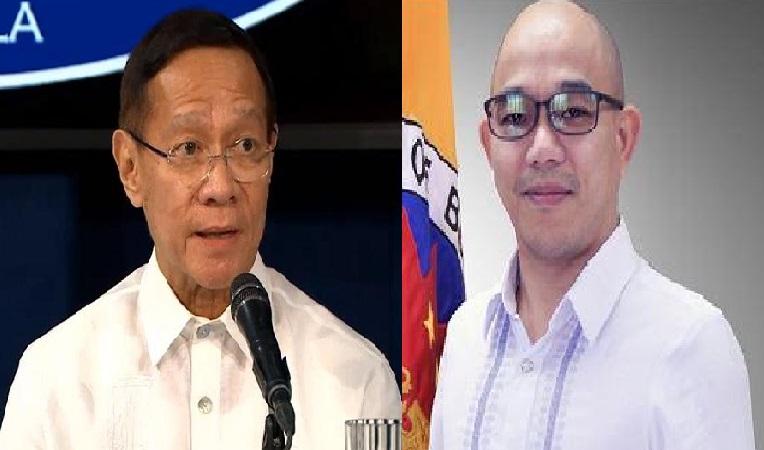
Recently, the DOE announced a major initiative that aims to eliminate non-technical system loss charges—an estimated P7.5 billion in funding will be required to pull this off. During a press briefing, DOE Undersecretary Rowena Guevarra stressed the urgency, saying, “We need more than P7 billion to start this mission.”
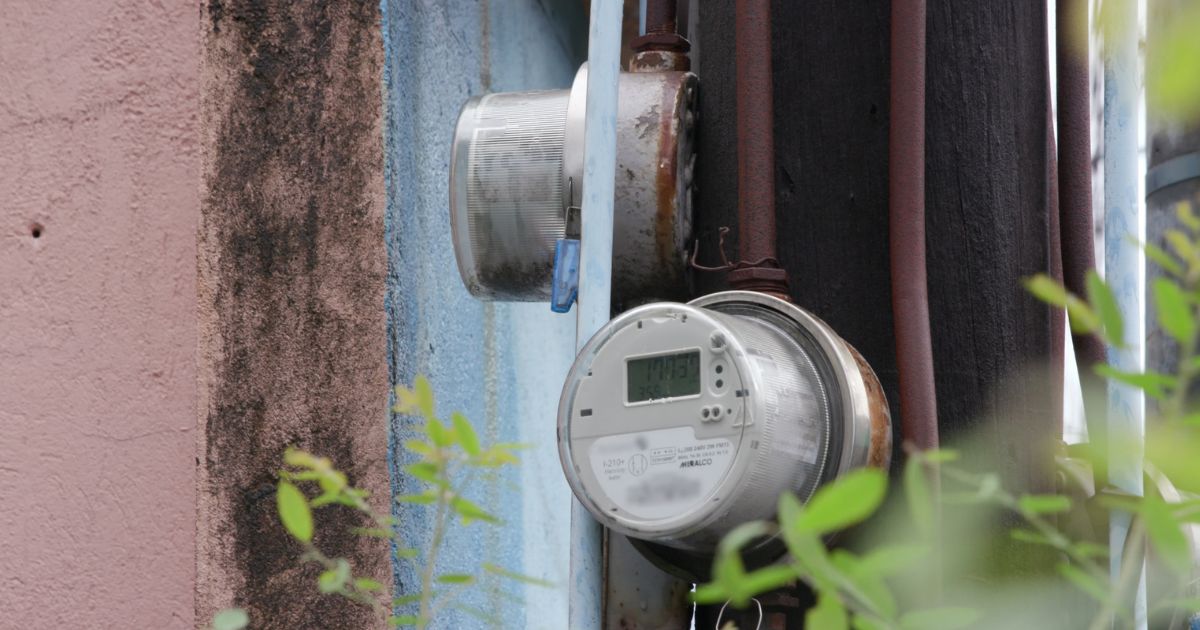
So, what are non-technical system losses? They refer to electricity lost during distribution, not because of technical failures, but due to things like electricity theft and illegal power connections. These losses aren’t just numbers on a page; they hit consumers right in their pockets.
To tackle this pressing issue, the DOE, along with the National Electrification Administration (NEA), has laid out a structured plan. The journey towards a fairer billing system is divided into four stages:
1. First Stage: Remove 25% of non-technical losses.
2. Second Stage: Eliminate 50% of these losses.
3. Third Stage: Say goodbye to 75% of them.
4. Final Stage: Achieve a complete removal of 100% of non-technical system losses.
It’s an ambitious journey, but one that can reshape how we view our electric bills.
Addressing the Challenge Head-On
Undersecretary Guevarra highlighted the need for significant reforms to combat the ongoing theft of electricity. “We have households that allow illegal connections, or ‘jumpers’. These actions hurt all consumers,” she explained. It’s a stark reality, and many may not realize that turning a blind eye to such practices is like enabling theft from the entire community.
To combat this, the DOE is ramping up its anti-pilferage measures, aiming to educate consumers about the ramifications of their choices. They are also working on improving billing and collection efficiency. “In some areas, not everyone pays their bills due to weak collection mechanisms,” Guevarra noted. This initiative aims not just to place the onus on consumers, but to create a structured, fair system that serves everyone.
Calling for Community Involvement
The DOE is encouraging the public to become vigilant against electricity theft. Through the eGOVPH mobile platform, you can report any suspicious activity, contributing to a collective effort to keep electricity theft at bay.
In January 2027, the NEA plans to start rolling out this gradual removal of non-technical system loss charges, but the journey won’t be easy. The DOE is still in search of the necessary P7.5 billion budget. Secretary Sharon Garin expressed optimism, saying, “We are exploring different funding sources, including national government funds and possible loans.”
It’s a big task, but the DOE is dedicated to seeing it through. The estimated timeline for this ambitious plan? About a year. “This is just the beginning,” Garin affirmed.
A Future Filled with Possibilities
What does this mean for you, the consumer? Less burden on your electricity bill and a fairer distribution of costs. It’s not just about figures on a balance sheet; it’s about helping families thrive, alleviating financial stress, and promoting a culture of honesty and accountability in energy consumption.
As we take this journey together, each decision counts—from reporting theft to being proactive in community awareness. The DOE’s initiative isn’t just a program; it’s a call to arms for all consumers to unite and contribute to a brighter, more equitable future.
Stay tuned, and let’s support this transformative journey towards transparent and affordable electricity for all. Together, we can make a difference.