


Understanding the Peso’s Diminishing Value: A Call to Awareness
In a striking development that many Filipinos are feeling acutely in their wallets, the buying power of the Philippine peso has dropped to its lowest level in eight years. This unsettling trend comes alongside a surge in inflation, which has reached its fastest pace in three years.
What Does This Mean for You?
Just last month, global fuel prices took a hit, sending shockwaves through the costs of food, everyday commodities, and utilities throughout the country. These aren’t just numbers on a sheet; they’re realities influencing the lives of families, businesses, and everyone in between.
Claire Dennis Mapa, the National Statistician and head of the Philippine Statistics Authority (PSA), shared the numbers that leave little room for comfort. Imagine this: what P1 could buy back in 2018 is now the equivalent of just 73 centavos as of April 2026. Yes, you read that right! A hundred pesos back then would now feel like only seventy-three pesos in today’s purchasing power.
The Hard Truth of Inflation
When inflation rises, it impacts how much we can actually buy with our money. Mapa has made it clear: “When inflation increases, the consequence is the purchasing power of the peso declines.” This isn’t just a statistic—it’s a stark reminder that the value of our currency doesn’t always keep pace with our needs and aspirations.
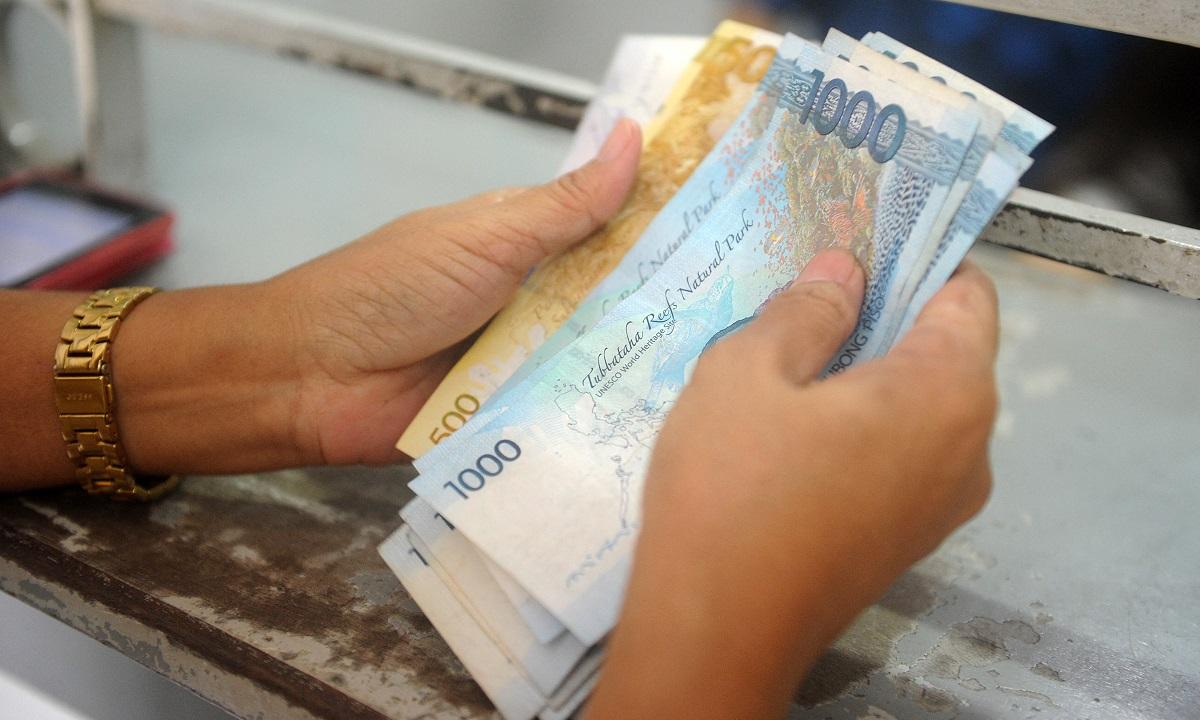
For instance, that P1,000 you might have felt was a decent amount eight years ago now translates to only P730 in real value. Think about it: how many fewer groceries can you buy? How much less can you save for a family outing or a much-needed vacation?
The Bigger Picture
The PSA defines the purchasing power of the peso as a measure of the “real value” of our currency during a specific period, relative to a base year—in this case, 2018. This metric shows us just how much goods and services we can acquire with our money over time. Unfortunately, as the peso’s purchasing power diminishes, consumers find themselves in a tighter spot, struggling to make ends meet.
How is this computed, you might wonder? It’s based on a special formula: take 1 divided by the consumer price index and multiply by 100. The lower the resulting number, the more we feel the pinch.
A Call to Action
In these challenging times, it’s crucial to be aware of how these economic shifts affect our daily lives. We need to prioritize budgeting, explore cost-effective alternatives, and even seek community support where necessary.
As the landscape of our economy shifts beneath our feet, our resilience as a nation will be tested. Let’s work together to stay informed and navigate these turbulent waters with wisdom and solidarity. Your awareness today can lead to more informed choices tomorrow—choices that protect not only your wallet but also your future.
In the end, it’s vital to remember that behind every statistic is a story. It’s about you, your family, and your hopes for a better tomorrow. Let’s keep those stories alive as we face these economic challenges together.