

The Future of Agriculture in the Philippines: President Marcos’s Vision for Change
In his impactful 2025 State of the Nation Address, President Ferdinand “Bongbong” Marcos Jr. illuminated a crucial area of focus for his administration: agricultural development. With heartfelt conviction, he reaffirmed a pivotal campaign promise: “To those asking, ‘Where is the P20-per-kilo rice?’ Here is my reply. We have proven that we can achieve P20 rice without shortchanging our farmers.”
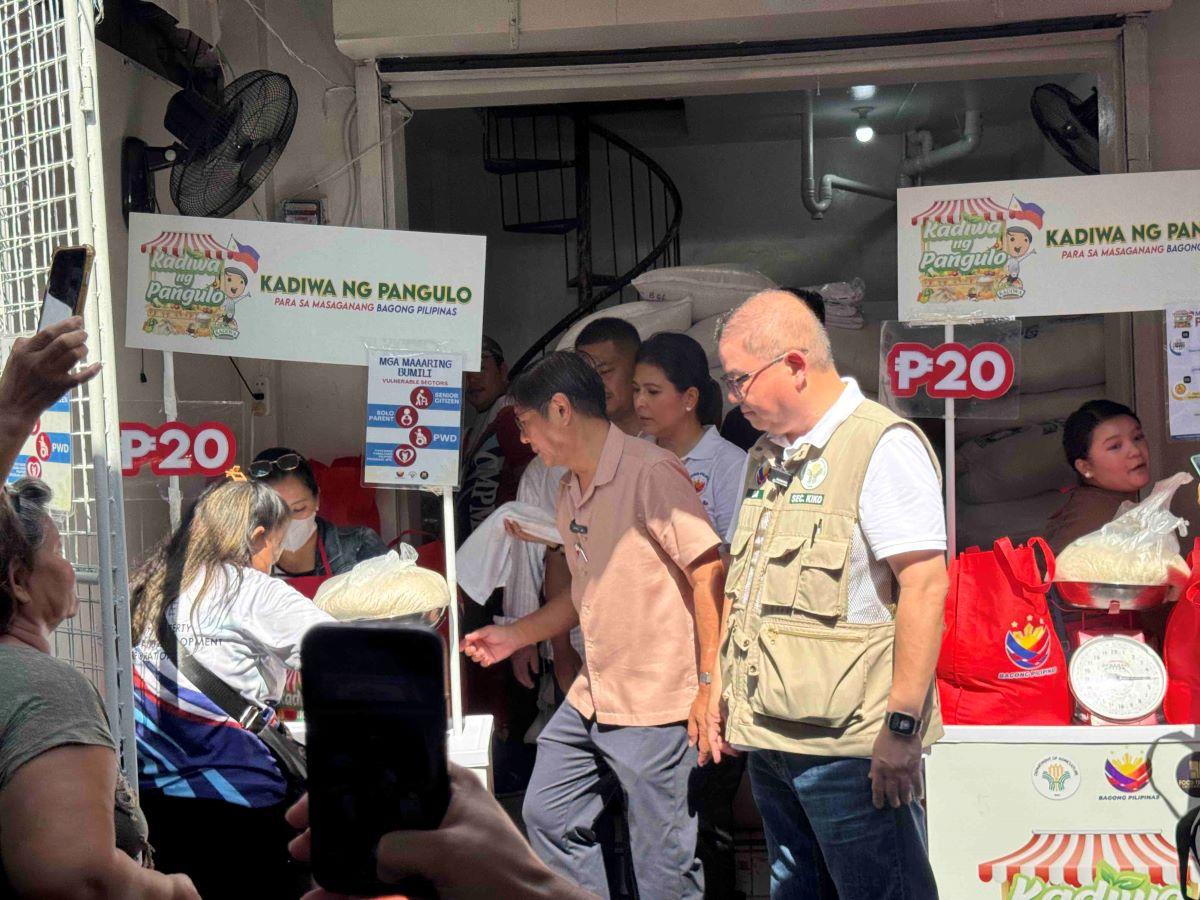
This commitment to affordable rice isn’t just a statement; it’s a promise to every Filipino. Marcos pledged a monumental investment of P113 billion to strengthen the Department of Agriculture’s efforts, launching a network of Kadiwa stores across the country. Imagine a place where nutritious staples are accessible to those who need them most—this initiative aims to make that a reality.
Since its inception in May 2025, the P20-per-kilo rice program has showcased incredible results. More than 121,271 metric tons of rice have been distributed, touching the lives of an estimated 12.1 million beneficiaries. This project targets vulnerable communities, including senior citizens, people with disabilities, solo parents, and minimum wage earners, providing relief amid rising living costs.
The excitement doesn’t end there. The government has also tackled soaring pork prices, a pressing issue linked to declining production due to the African Swine Fever outbreak. President Marcos made it clear: “As the primary solution to high pork prices, we have focused on strengthening local production. We are distributing piglets and building biosecure facilities.” This grassroots approach aims to empower local farmers and ensure a stable, affordable supply of pork.
However, it’s not all smooth sailing. Statistics from the Philippine Statistics Authority (PSA) reveal that livestock production has faced challenges, with a 2.2% decline in 2025. Prices have fluctuated, but there’s hope on the horizon. Although the average cost of fresh pork has dipped, the effort to vaccinate hogs against ASF is a critical step toward bolstering production.
Coconuts are also close to the President’s heart. Recognizing the livelihoods of millions who depend on coconut trees, he announced plans to plant 15 million high-quality coconut seedlings this year, with a vision to reach 100 million across the Philippines. Such ambition is not just about trees; it’s about nurturing lives and creating sustainable futures.
Yet, challenges remain. Jayson Cainglet, executive director of the Samahang Industriya ng Agrikultura (SINAG), emphasized the need for careful attention to local production against an increasingly liberalized trade environment. “More imports do not automatically translate into lower retail prices,” he cautioned. Instead, he advocates for restoring confidence in local farmers and supporting domestic production.
Echoing this sentiment, Danilo Fausto, president of the Philippine Chamber of Agriculture and Food Inc. (PCAFI), called for a transparent process in adjusting tariffs to bolster local agriculture. He believes that with the right support, Filipino farmers can thrive and secure a brighter future for the agricultural sector.
The Department of Agriculture is not resting on its laurels, aiming for a P250 billion budget for 2027—more than the previous year’s allocation. This investment is geared toward modernizing farms, improving irrigation, and harnessing technology to streamline production and reduce food costs.
Secretary Francisco Tiu Laurel Jr. eloquently stated, “Investment is where reform begins. It buys tractors instead of excuses, it builds irrigation instead of promises.” His unwavering commitment to revitalizing the agricultural sector shines through the projected 2.6% growth in agriculture and fisheries in 2025—the fastest growth we’ve seen in eight years.
As the Philippines charts its path forward, the future of agriculture remains a vital topic. With the collective effort of our leaders and communities, the dream of sustainable food security could soon be within reach. It’s a journey marked by hope, resilience, and a commitment to nurturing the land—and the people who call it home.