


A Tipping Point in the Middle East: Oil Prices, Tensions, and the Search for Peace
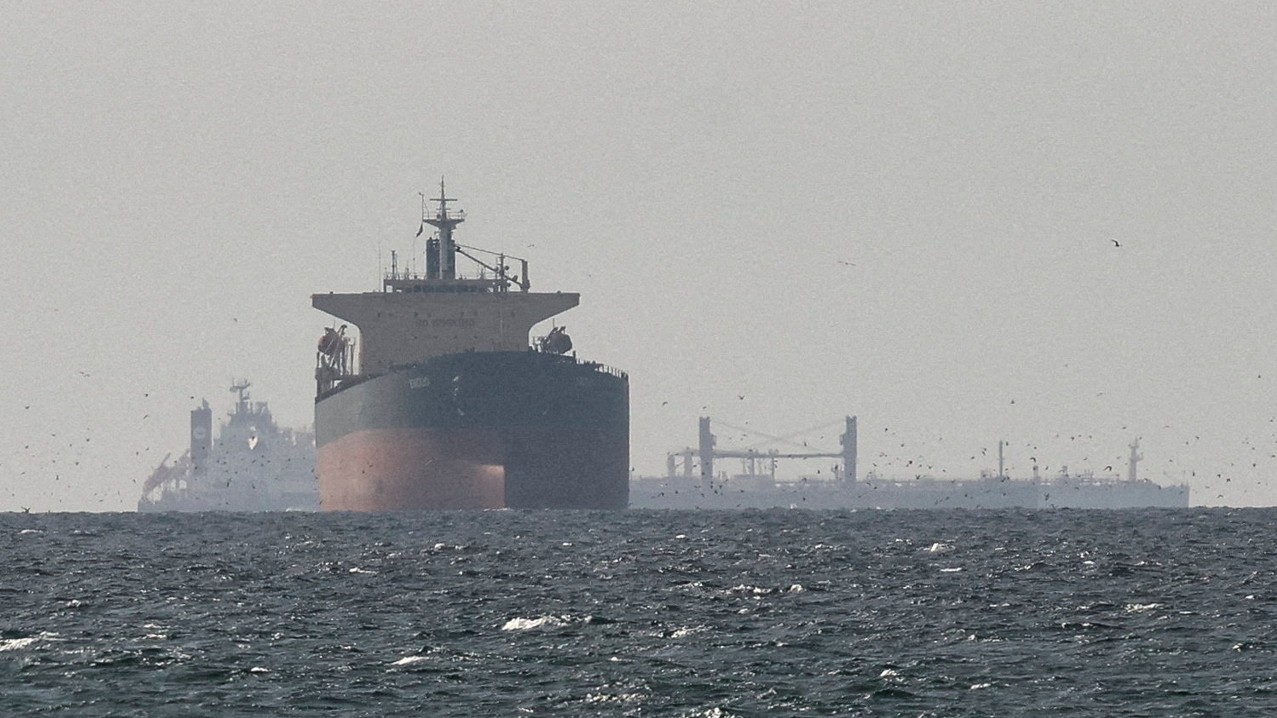
DUBAI/WASHINGTON — On a monumental Thursday, oil prices dipped back to levels seen before the recent conflict as the tide of geopolitics shifted. The United States announced that shipping flows through the crucial Strait of Hormuz were normalizing. This came after U.S. Secretary of Energy, Chris Wright, revealed that over 20 million barrels of oil passed through the strait in just one day.
But the backdrop tells a more complex story. Since the U.S. and Israel launched strikes on Iran on February 28, the region has been unstable. Iran had seized control of this vital shipping route, creating ripples in global energy markets and throwing economies into disarray. Although oil traffic is recovering, Iran’s Revolutionary Guards made it clear: they intend to maintain authority over the strait. They warned ships against deviating from designated routes, dismissing new shipping lanes announced by Oman as “unacceptable and dangerous.”
A Unified Front Needed
As tensions rise, U.S. Secretary of State, Marco Rubio, sought to ease the concerns of Gulf allies wary of a proposed deal with Tehran. Meeting in Bahrain with Arab foreign ministers, he candidly acknowledged their serious apprehensions. After all, if Iran resorts to threatening ships in the strait, it could spark severe consequences. “No country on Earth has the right to charge for the use of international waterways,” Rubio emphasized, reassuring that tolls would not be part of any agreement.
The foreign minister of Oman, Badr bin Hamad Al Busaid, echoed Rubio’s sentiments, underscoring that future shipping arrangements should remain toll-free.
Political Upheaval Back Home
Yet, amidst this international dialogue, U.S. President Donald Trump grapples with mounting criticism at home. In a heated discussion with Republican Senator Bill Cassidy, Trump faced pushback over the framework deal he signed with Iran, which critics argue falls short of its initial objectives. “It doesn’t appear that this is going the way we were told,” Cassidy remarked, voicing the frustrations of many in his party.
As Republican leaders sidestepped a resolution to end hostilities with Iran, the Senate voted to continue military action, sending a signal to Tehran. “This vote puts Iran on notice,” Trump declared on social media, hoping to bolster his position.
Public Opinion and Regional Wariness
Yet, public sentiment tells a different story. A recent Reuters/Ipsos poll revealed that only 25% of Americans believe the war has been worth its costs, an undeniable indication of growing discontent.
The intricacies of the proposed deal have itself been met with skepticism, particularly in the Middle East. Many nations, which suffered attacks from Iran, view the deal as excessively lenient. Concerns arise over a potential $300 billion reconstruction fund that could inadvertently strengthen Iran’s military capabilities.
While the deal stipulates a 60-day window for free shipping through the Strait of Hormuz, Tehran’s suggestion of possible tolls afterward signals potential for further conflict. Washington, along with its Gulf allies, adamantly opposes such fees.
The Shadow of Conflict in Lebanon
Compounding these issues, tensions in Lebanon flare. Israeli and Lebanese officials denied reports of any Israeli troop withdrawals amid ongoing battles with Hezbollah, a group that attacked Israel in support of Iran. The instability in Lebanon complicates the negotiations and underscores the urgency for a lasting peace.
The road to stabilization is fraught with obstacles. The proposed agreement addresses urgent matters but leaves many ambiguities, including key issues surrounding Iran’s nuclear ambitions and ballistic missile program.
Conclusion
As the world watches, the situation remains tense. The quest for peace is layered with emotion, national interests, and historical grievances. Everyone involved knows that a delicate balance must be maintained, lest the specter of conflict re-emerges.
In these pivotal days, the hope is that diplomatic efforts will lead to genuine reconciliation, ushering in a future where stability replaces strife in this vital region.