Philippines Takes a Stand Against Forced Labor in Trade
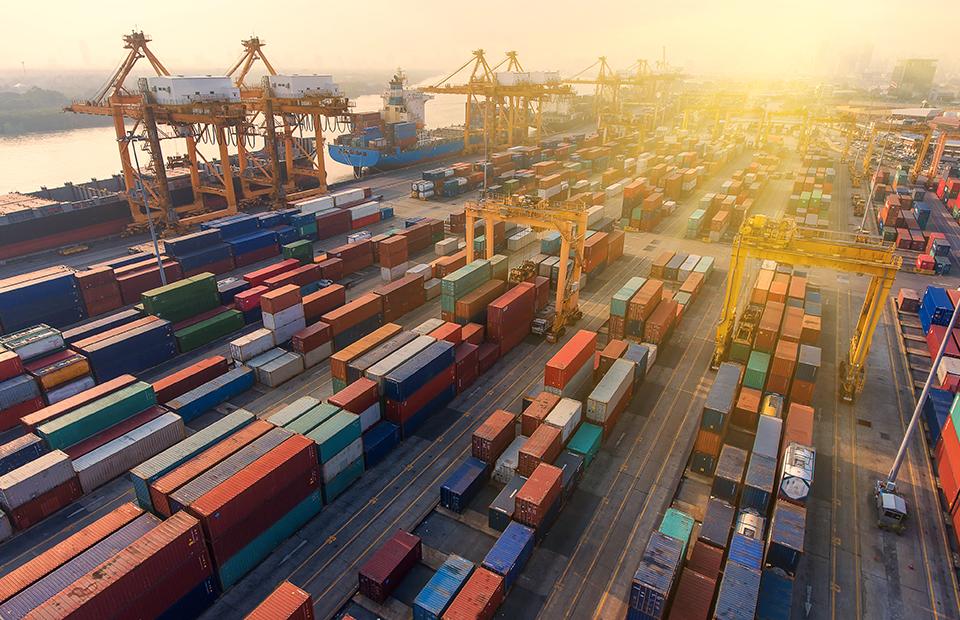
In a significant move towards ethical trade, the Philippine government is taking decisive action. On a recent Friday, the Department of Trade and Industry (DTI), in collaboration with the Department of Labor and Employment (DOLE) and the Department of Finance (DOF), announced a new framework aimed at curbing the importation of goods produced through forced labor.
This decision follows a stern warning from the Office of the United States Trade Representative (USTR). The USTR informed the Philippines that it would face a hefty 12.5% tariff on goods entering the U.S., due to the country’s failure to effectively enforce prohibitions against imports made with forced labor. This was not just a slap on the wrist; it was a wake-up call for the nation.
The new tariffs, reflecting a wider international concern, will apply to 99.4% of U.S. imports. While some essential products, such as oil, gas, and certain food items, are exempt, the impact on the Philippine economy is poised to be profound. Just last week, the U.S. announced these changes, citing a lack of enforcement among numerous trading partners, including the European Union and China.
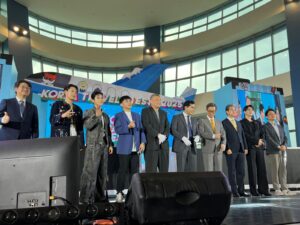
In an effort to regain credibility and show commitment, the DTI has signed a Joint Administrative Order (JAO) with DOF and DOLE. This crucial step sets forth the rules for investigating and prohibiting the import of goods produced wholly or partly through forced labor. In doing so, it reinforces the Philippines’ dedication to fair trade practices and workers’ rights.
DTI has established an Inter-Agency Committee, with the DTI at the helm. This committee includes representatives from the DOLE, DOF, Bureau of Customs (BOC), Board of Investments (BOI), and the Philippine Economic Zone Authority (PEZA). Their responsibility? To evaluate complaints, investigate goods suspected of forced labor, and recommend actions to appropriate authorities.
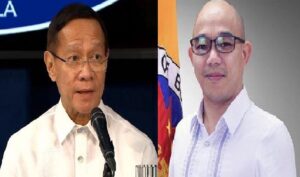
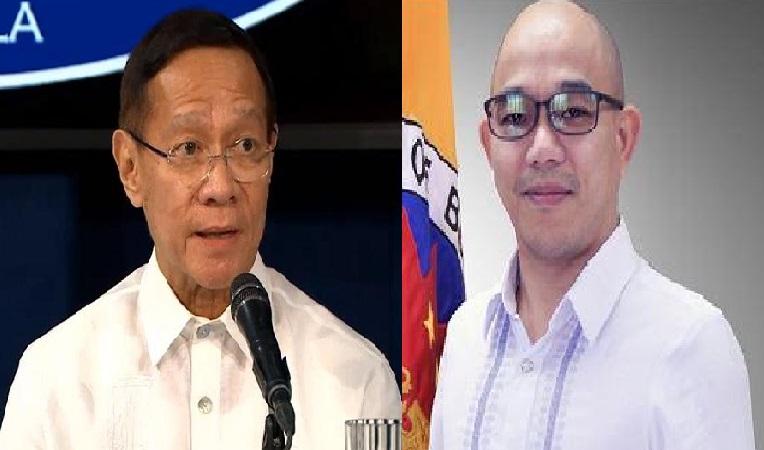
Trade Secretary Cristina Roque passionately stated, “As businesses and consumers place greater value on ethical sourcing and transparent supply chains, the Philippines must ensure that our market supports responsible business conduct.” This isn’t just about compliance; it’s about building trust. By prohibiting imports produced through forced labor, the Philippines is sending a powerful message to investors and trading partners: we are committed to sustainable, values-driven growth.
Labor Secretary Francis Tolentino echoed this sentiment, reminding us, “No worker should suffer exploitation for goods to become cheaper or more competitive.” His assurance that this JAO will protect Filipino workers and businesses shows a compassionate approach to trade policy, one that upholds human dignity and creates a level playing field for all.
Finance Secretary Frederick Go highlighted the importance of enforcement. “Through the Bureau of Customs and close coordination with partner agencies, we will ensure that credible findings of forced labor lead to appropriate actions.” This commitment to safeguarding the Philippine market reinforces the nation’s standards and values.
Under the JAO, the Bureau of Customs is tasked with acting on committee findings and implementing measures to prevent the importation of goods linked to forced labor. This comprehensive approach not only aligns with international labor conventions but also establishes a robust mechanism for addressing this critical issue.
In a world where ethical sourcing is paramount, the Philippines is making its intentions clear. By standing up against forced labor, the nation is not just protecting its own workers but also reinforcing a global movement towards fair trade. It’s a step forward—one that prioritizes human dignity and paves the way for a more compassionate economy.