


Landmark Shift in Mauritius: Marital Rape Criminalized
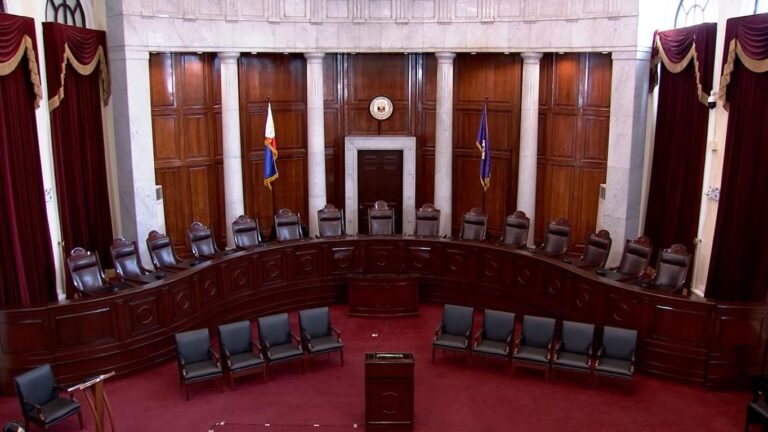
In a historic moment for women’s rights, lawmakers in Mauritius have voted to criminalize marital rape, dismantling a colonial-era statute that had long overlooked the rights of women. Imagine the mix of emotions that swept through the assembly when this pivotal law was passed on Tuesday. Finally, the island nation is taking a significant step towards justice for all.
Under the newly enacted legislation, anyone convicted of marital rape could face prison sentences ranging from 10 to an astonishing 45 years. This isn’t just a change in the law; it’s a bold affirmation that “no” means “no,” regardless of marital status. The law explicitly states that it is not a defense for someone charged with rape to claim they were married to the victim at the time.
The announcement has resonated deeply in a country where official records reveal a staggering 86.6% of domestic violence victims are women. This law signals a profound transformation in how society perceives domestic violence.
Attorney General Gavin Glover spoke passionately in parliament, emphasizing that domestic violence must be treated as a grave offense, rather than a private matter to handle behind closed doors. With this shift, the government sends a clear message: silencing the voices of victims is no longer an option.
But the reforms don’t stop with marital rape. The new legislation also addresses severe offenses like murder or attempted murder against a spouse, imposing penalties that range from 10 years to life in prison. This broader framework aims to protect victims and hold perpetrators accountable.
As the proposed law awaits the president’s signature, expected soon upon publication in the official gazette, voices of support echo throughout the country. Foreign Minister Ritish Ramful articulated the courage it takes to enact this legislation, especially amid cultural pressures that still linger. “This reform shakes certain traditional conceptions of marriage, where wives are seen as property,” he stated, highlighting the seismic shift in societal attitudes.
It’s important to note that Mauritius joins a select group; only 21 of Africa’s 55 countries have explicitly criminalized marital rape. According to the women’s rights NGO Equality Now, many nations remain hesitant to tackle this issue, often treating perpetrators with undue leniency within their legal systems.
Jean-Paul Murunga, Equality Now’s associate director, shared his thoughts on the significance of this law. “What happened in Mauritius is a very good step,” he remarked, recognizing the groundbreaking nature of this decision.
This moment marks a turning tide for women’s rights in Mauritius—a new dawn where the echoes of the past are replaced by the promise of justice, safety, and empowerment for every woman. As this law takes effect, it not only transforms legal precedents but also signals to victims that they are seen, heard, and worthy of protection. The journey toward justice for women in Mauritius has only just begun, but with this landmark reform, hope shines brighter than ever.