


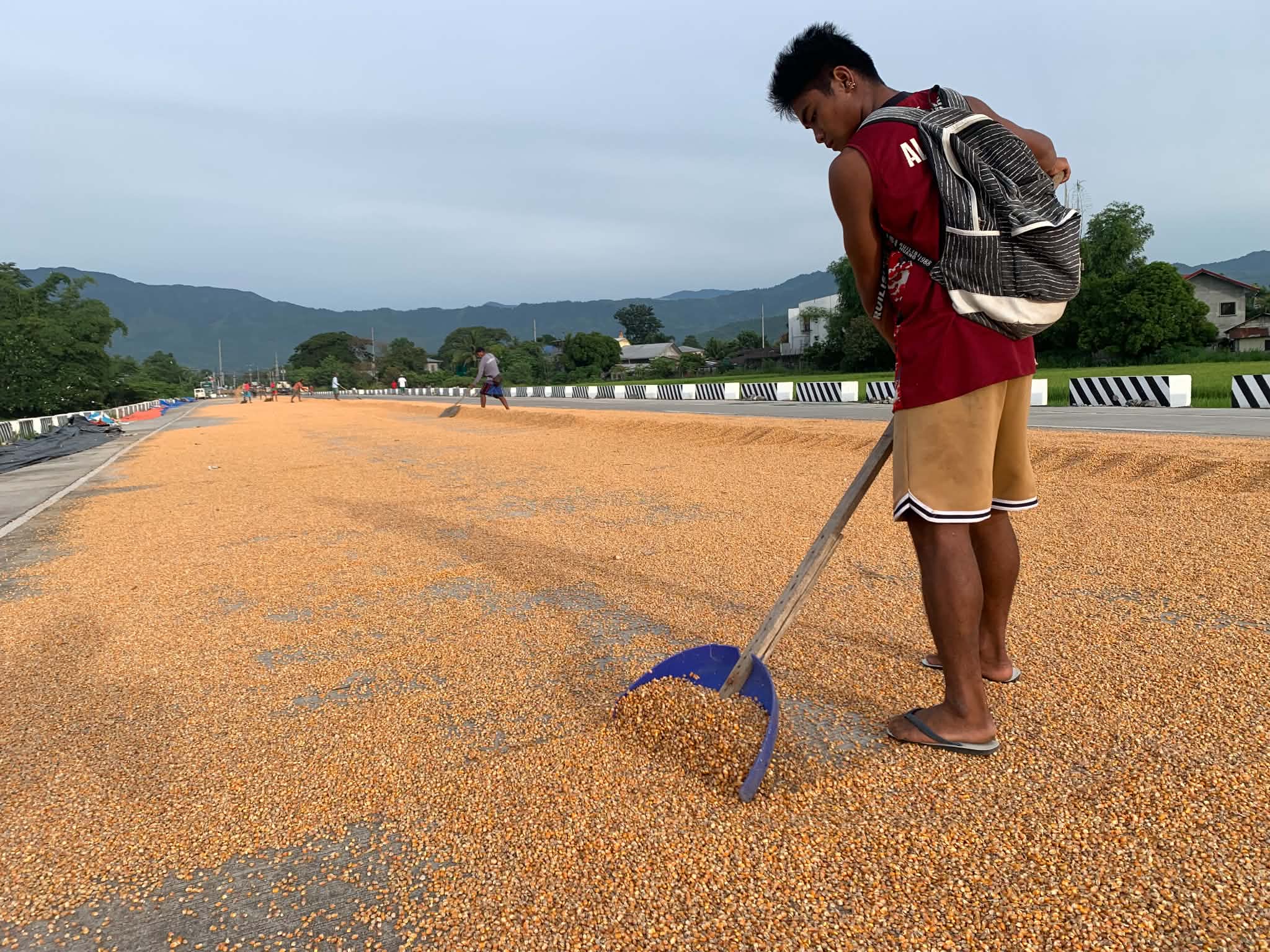
Title: A Shifting Landscape for Corn in the Philippines: What It Means for Farmers and Consumers
In a significant move, President Ferdinand “Bongbong” Marcos Jr. has raised the country’s corn import quota under the Minimum Access Volume (MAV) scheme. The quota has jumped from 220,000 metric tons (MT) to a hefty 500,000 MT. This decision, made official through Executive Order No. 129 on October 26, aims to tackle a looming supply shortfall of yellow corn, projected to hit around 1.422 million MT between March and December of 2026.
But is this the solution we need? While the government believes it will help stabilize supplies and keep prices in check, it has sparked serious concerns among local farmers.
The Heart of the Matter: Food Stability and Inflation
Corn is a crucial ingredient in animal feed, especially for hogs and poultry. As we know, rising feed costs can lead to skyrocketing prices for meat and poultry products – a situation that could further strain families already grappling with inflation. The Executive Order emphasizes the urgent need to ensure a steady, reliable corn supply for industries reliant on livestock and poultry.
“Inadequate domestic corn supply could drive up feed costs and, consequently, inflate production costs,” the order warned. This isn’t just a matter of supply and demand; it’s about ensuring that families can afford the basics.
Concerns from the Agricultural Community
Despite the government’s intentions, agricultural groups are skeptical. The Samahang Industriya ng Agrikultura (SINAG) argues that increasing imports might lead to an oversupply that undermines locally grown corn, driving farmers’ profits down. They question whether the lowered import tariffs will genuinely translate to savings for consumers or simply benefit large importers.
As if this uncertainty wasn’t enough, potential risks like El Niño and geopolitical tensions in the Middle East loom over corn supply, making this situation even more fragile. The ongoing conversation about how these expanding quotas will affect local farmers raises a big question: will it help the consumers, or will it hurt the backbone of our agricultural sector?
Next Steps: Ensuring Fair Distribution
The government acknowledges the complexities involved. To ensure the fair and transparent distribution of the additional import quota, the MAV Management Committee has been tasked with formulating guidelines within 30 days of the order’s effectivity. This move is essential to foster trust and collaboration among all stakeholders.
As we navigate this challenging landscape, it’s essential to remember the human element behind these numbers—the farmers who work hard every day to provide for us, the families who rely on affordable food, and the industry workers facing uncertainty.
It’s a delicate balance. The decisions made in the coming weeks and months will not only shape the agricultural landscape but will also impact the plates of countless families across the Philippines.
Stay Connected
For real-time updates on this unfolding story and more developments in the Philippines, stay connected with us. Your awareness makes a difference as we all traverse this intricate web of agriculture, economy, and community.
Together, let’s ensure our voices are heard, and our needs are prioritized. After all, it’s our collective future at stake.