


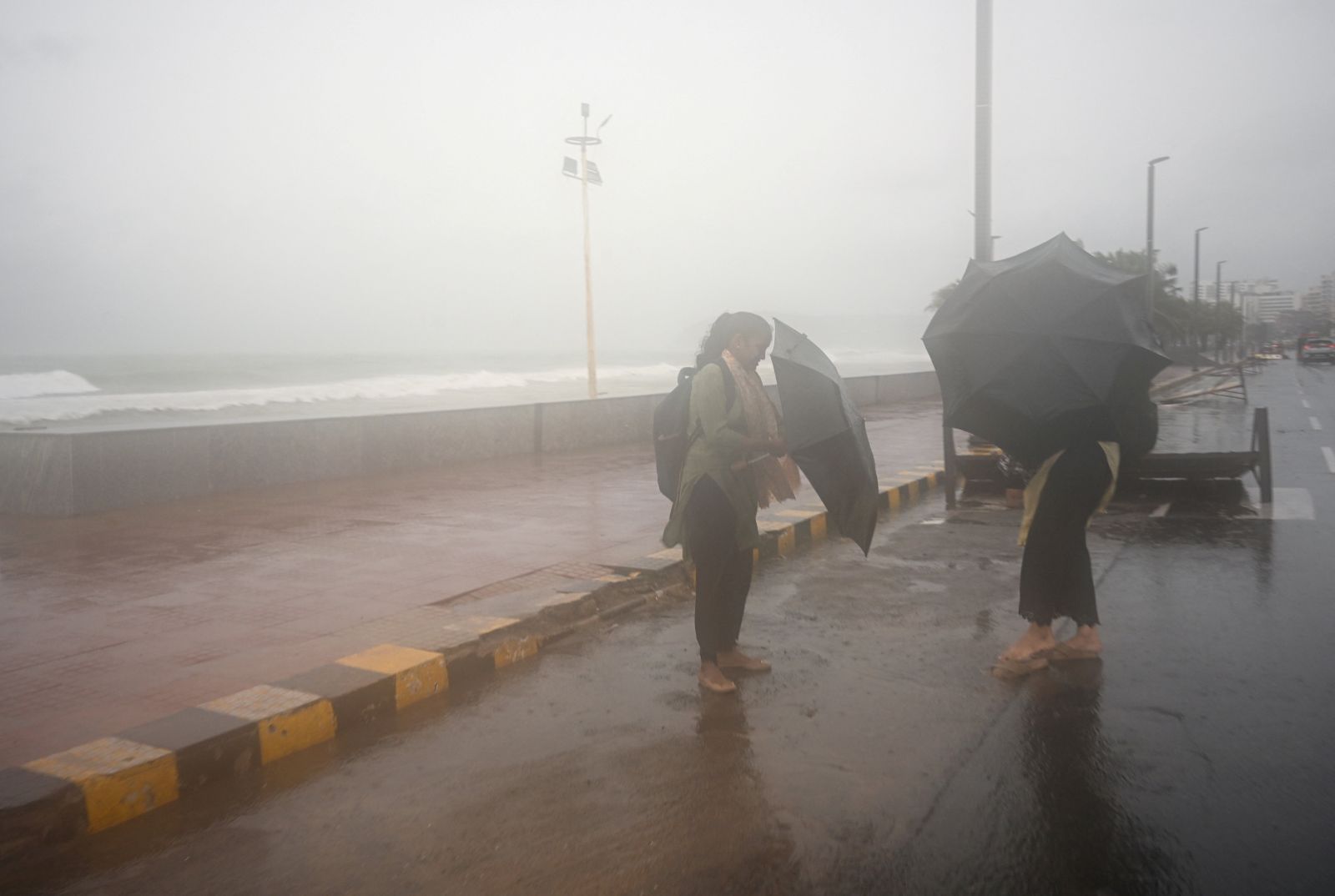
Cyclone Arnab: Nature’s Fury Strikes India’s East Coast
Bhubaneswar/Hyderabad, India — The roar of nature’s fury echoed across India’s eastern coastline on Wednesday, as Cyclone Arnab made its formidable presence felt. With trees crashing onto highways and electricity poles uprooted, the storm cast a shadow of fear and uncertainty.
In a precautionary move, authorities evacuated over 180,000 residents from the states of Andhra Pradesh and Odisha before Arnab’s arrival. Miraculously, no lives have been lost so far, a testament to the improved early-warning systems developed over the years. However, the storm’s impact is undeniable, as power supplies flicker and trees lay scattered like fallen soldiers.
As Arnab made landfall on the Andhra Pradesh coast early on Wednesday morning, it was officially classified as a “very severe cyclonic storm”—a chilling reminder of nature’s immense power. With winds howling between 125 and 135 kilometers per hour, and gusts reaching up to 150 km/h, the cyclone’s intensity was palpable.
Visuals on television displayed the chaos: highways choked with fallen trees, while humble workers donned rain gear to clear the debris. This was not just a storm; it was a harbinger of loss. One resident, Nagi from Kakinada district, expressed the pervasive anxiety felt by many: “No one knew whose house the water would rush into next, or whose home would be submerged.”
The fear was real, and the damage substantial. “Trees have fallen, houses have been damaged, and all our belongings, including our books, have been destroyed,” Nagi lamented, reflecting the heartache felt throughout the community.
With the cyclone’s menacing storm surge of 1 to 1.5 meters above normal tide, low-lying areas of Andhra Pradesh were at risk of inundation. Fishermen were warned not to venture into the bay, as the winds could spell disaster. The infrastructure took a hit too, with operations at three Andhra Pradesh airports halted and some schools closed indefinitely.
Meanwhile, neighboring Nepal wasn’t spared from Arnab’s wrath. Authorities suspended the issuance of trekking permits in high mountain areas for three days. This was peak trekking season, a time when around 750 adventure seekers received their permits daily.
With worry etched into their faces, officials cautioned tourists against high-altitude exploration, fearing that Cyclone Arnab could unleash torrential rains, blizzards, and avalanches in the Himalayan region.
Cyclone Arnab formed over the notoriously storm-prone Bay of Bengal—a region that has historically borne witness to deadly storms. The collective memory of a super cyclone in 1999, which claimed nearly 10,000 lives in Odisha, looms large. Yet, with advancements in early-warning systems, the hope remains that the lessons of the past will safeguard lives today.
As the winds continue to howl and the skies darken, communities band together, reflecting resilience in the face of nature’s fury. While Cyclone Arnab may have brought chaos, it’s a reminder of the strength found in unity and preparedness. The path to recovery begins now, as hearts and homes strive to heal in the aftermath of the storm.