A Ray of Hope: ASEAN’s Dialogue Efforts for Myanmar
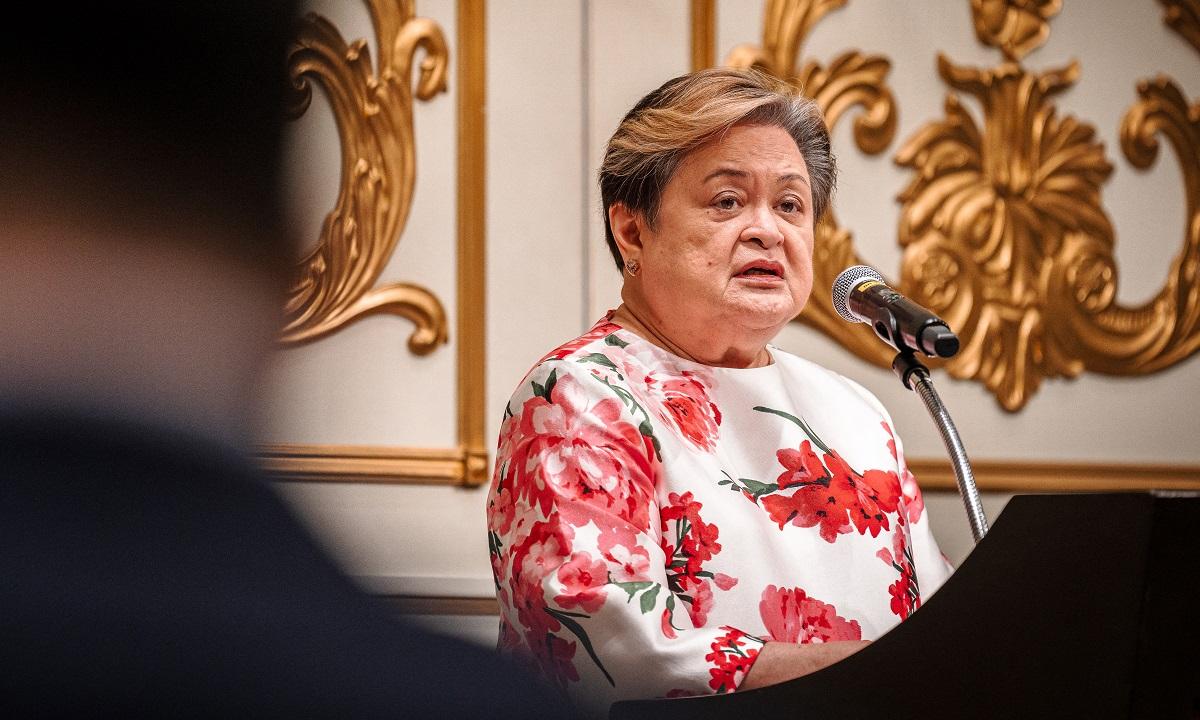
In a world filled with conflict and uncertainty, recent dialogues about peace in Myanmar shine a flicker of hope. ASEAN’s special envoy, Maria Theresa Lazaro, took a bold step forward, engaging in discussions with both ethnic minority rebel groups and a government-backed negotiation committee. This pivotal meeting unfolded in Thailand, where all parties expressed a willingness to explore meaningful dialogue.
A Step Forward
On Tuesday, the Philippines announced that these discussions aimed to tackle the ongoing civil war in Myanmar. Just a day before, a significant gathering occurred involving the foreign ministers from the 11-member Association of Southeast Asian Nations (ASEAN) and their counterpart from Myanmar. This marked their first in-person interaction since a military coup in 2021, which plunged Myanmar into a nationwide conflict.
The army-backed leaders of Myanmar have been barred from high-level ASEAN meetings due to their refusal to adhere to the “Five-Point Consensus” peace initiative, established five years ago. Yet, amidst this complex political landscape, there remains hope that recent talks might pave the way for progress.
Voices of Concern
However, skepticism lingers in the air. Analysts warn that re-engagement with Myanmar’s current government—led by former junta chief Min Aung Hlaing—could dilute ASEAN’s power and influence. The National Unity Government (NUG), an exile administration formed by remnants of Aung San Suu Kyi’s ousted party, expressed frustration over not being invited to the talks, raising critical questions about the true purpose of these discussions.
“We are deeply concerned about whether this meeting aligns with the ASEAN Five-Point Consensus or follows the military junta’s own agenda,” said Zin Mar Aung, the NUG’s foreign minister, voicing the anxieties of many.
The Human Cost
Since the coup, Myanmar has been embroiled in a brutal civil war. Protests against military rule morphed into a conflict that has claimed the lives of an estimated 100,000 people and displaced 3.6 million more. Communities have been torn apart, lives shattered, and hopes dashed.
A Future Built on Dialogue
Amidst this turmoil, Maria Theresa Lazaro’s talks with various parties convey a glimmer of optimism. “All sides emphasized the need for constructive dialogue,” a statement from the Department of Foreign Affairs noted. The discussions centered around the ‘way forward’ towards an inclusive national political dialogue, a crucial step toward healing a fractured nation.
Despite the numerous challenges ahead, the willingness to engage in dialogue may be the first step toward restoring peace and stability in Myanmar. In the face of adversity, there is a community yearning for reconciliation, a chance at rebuilding trust, and a future free from the shadows of violence.
As the world watches closely, one question lingers: will this dialogue translate into tangible steps toward peace, or will it remain another chapter in an ongoing struggle for Myanmar’s soul? Only time will tell, but for now, there’s a fragile hope stirring among those who dream of a better tomorrow.