

Justice and Corruption: The Complicated Case of Bong Revilla
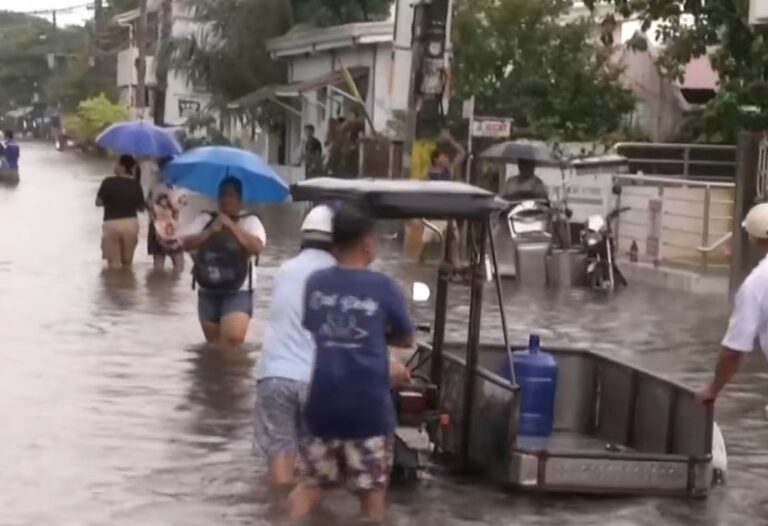
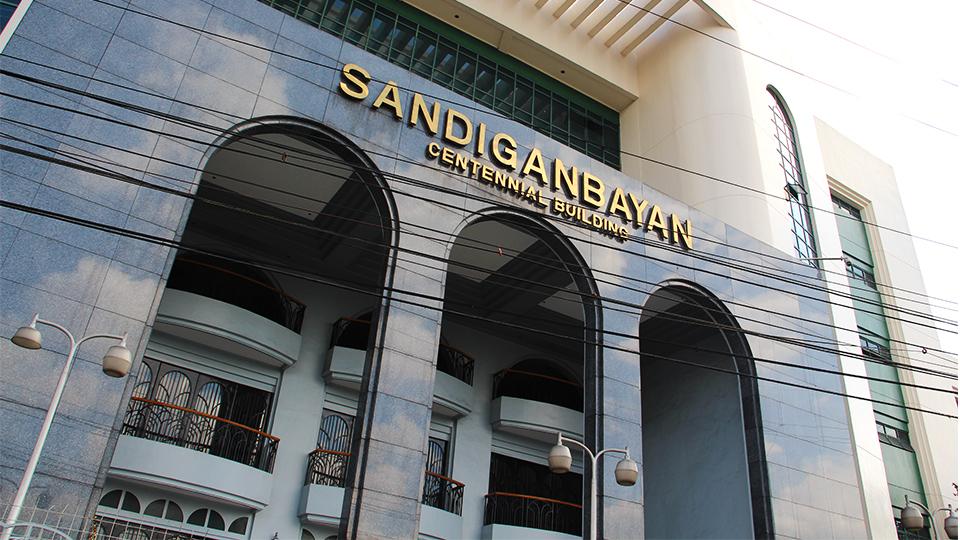
In a dramatic twist of justice, the Sandiganbayan’s Third Division Chairperson, Associate Justice Karl Miranda, has expressed strong dissent regarding the recent bail decision granted to former Senator Ramon “Bong” Revilla Jr. After being released from detention on Friday, Revilla will now face serious accusations linked to a staggering P92.8-million ghost flood control project in Pandi, Bulacan.
A Turbulent Path to Freedom
Revilla’s release has sent ripples through the legal community, especially since his co-accused, former officials of the Bulacan 1st District Engineering Office, were denied bail. The court deemed their guilt undeniable at this stage. Justice Miranda argued that the evidence against Revilla pointed to his “indispensable” role in the alleged misappropriation of funds. He voiced concerns about how the initial ruling overlooked critical elements that could prove Revilla’s involvement.
A Corrupted System
Justice Miranda’s dissent opened a window into a complex world of alleged corruption. The court’s findings suggested that the testimonies didn’t adequately show how Revilla helped facilitate the project’s funding. In a passionate response, Miranda emphasized that facilitation doesn’t solely mean direct intervention during congressional discussions. Instead, it could encompass actions even before budget proposals, paving the way for projects to be included in the national budget.
The crux of Miranda’s argument lies in the shared claims that Revilla was the brain behind the flood control project and had solicited funding lists from key figures within the Department of Public Works and Highways (DPWH). He spotlighted substantial documentary evidence supporting this claim—documentations that had phrases like “For Funding Sen. Bong Revilla” clearly stamped on them.
The Web of Deceit
Miranda highlighted the troubling notion of a “kickback scheme” prevalent within the DPWH. He painted a stark picture of a system where monetary commitments, often a percentage of the project budget, were exchanged for preferred treatment in project funding. This system, as he articulated, was not merely about constructing phantom projects but about a grand deceit to misuse taxpayer money.
He referenced a troubling admission from former District Engineer Henry Alcantara: only 30% to 35% of project budgets were actually allocated for their intended purposes. Instead, funds were diverted through a manipulation of the identification, funding, and procurement processes. Essentially, Revilla’s actions, as project proponent, were tightly interwoven into this web of corruption.
A Split Verdict
In his dissent, Miranda noted the court’s ruling was hard to understand: Revilla, who allegedly reaped benefits from this corruption, was granted bail, while his co-accused remained behind bars. They, too, played roles in the unlawful distribution of P76,916,337.42 meant for a project that was reported to be 95.17% complete but turned out to be non-existent.
The evidence presented in court showed a collective effort by the accused to misappropriate funds and facilitate illegal payments to a contractor named SYMS Construction Trading. The prosecution also revealed a troubling arrangement where money was funneled through ‘royalty fees’ for uses of licenses.
A shocking revelation came from SYMS’s owner, Sally Santos, who admitted to paying off former assistant district engineer Brice Hernandez. In a disturbing routine, she would withdraw payments made to SYMS, pocket her share, and in a scene straight out of a movie, deliver the remaining cash in boxes!
A Call for Justice
The intricacies of this case highlight the deep-seated issues of corruption that can permeate public projects intended to benefit communities. Justice Miranda’s passionate dissent illuminates a legal and moral battle about fairness and accountability.
As we reflect on this unfolding saga, the question remains: will justice be served? Or will the shadows of corruption continue to loom over those entrusted to protect public funds? In a world where integrity should reign, this case serves as a gripping reminder of the battle we face in safeguarding our democratic ideals.