
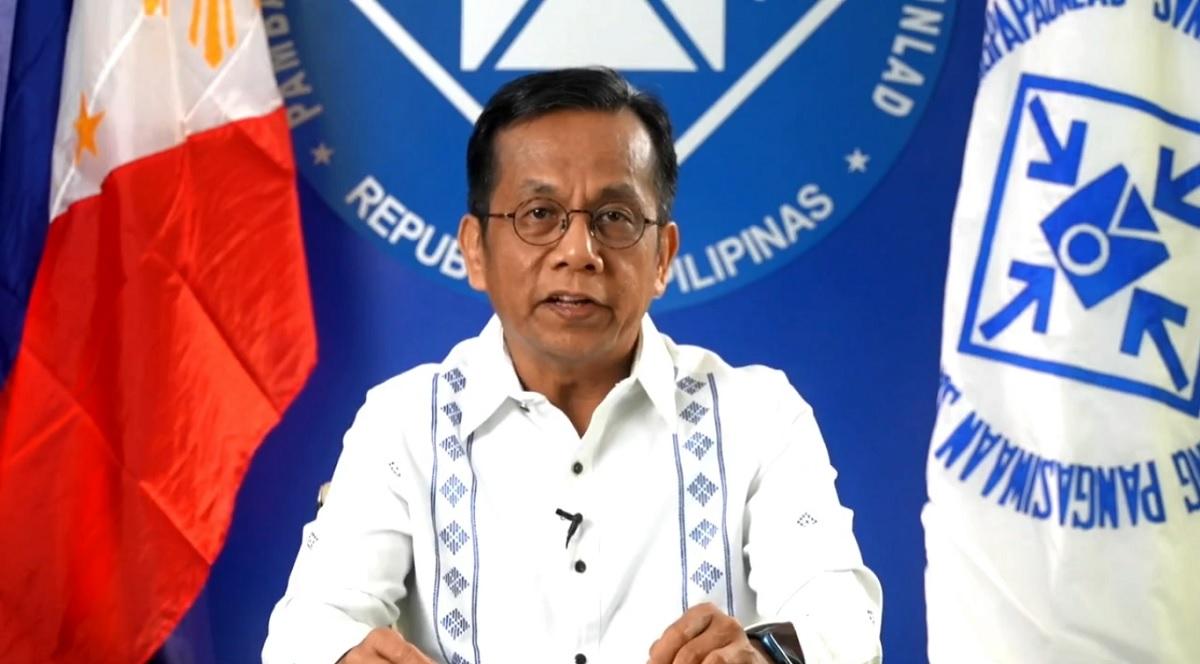
Understanding Stagflation: Insights from Economic Planning Secretary Arsenio Balisacan
In a world that often feels uncertain, it’s natural to seek clarity on the state of our economy. Recently, the Philippines’ chief economist, Economic Planning Secretary Arsenio Balisacan, shared his thoughts on a topic that’s been on many minds: stagflation.
What is Stagflation?
Stagflation is a troubling economic condition marked by three simultaneous factors: slow or stagnant economic growth, high inflation, and elevated unemployment. It’s a daunting combination that can leave even the most resilient economies in a tough spot.
The Latest Numbers
As of the third quarter of 2026, the Philippine economy has experienced a GDP growth of 2.1%. While this is slightly down from the 2.4% growth rate in the previous quarter, it shows a steady, albeit slow, progress. However, inflation is also making headlines. Prices of goods and services rose sharply, hitting 7.8% in October—this marked an increase from 7.2% in September and is the highest we’ve seen since February 2023.
Sadly, the job market tells a sobering story as well. The unemployment rate climbed to 5.4% in September, translating to approximately 2.86 million adult Filipinos without jobs. Just a month earlier, that number was lower, at 2.77 million. It’s clear that many families are feeling the strain.
A Call for Caution
With all these conflicting indicators, it’s no surprise that talk of stagflation has become prevalent. However, Secretary Balisacan urges caution. “I would wait for the end of the year to think of stagflation,” he remarked. His perspective emphasizes the importance of looking beyond just a handful of economic indicators to truly understand the full picture.
Looking Ahead
Despite the current challenges, Balisacan remains optimistic about the future. He expressed confidence that the final quarter of 2026 will perform significantly better than the first three quarters. “We need something like 4% to 4.5% growth to reach at least 3% overall for the year,” he explained. Achieving this would be a remarkable feat, especially considering the tough conditions we’ve faced recently.
In conclusion, while the road ahead may seem daunting, it’s essential to keep a balanced perspective. Balisacan’s insights remind us that a comprehensive view of the economy can provide hope and direction—even when the statistics appear troubling. As we navigate these uncertain times, let’s remain resilient and hopeful for brighter days ahead.