

The Arrest of TV Host Jay Sonza: A Story of Law and Controversy
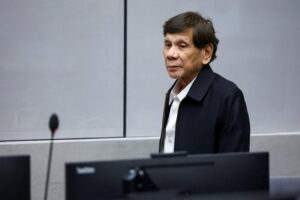
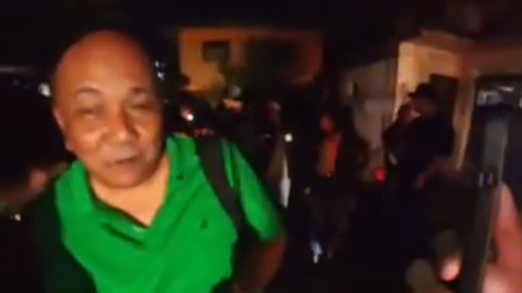
In a surprising turn of events, TV host Jay Sonza found himself in handcuffs in Quezon City, under the shadow of a storm of controversy. The reason? Allegations of spreading false information concerning the health of President Ferdinand Marcos Jr. This incident has sparked a whirlwind of discussion about freedom of speech, the legal system, and the intricacies of the law.
What Happened?
A warrant for Sonza’s arrest was issued by the Pasay Regional Trial Court (RTC), stating that the charges against him are non-bailable. This has sent shockwaves through both the legal community and the public. The accusations stem from claims of unlawful publication and utterances as outlined in Article 154 of the Revised Penal Code (RPC), intersecting with the Cybercrime Prevention Act of 2012.
The Debate Over Bail
However, not everyone believes this is justified. Ephraim Cortez, the President of the National Union of Peoples’ Lawyers (NUPL), has spoken out, asserting that these charges should indeed be bailable according to Philippine law. He explained that unlawful publication typically merits a sentence of “arresto mayor,” which is an imprisonment term of 30 days to six months. Yet, because the alleged offense occurred online, the Cybercrime Law escalates the penalty to “prision correccional,” meaning six months to six years of imprisonment.
Cortez argued passionately, “Either way, it is bailable.” He emphasized that under the constitution, bail is a right, except in the most serious of offenses. “The court cannot change that,” he added, shedding light on the legal framework surrounding such cases.
A Constitutional Right
When questioned about whether the court had the discretion to render the case non-bailable due to its connection to the president, Cortez maintained a firm stance. He noted that the law does not differentiate based on who is involved in the unlawful publication. “An act is deemed criminal if there is a law criminalizing it. The courts can only impose penalties defined by that law,” he explained.
Sonza’s legal troubles don’t end there. He is also facing a cyberlibel case before the Pasay RTC Branch 111, further complicating the public narrative surrounding him.
Sonza’s Response
In the midst of all the legal turmoil, Sonza is prepared to fight back. He expressed his readiness to undergo due process, establishing his commitment to confronting the charges head-on. His team, led by attorney Mark Tolentino, plans to challenge the issuance of the arrest warrant itself, calling it “highly irregular” given the nature of the offense. Tolentino reiterated that the charges against Sonza—by law—are considered minor offenses.
“There’s a strong argument to be made here,” he said, with palpable determination. “Issuing a non-bailable warrant for a charge that is usually a minor fine or short sentence is legally questionable.”
The NBI’s Role
Meanwhile, the National Bureau of Investigation (NBI), which executed the warrant, reminded everyone that the determination of bail rests solely with the court. NBI Director Melvin Matibag stated, “It’s up to the court to decide whether the accused may post bail. We simply enforced the warrant.”
A Bigger Conversation
As Jay Sonza navigates this challenging chapter, the broader implications of his case echo through society. The balance between freedom of speech and the legal repercussions of misinformation is a tightrope walk many face in today’s hyper-connected world.
Ultimately, what happens next in this unfolding story will be closely watched—not just for its impact on Sonza, but as a reflection of our society’s values around truth, accountability, and the law. As this dramatic saga continues, one thing is clear: the legal landscape is as complex as the stories we tell.