


—
Tensions Rise as Iran Threatens Retaliation Amid U.S. Military Talks
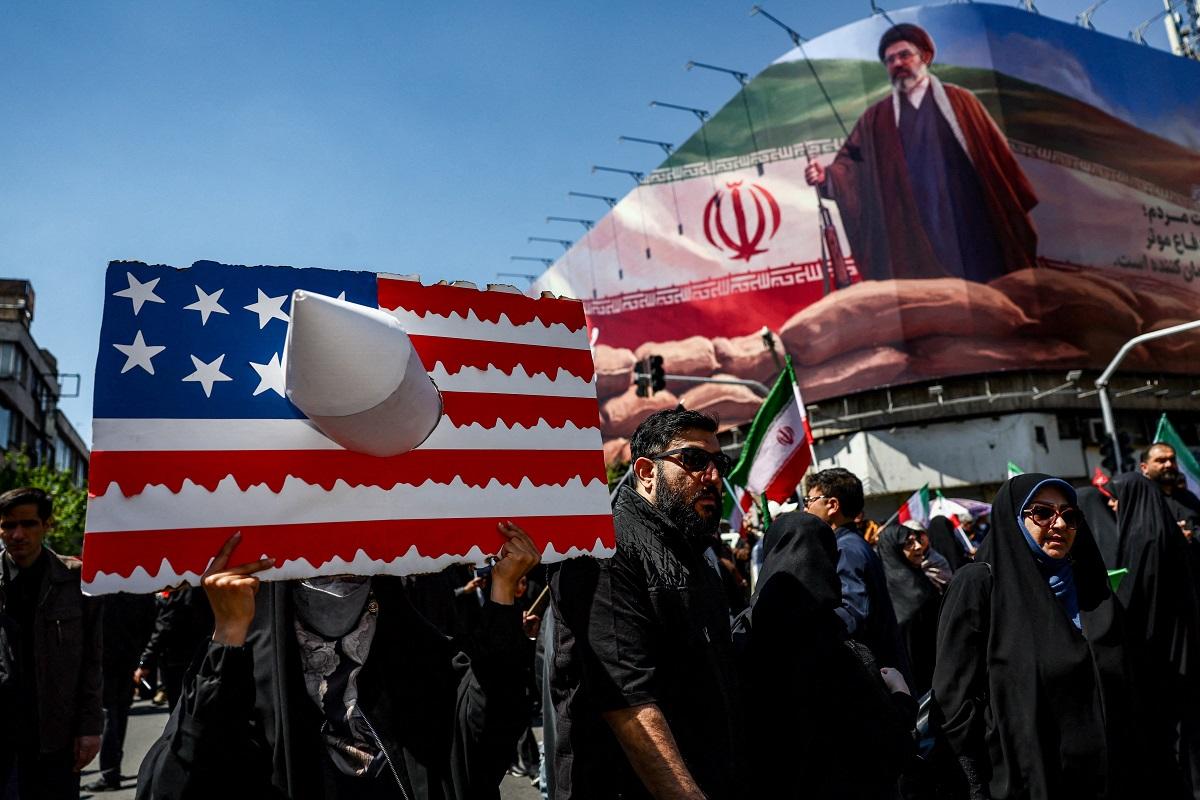
In a stark warning issued on Thursday, Iranian officials declared that they would respond with “long and painful strikes” on U.S. positions if Washington continued its military actions. This statement comes as Iran has asserted its control over the crucial Strait of Hormuz—a vital maritime corridor where 20% of the world’s oil and gas travels through—further complicating U.S. efforts to establish a coalition for reopening the waterway.
As we delve into this intricate conflict two months into the U.S.-Israeli war with Iran, the Strait remains effectively closed, resulting in skyrocketing global energy prices and rising fears of an economic downturn. Despite a ceasefire that has held since April 8, tensions remain high as Iran continues to block access to the strait in direct retaliation to a U.S. naval blockade targeting its oil exports—an essential lifeline for the Iranian economy.
A Brewing Storm
President Donald Trump is expected to receive a briefing on efforts to launch fresh military strikes against Iran, aimed at pushing Tehran back to the negotiating table. These plans, long discussed within U.S. military circles, sent oil prices soaring, with the price of Brent crude at one point exceeding $126 a barrel before settling back to around $113.
In response to any proposed U.S. attacks, Majid Mousavi, a senior commander of Iran’s Revolutionary Guards, warned of severe repercussions, stating, “We’ve seen what happened to your regional bases, and we will see the same thing happen to your warships.” The message was clear: Iran is prepared to fight back fiercely.
Control Over the Strait
Iran’s Supreme Leader, Mojtaba Khamenei, echoed this sentiment in a written statement to the Iranian people, asserting the country’s intent to eliminate “the enemies’ abuses of the waterway.” He emphasized that those who come “from thousands of kilometers away” have no rightful place in the strait—except, he ominously noted, at “the bottom of its waters.” This declaration reinforces Iran’s determination to maintain its hold over this critical area.
The conflict has had tangible effects on global markets, with Brent prices doubling since the war ignited on February 28. This spike has led to soaring inflation and higher fuel costs across the globe, prompting dire warnings from UN Secretary-General Antonio Guterres. He cautioned that prolonged disruptions could plunge millions into poverty and extreme hunger, saying, “The longer this vital artery is choked, the harder it will be to reverse the damage.”
Diplomatic Efforts in Motion
Despite ongoing hostilities, there are whispered hopes of diplomacy. Pakistan is reportedly acting as a mediator, facilitating exchanges between the U.S. and Iran as both sides contemplate a possible resolution. Tehran has recently expressed a willingness to set aside nuclear discussions until after the conflict is resolved, although this approach has not yet appeased U.S. demands to tackle the nuclear issue first.
Meanwhile, discussions are underway for a new coalition named the Maritime Freedom Construct (MFC), aimed at securing navigation through the strait—yet this initiative awaits the end of hostilities before it can be fully realized.
The Path Forward
As the situation hangs in the balance, both nations face mounting pressures. Iran is grappling with a strained economy, while the U.S. aims to maintain its strategic advantage in the region. The world watches closely, knowing that any misstep could escalate into broader conflict.
In this heated clash of interests, the stakes have never been higher. Can diplomacy find a way through? Or will the tides of conflict continue to rise?
—
Feelings of uncertainty and urgency permeate this unfolding narrative. As we stand on the brink of potential escalation, hope lingers that dialogue can prevail over discord.