


Iran Issues Stern Warning: 45 Tankers Blacklisted Amid Rising Tensions
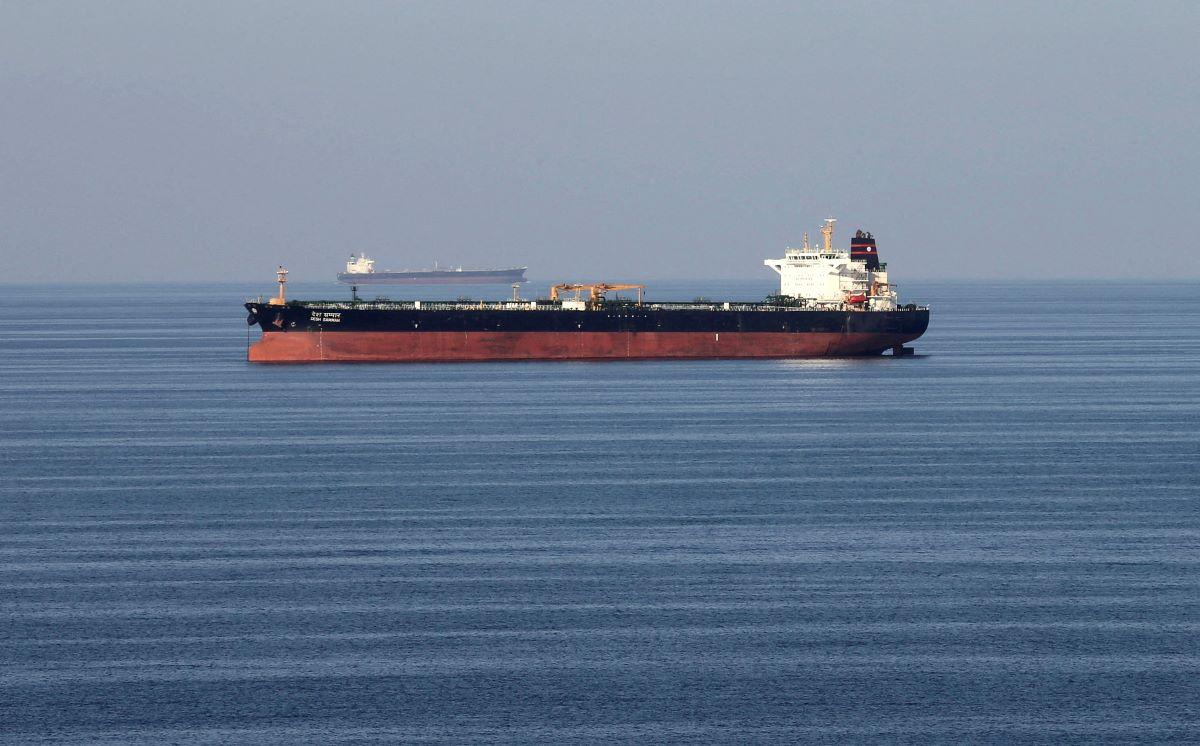
In a dramatic escalation of its maritime policies, Iran has recently declared it has blacklisted 45 tankers that have violated its regulations while navigating the crucial Strait of Hormuz. This announcement comes six months into an ongoing conflict and highlights the heightened stakes surrounding this vital waterway.
The Persian Gulf Strait Authority, a newly established organization by Iran to oversee the strait, stated that any vessels working with the troubled tankers could face severe consequences. These could include hefty fines, detention, and even the confiscation of cargoes.
Just days before this warning, the U.S. announced what it termed “the toughest sanctions in history.” In response, Iran promised that any new threats from America would result in a “devastating” counteraction. The blacklisted tankers include giant crude carriers and those transporting liquefied natural gas and petroleum, among others. Notably, some of these vessels are linked to the United Arab Emirates’ ADNOC Logistics and Shipping and Saudi Arabia’s national carrier, Bahri.
What’s more alarming is this: any ships engaging in ship-to-ship transfers with the blacklisted vessels could also find themselves added to the list. While Iran’s criteria for these rules remain somewhat vague, the country has previously insisted that ship owners must obtain clearance to pass through the strait and pay for security and other associated services.
As tensions simmer in the region, the U.S. has implemented a naval blockade aimed at shipping related to Iran. Before the conflict disrupted tanker traffic, the Gulf region was responsible for about 20% of the world’s daily crude oil and liquefied natural gas. Lately, efforts coordinated by the U.S. to shuttle tankers discreetly through the Strait of Hormuz have shown some success in restoring export volumes.
U.S. Secretary of Energy Chris Wright proudly announced via social media that the “7-day average of oil leaving the Strait is over 8 million barrels a day.” He insisted, “Make no mistake, thanks to the U.S. Navy, oil is flowing through the Strait of Hormuz.”
The blacklist also includes vessels owned by Klaveness Ship Management, Stolt Tankers, and South Korea’s Sinokor. As for ADNOC and other shipping companies? They remained silent when approached for comments by Reuters.
In light of these developments, the Persian Gulf Strait Authority has urged cargo owners to consult an updated list of vessels categorized as non-compliant to avoid complications. If a vessel wishes to be removed from this blacklisted status, it must submit a request along with relevant explanations to Iran’s maritime authorities.
The following tankers have found themselves on Iran’s non-compliance list:
1. Kiku
2. Mubaraz
3. Minoan Pioneer
4. Hafeet
5. Al Rekayyat
6. Wedyan
7. Cyprus Prosperity
8. Al Rawdah
9. Rasheeda
10. Lebrethah
11. Lila Vadinar
12. Maha Roos
13. Gfs Galaxy
14. Al Bahyah
15. Mombasa B
16. Stolt Magnesium
17. Al Watan
18. Navig8 Messi
19. Singapore Prosperity
20. Disha
21. Gaslog Shanghai
22. Lubna
23. Hazi 1
24. Ryujin
25. Anna Barbara
26. Sunbird Arrow
27. Minoan Dignity
28. Maria
29. Kavomaleas
30. Mardan
31. Sweden Prosperity
32. Jarnain
33. Kaifan
34. Nissos Kea
35. Rotterdam Energy
36. Al Hamra
37. Umm Al Ashtan
38. Marigold Lng
39. Banastar
40. Navara
41. Nissos Heraclea
42. Blue Star 1
43. Ashley
44. Mraweh
45. Al Lulu
As these developments unfold, the world watches closely. The stakes are high, and the implications of this ongoing conflict resonate far beyond the waters of the Strait of Hormuz.