A Call to Action for Europe: A Unified Approach to Budgets and Future Challenges
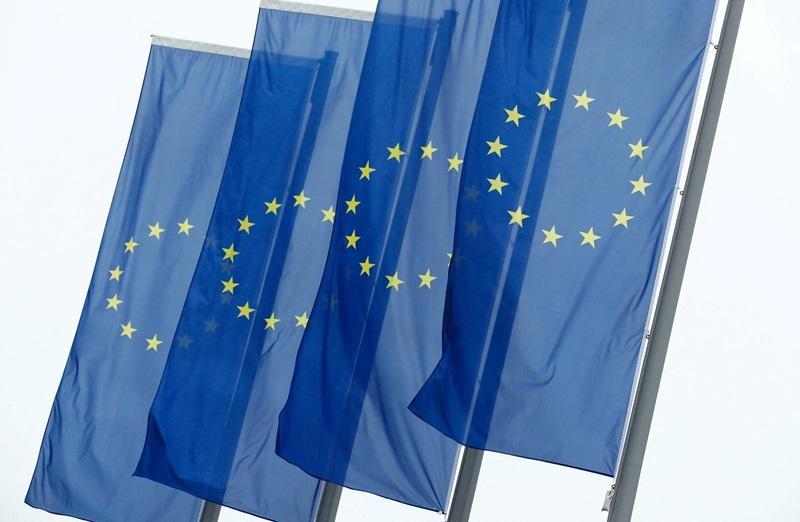
As the sun cast its warm glow over Nicosia this past Saturday, finance ministers from across the European Union gathered to confront a pressing reality: the next 15 years could bring hefty bills for defense, energy, and pensions. The International Monetary Fund (IMF) stood as a beacon of insight, urging leaders to embrace bold reforms, consolidation, and even joint borrowing to navigate this looming financial storm.
Imagine—if we remain on our current path, public debt in the average European country is projected to soar to a staggering 130% of GDP by 2040. This is not just a number; it represents the weight of a nation’s future—doubled from today’s levels. The IMF’s report served as a wake-up call, pushing ministers to rethink strategies during their critical discussions.
The Path Forward: Mobility and Integration
To steer clear of this daunting scenario, the IMF laid out a roadmap. First and foremost, they proposed that EU nations enhance motivation for citizens to explore job opportunities throughout the 27-nation bloc. Imagine a Europe where talent flows freely, where companies are incentivized to hire from a diverse talent pool.
But that’s only the beginning. The IMF advocates for integrating energy markets and facilitating smoother transitions for citizens’ savings into fruitful investments. By unifying regulations that currently vary from country to country, we can pave a more streamlined path toward prosperity for all.
Rethinking Retirement and Investment
The conversation doesn’t stop there. The need for pension reforms and even raising the retirement age came to the forefront. It’s a tough pill to swallow, but it’s essential for long-term stability. In tandem with government-backed guarantees for riskier investments in low-carbon and climate-resilient projects, Europe can attract private capital where it’s sorely needed.
A Controversial Idea: Joint Borrowing
At the heart of the discussion lies a contentious topic—joint borrowing. For some, like Spain, Italy, and France, this idea could signal a shift toward solidarity in funding essential services like innovation, energy, and defense. However, countries like Germany and their northern neighbors raise caution. The divide is clear, and bridging it won’t be easy.
Kyriakos Pierrakakis, chairman of euro zone finance ministers, acknowledged, “This is one of those areas where there are differences of opinion, but it’s certainly one of the issues we will be delving into over the coming months.” The road to consensus won’t just be about money; it will be about trust and shared responsibility.
The Time to Act is Now
The IMF emphasized that even with ambitious reforms, most EU nations will still require fiscal consolidation to keep debt from spiraling further. It’s a tough balancing act but one that is crucial. As the IMF puts it, the old ways—“muddling through”—are no longer viable. A more strategic, proactive approach is essential.
The urgency is palpable. Change isn’t just an option; it’s a necessity. We must avoid piecemeal solutions that won’t suffice, and instead, embrace the challenges ahead with courage and clarity.
As Europe stands on the brink of transformation, the message is clear: collaboration, understanding, and strategic planning are not just ideals—they are imperatives. Together, we can forge a path to a more resilient and united European future. The journey may be complex, but the stakes couldn’t be higher. Let’s step forward—together.