

An Emotional Showdown: ICC Judges Stand Against US Sanctions
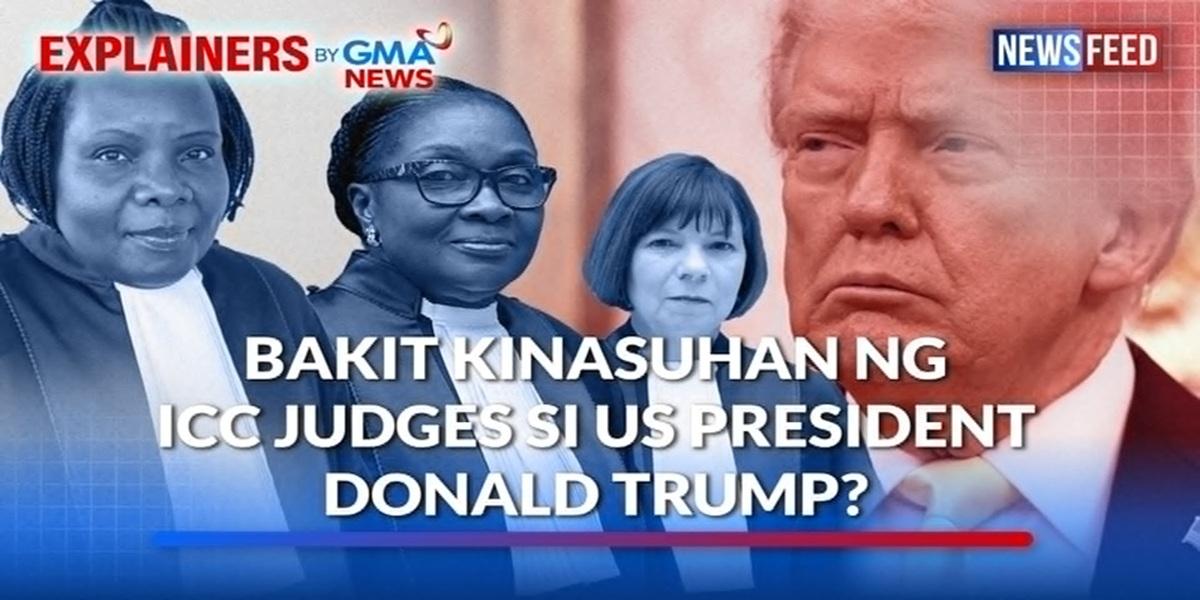
In a dramatic turn of events, three esteemed judges from the International Criminal Court (ICC) have taken a bold stance against former US President Donald Trump and his administration. They’ve filed a lawsuit over sanctions imposed on them, raising important questions about justice, autonomy, and the power of international law.
The Judges: A Defiant Trio
Meet the plaintiffs: Judge Kimberly Prost from Canada, Judge Solomy Balungi Bossa from Uganda, and Judge Reine Adelaide Sophie Alapini-Gansou from Benin. These dedicated judicial minds have poured their lives into upholding justice at the ICC. However, they now find themselves under intense pressure, prompting them to respond with legal action.
The sanctions levied against them by the Trump administration are not mere disciplinary measures. In their complaint, the judges argue that these actions aim to manipulate their decisions and undermine the independence of the judiciary. It’s a deeply emotional situation—one that challenges the very fabric of international law.
The Impact of Sanctions
What do these sanctions entail? They target the judges’ personal and financial lives, creating a chilling effect on their ability to perform their duties. Imagine being unable to use credit cards, access banking services, or even book travel—all because of your commitment to justice. The constraints extend to health insurance and access to online platforms, seriously compromising their everyday lives.
Moreover, the judges assert that these sanctions interfere with their work, hindering the presentation of evidence and legal arguments in ongoing ICC cases. This influence is not just an inconvenience; it fundamentally alters the course of justice.
The Origins of Conflict
To understand this conflict, we need to look back to February 2025, when the Trump administration imposed these sanctions. The move came in response to actions by the ICC regarding Israel and the United States. This included the ICC’s controversial arrest warrant for Israeli Prime Minister Benjamin Netanyahu and the investigation of alleged war crimes committed by American soldiers in Afghanistan.
The Trump administration’s stance was clear: the ICC should not possess authority over matters concerning the United States and its allies.
The Broader Implications
The ICC, established in 2002, is a vital institution in the fight against genocide, crimes against humanity, and war crimes. With 125 member states, it represents a collective commitment to accountability. Yet, significant powers like the US, China, Russia, and Israel refuse to recognize its authority, creating fractures in global governance.
The implications of this lawsuit are profound. It raises alarms about the independence of judicial systems worldwide. If powerful nations can wield sanctions as weapons to influence judicial decisions, what does that mean for justice on a global scale?
A Call for Reflection
In standing up against these sanctions, Judges Prost, Bossa, and Alapini-Gansou are not just fighting for their own rights; they’re championing the cause of justice for all. They’re calling us to reflect on the importance of an independent judiciary free from external pressures.
As the world watches this high-stakes legal battle unfold, it serves as a poignant reminder of the challenges faced by those who dedicate their lives to the pursuit of justice in an increasingly complex and politicized world.
In this emotional showdown, one question remains: What happens when the scales of justice are tipped by the weight of political power? The answer could redefine the relationship between national interests and international justice forever.