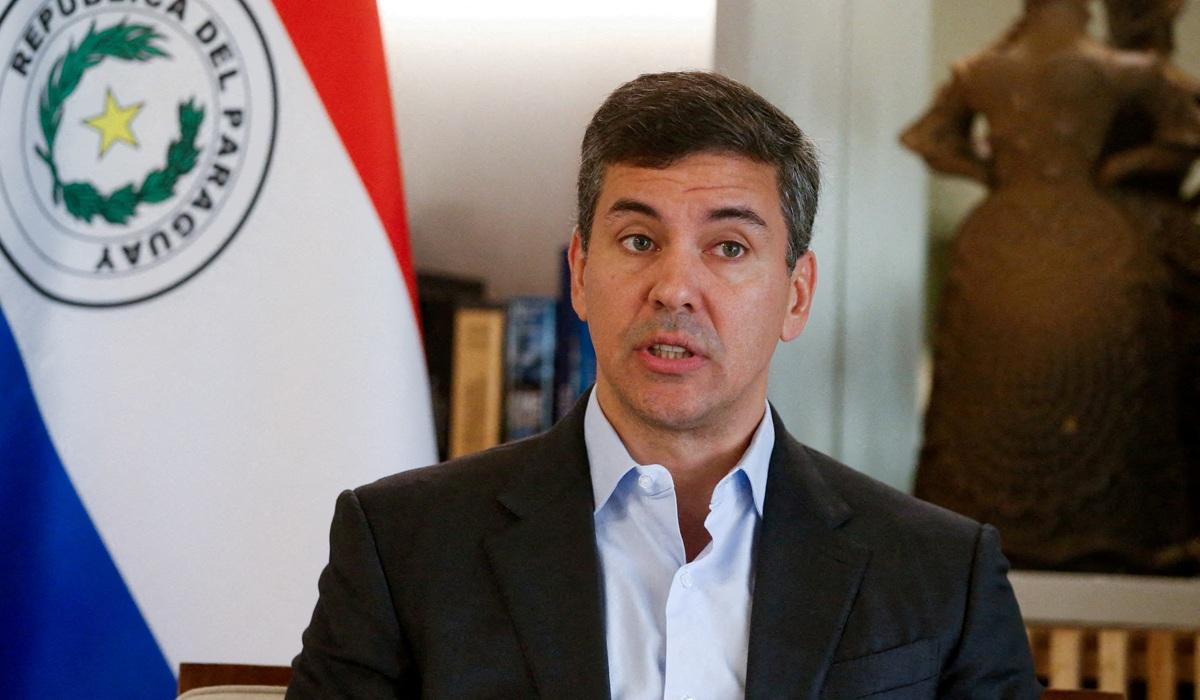
A New Dawn for Paraguay: Pedro Alliana Takes the Helm Amid Crisis
In a dramatic turn of events on Friday, *Pedro Alliana* took the oath of office as Paraguay’s new president. This monumental moment unfolded just as authorities placed *Santiago Peña*, the impeached former president, under house arrest, marking the latest twist in a rapidly escalating political and financial crisis ignited by the collapse of *ueno*, a digital bank that had catered to nearly half of Paraguay’s population.
The Fall of Santiago Peña
Peña’s situation deteriorated quickly. Just an hour before Alliana’s inauguration, the Senate voted unanimously to remove him from office. Lawmakers expressed grave concerns over Peña’s associations with ueno, a bank that exploded in popularity but left many feeling vulnerable when it collapsed earlier this week.
As *prosecutors* stood outside Peña’s home in the heart of Asunción, they hinted at the serious charges building against him, potentially including influence peddling. Peña is expected to appear at the prosecutor’s office on Saturday morning, where a clearer picture of his legal woes may emerge.
A New Leader Emerges
Alliana, the former Vice President and a seasoned conservative politician, was sworn in amidst the chaos. At 52, he stepped into a profound role, once a second-in-command, now the face of the nation during its time of need. The Senate’s decision came swiftly; although Peña had resigned the day prior, they intended to uphold the impeachment process, showcasing the urgency of the situation.
As the sun set on the political battlefield, dozens of protesters gathered outside Peña’s residence, their voices rising in the night air. Police cordoned off the area, ready to manage the tense atmosphere.
The Crisis Unfolds
This turmoil only deepened as Paraguay’s central bank intervened in ueno, which had promised financial inclusion to many unbanked citizens. Though it boomed since its 2021 launch, troubling questions lingered about ueno’s lending practices and its connections to the power elite, including Peña himself. Investigations revealed that *Carlos Carvallo*, the former central bank chief and ueno’s past leader, was also implicated, leading to his resignation and subsequent arrest warrant.
Adding to the upheaval, eight former executives of ueno were detained, while several of Peña’s close advisers stepped down, highlighting the widespread implications of this financial debacle. Allegations against Peña range from conflicts of interest to regulatory manipulation, all of which he vehemently denies, framing the situation as a mere regulatory failure.
Voices of the People
Outside government buildings in downtown Asunción, the voices of the people grew louder. Protestors demanded accountability and quicker compensation for their frozen savings, echoing sentiments of despair and urgency. Among them were pensioners dependent on ueno for their state benefits, left anxious and stranded.
Earlier in the week, Peña had introduced legislation aimed at expediting payments to those affected, and some individuals reported beginning to access their funds again. Yet the path ahead remains uncertain, as tensions simmer on the streets and within financial markets.
A Watchful Eye
With the situation spiraling, neighboring Brazil kept a watchful eye on Paraguay. Their primary concern? To prevent social instability and ensure the banking crisis is resolved without inciting broader unrest. Analysts warn that protests may escalate further if Peña’s exit appears to grant him immunity from consequences or if compensation efforts stall.
Pedro Alliana now stands at the helm during this turmoil, tasked with navigating the stormy waters of political and economic turmoil. As Paraguayans hold their breath, they hope for a leader who can restore trust and safety in their financial systems, bridging the gap between despair and hope in a nation in need of healing.