Tensions in the Senate: A Call for Presidential Intervention
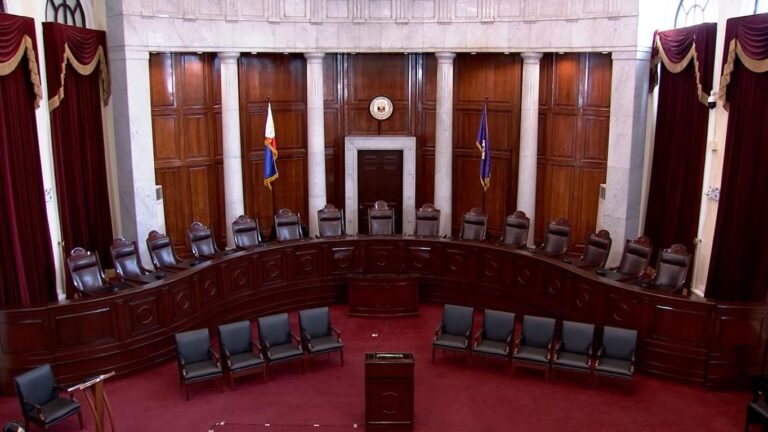
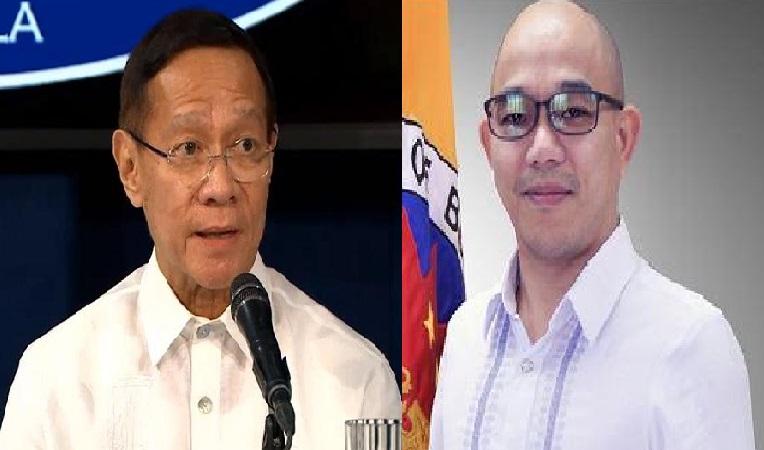
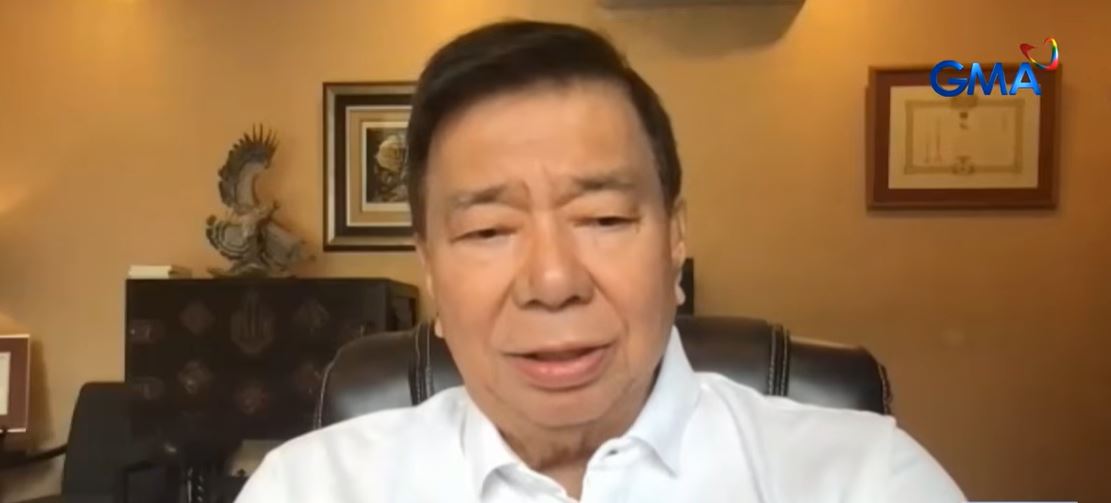
The air is thick with tension in the Senate, and the call for leadership is growing louder. Former Senate President Franklin Drilon urges President Ferdinand Marcos Jr. to step in and help resolve the ongoing conflicts among rival factions. “If he hasn’t intervened yet, he really should,” Drilon emphasized in a recent interview. He believes that the President’s involvement is essential for the government to function effectively.
“After all, this is a branch of government that needs to work,” he said. “It’s the President’s duty to ensure that everything runs smoothly.”
Drilon reflects on a notable instance from 2020 when former President Rodrigo Duterte stepped in during a leadership dispute between then-House Speaker Alan Peter Cayetano and Marinduque Rep. Lord Allan Velasco. This kind of intervention is not uncommon in politics, as Drilon pointed out. “The truth is, Malacañang does get involved when issues arise like this,” he remarked, acknowledging the complicated dynamics at play.
Senator Alan Cayetano recently warned Senator Sherwin Gatchalian to be cautious. “Be careful, Senator Win,” he cautioned. “You have a bright future ahead. Don’t let yourself be used by Malacañang or anyone else, even if they offer you a high position.” He shared advice from a mentor: “Receive, don’t grab.”
In response, Gatchalian firmly rejected any claims that he or his colleagues are being used. “No one is being taken advantage of here,” he asserted. Instead, he emphasized the importance of consensus-building among senators. “We need to come together and focus on what’s best for the country,” he stressed.
The Palace has also weighed in, denying any claims that Marcos played a role in the leadership changes while insisting on the principle of separation of powers. Palace Press Officer Claire Castro rebutted: “If the President were intervening, there wouldn’t have been chaos on May 13. The turmoil in the Senate is not the President’s doing.”
She placed responsibility squarely on Cayetano, stating, “All the turmoil in the Senate happened on his orders. They brought this upon themselves.”
In this swirling sea of allegations and counter-allegations, former Senate President Francis Escudero made it clear that he acted independently when he attended a crucial plenary session that allowed Gatchalian to take his place as the Senate’s leader. “It’s frustrating to see the Senate adjourn for three days when everyone is present and ready to work,” Escudero stated.
As these powerful voices clash, the question remains: Will President Marcos step in to restore order? The Senate’s future hangs in the balance, and the nation watches, waiting for a resolution that will allow the government to function smoothly once again.
In a world where political dynamics can be as turbulent as a stormy sea, the need for leadership and collaboration has never been more urgent. The country’s future depends on it.