


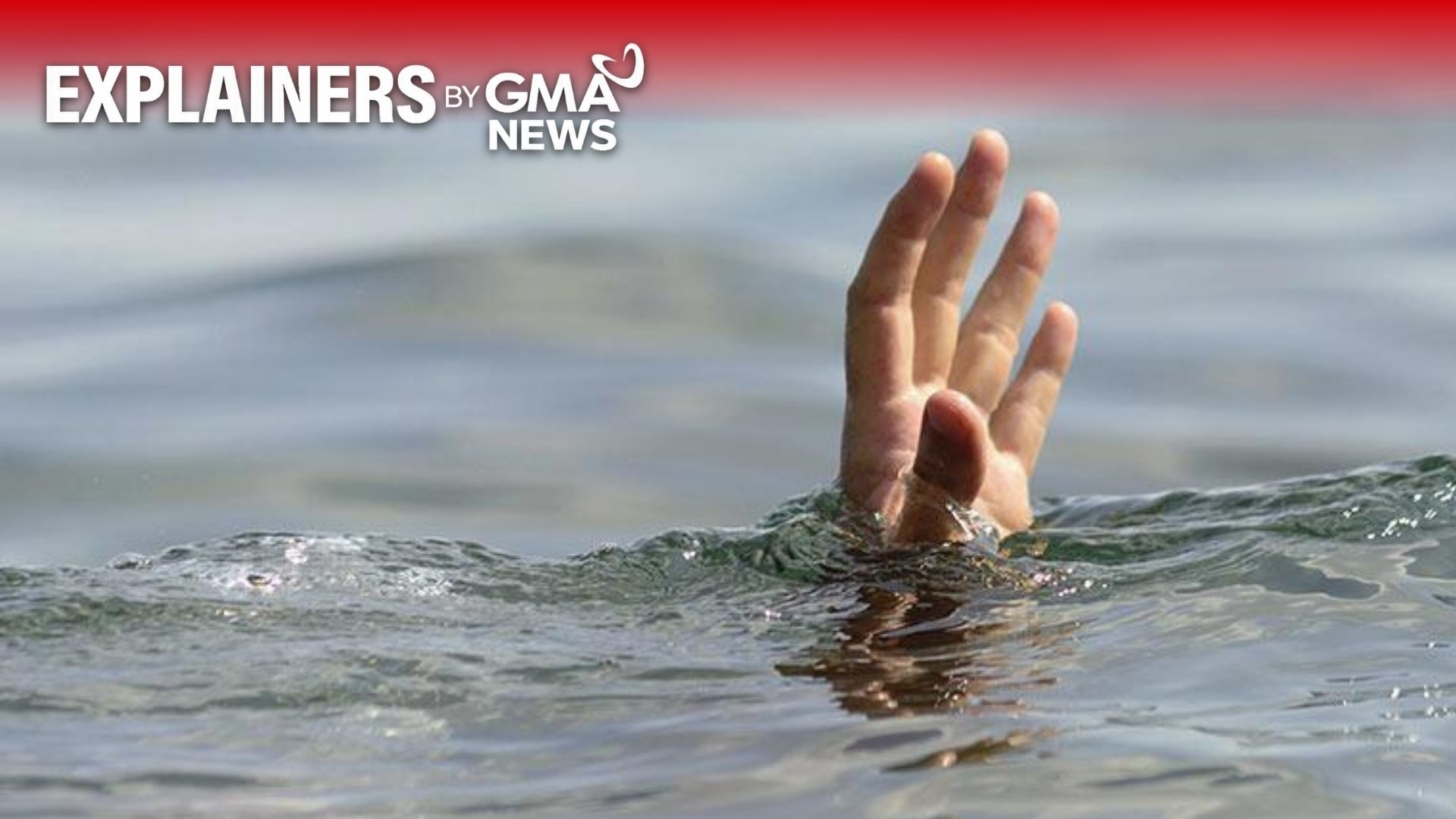
The Silent Threat: Understanding Asphyxiation and Drowning
Asphyxiation, often called suffocation, is a terrifying phenomenon. It occurs when our bodies are deprived of oxygen—a vital resource we often take for granted. Imagine a world where each breath becomes a struggle, where life hangs by a thread. That’s the reality when oxygen is cut off.
What causes this dramatic situation? Several factors can lead to asphyxiation, including allergic reactions, drowning, or even something as simple as a toy lodged in the throat. The frightening truth is that when oxygen is denied, our brains and vital organs suffer quickly. Within moments, unconsciousness can set in, and without swift action, it can tragically lead to death.
The Dangers of Drowning
One of the most common causes of suffocation is drowning. According to the American CPR Care Association, drowning occurs when water fills the lungs, preventing oxygen from reaching our bloodstream. The sobering fact is that our bodies cannot extract oxygen from water. Drowning isn’t limited to grand oceans or deep pools—it can happen anywhere, even in a bathtub.
And time is of the essence. Brain damage can begin within minutes of oxygen deprivation, which is why immediate rescue and CPR are crucial.
What to Do in a Drowning Situation
So, what should you do if you see someone struggling in water? A Singapore-based medical and first-aid group offers some vital guidance:
– If the victim is conscious, don’t jump in. Instead, throw flotation aids—life rings or ropes can make a world of difference. Entering the water can put you at risk unless you’re trained to swim safely.
– If the person is unconscious and not breathing, act fast! Start CPR and chest compressions immediately. This can help restore oxygen circulation—a lifeline that could save their life.
– During the rescue, it’s crucial to keep the head and neck as still as possible. This minimizes the risk of spinal injuries. Use rolled towels or steady hands to support the neck while you administer chest compressions.
– If the victim has been pulled from cold water, strip them of wet clothing right away and wrap them in warm blankets. This can help prevent hypothermia, another silent threat.
Preventing Drowning
How can we keep ourselves and our loved ones safe? The Philippine Coast Guard suggests some essential safety measures:
– Avoid alcohol before or during swimming activities. Remember, a clear mind is a safer body.
– Supervise children and vulnerable individuals closely. Their safety should always come first.
– Learn basic swimming and safety skills. Knowledge is a powerful tool against accidents.
– Use a buddy system, particularly for those with medical conditions like seizures. It’s always safer to have someone watching your back.
– Wear properly secured life jackets. They can be lifesavers, ensuring you stay afloat when it matters most.
– Be aware of natural water hazards—know your currents and tides. Ignorance can lead to dangerous situations.
In Conclusion
Asphyxiation and drowning are serious threats that can strike without warning. By understanding the dangers and knowing how to respond, we can turn fear into action. Each moment counts in a crisis, and your quick response can make all the difference. Stay aware, stay prepared, and remember: Your safety and the safety of others depend on it.