Turning Trash into Treasure: The Philippines’ Bold Move Towards Waste-to-Energy
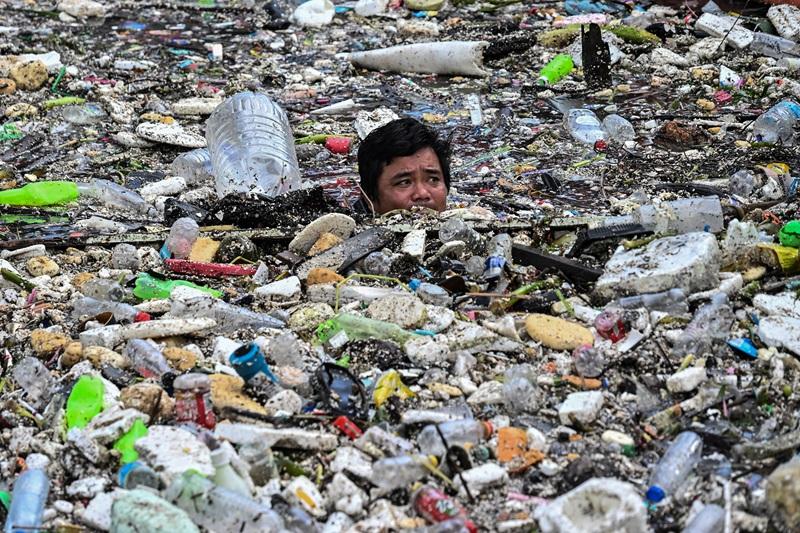
In a world where waste often leads to disasters, a beacon of hope shines bright from the Philippines. The Department of Energy (DOE) is stepping up its waste-to-energy (WTE) program, spurred on by President Ferdinand “Bongbong” Marcos Jr.’s passion for turning rubbish into a valuable resource. This initiative is vital not only for energy production but also for tackling the pressing issue of urban flooding caused by debris clogging the nation’s waterways.
A New Vision for Waste Management
“Waste that can no longer be reused or recycled should not simply end up in landfills or waterways,” *asserts Energy Secretary Sharon Garin*. This statement hits home, reminding us that the waste we discard has the potential to power our homes. Under strict environmental safeguards, the DOE plans to convert appropriate residual waste into useful energy, enriching our power supply while safeguarding our environment.
The stakes are high. Every day in Metro Manila, around 9,000 metric tons of municipal solid waste are generated. That’s a staggering amount, and the DOE believes this waste could potentially support about 200 MW of power generation capacity. Just imagine: our trash could be the key to overcoming both our energy challenges and our waste management problems.
From Vision to Action
The President’s directive gives new momentum to the DOE’s longstanding strategy of utilizing WTE technology. Last month, the DOE formally resumed activities for the Special Auction Round for Waste-to-Energy projects under the Green Energy Auction Program. To attract private investment and accelerate development, they’ve increased their target from 230 MW to 400 MW and revised their auction terms.
Mark your calendars for October 13, 2026, the date of the Auction Proper. Once winning bidders are announced, they’ll aim for mechanical completion by the end of 2028, and begin delivering electricity to the national grid by the close of 2029.
A Commitment to Excellence
What does this mean for the environment? Energy Secretary Garin is clear: *“We want these projects built, but we also want them built to the highest standards.”* WTE must not create new environmental issues as it solves old ones. The goal is not just to reduce waste but to do so while adhering to strict environmental standards.
With significant interest from developers, the DOE’s mission goes beyond merely awarding capacity. “Our objective is to support projects that are technically sound, environmentally compliant, and commercially viable,” Garin emphasizes. It’s not just about generating energy; it’s about creating a sustainable future.
The Path Ahead
*“We are moving WTE from policy into implementation,”* Garin states with determination. The President’s renewed push has created a powerful surge in this endeavor. Now, it’s time to identify viable projects and ensure that these facilities uphold the necessary standards.
Imagine a future where our refuse doesn’t fill landfills, but instead fuels our lives—where trash becomes treasure. The journey toward waste-to-energy is not just a technical challenge; it’s a heartfelt commitment to a cleaner, more sustainable planet. As we embark on this important path, let’s remember: every piece of waste has potential waiting to be unleashed.
Together, with determination and innovation, we can turn what we once deemed worthless into a bright energy future for generations to come.