Breaking Down the Sandiganbayan Ruling: What It Means for Former Energy Chief Alfonso Cusi and Co-Accused
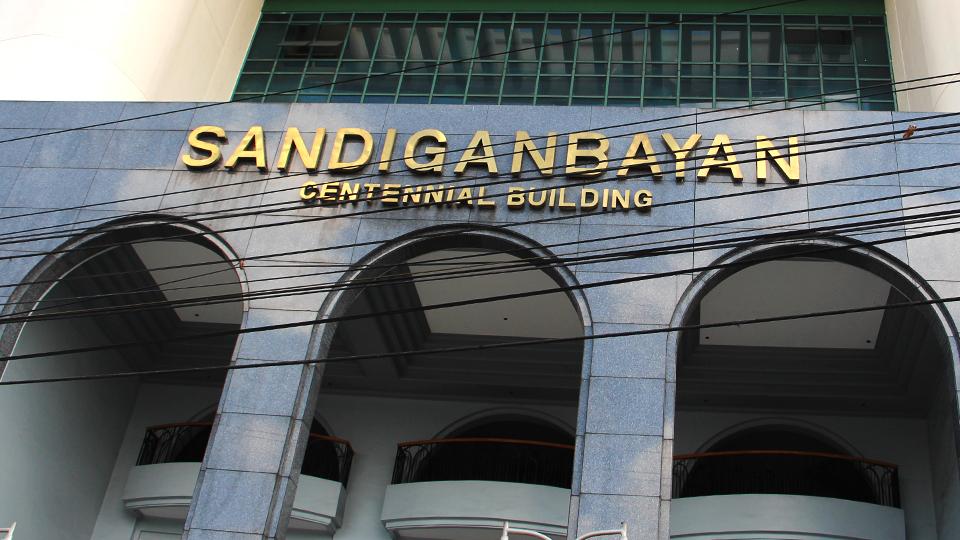
In a significant turn of events, the Sandiganbayan has made a ruling that has sent ripples through the corridors of the Philippine government. On Friday, the Third Division of this anti-graft court determined that prosecutors have adequately informed former Energy Secretary Alfonso Cusi and others involved about the graft charges linked to the controversial Malampaya case.
Understanding the Charges
At the heart of this matter are two critical sections from the prosecution’s Bill of Particulars.
– Section 3C outlines the government’s accusations regarding the 2019 sale of Chevron Malampaya LLC’s 45% stake to UC Malampaya, a company owned by Dennis Uy. It claims that this decision, which Cusi and his co-accused approved, caused a dramatic fall in revenues from the Malampaya gas project. The figures tell a stark story—revenues dipped from a promising $1.22 billion in 2020 down to projections of just $680 million by 2024.
– Section 3E dives deeper into the alleged mismanagement. It asserts that the respondents permitted UC Malampaya to acquire the Chevron shares for $387.6 million. This price tag is significantly lower than the fair market value of $565 million. Instead of an open bidding process, this sale raises eyebrows about transparency and the interests of the Filipino people.
The Court’s Perspective
Justice Karl Miranda, chairperson of the Sandiganbayan Third Division, expressed that the prosecution has complied with the court’s order to submit a detailed Bill of Particulars. This was particularly important because Cusi’s co-accused argued that the original charges lacked clarity.
The case involves several figures, including:
– Donato Marcos
– Robert Biron Uy
– Leonido Pulido III
– Cesar Dela Fuente III
– Guillermo Ansay
– Araceli Santos-Soluta
– Thelma Cerdeña
– Demujin Antiporda
– Arthus Tenazas
– Rowena Joyce Delos Santos
Among these eleven accused, several—like Pulido, Ansay, Antiporda, Tenazas, and Delos Santos—are still actively working within government structures.
Next Steps: A Call for Appeal
In light of the court’s ruling, Cusi’s co-accused are now seeking to appeal, contesting the court’s conclusion that the prosecution’s claims meet legal requirements. Not wanting to stand alone, Cusi has echoed this decision. This move has resulted in the postponement of their arraignment, now scheduled for July 10.
Looking Back in Time
It’s worth noting that this graft case stemmed back to August 2025, when the allegations of the dubious sale first came to light. Each revelation adds weight to the challenges facing these government officials, especially in a time when the public’s demand for accountability is at an all-time high.
As the story unfolds, citizens and stakeholders alike will be watching closely. The decisions made in this court could leave lasting implications not only for those involved but also for how future government dealings are conducted. The quest for transparency and justice continues, with many emotions intertwined—hope for fairness, frustration over potential misconduct, and anticipation for the truth to emerge.
Stay tuned as we keep you updated on this pivotal case that could reshape accountability in the Philippine government.