


China’s Economic Challenges: Navigating Slow Growth and Weak Consumption
In the heart of Beijing and the bustling streets of Singapore, the pulse of China’s economy has slowed. The latest figures reveal that the economy expanded by just 4.3% in the second quarter, marking its slowest growth in over three years. This drop from 5.0% in the first quarter has raised eyebrows globally, igniting concerns about the sustainability of China’s growth model.
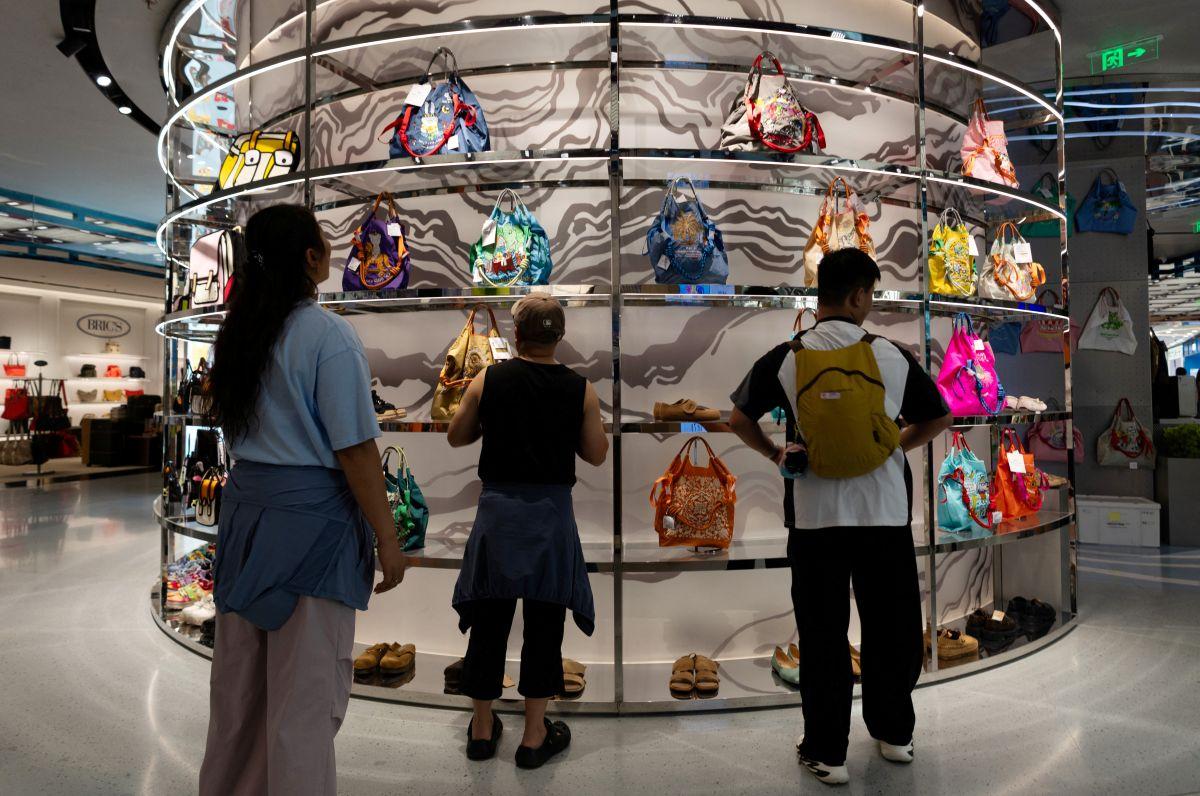
Household consumption remains weak, casting a shadow over promising manufacturing and export numbers. As the country grapples with unbalanced growth, the pressure on Beijing to implement more stimulus measures is undeniable. Yet, many analysts remain skeptical about the upcoming Politburo meeting at the end of July, suggesting that significant changes are unlikely. After all, concerns about soaring debt loom large.
A Dichotomy of Strength and Struggle
On the surface, some positive indicators shine through: retail sales climbed by 1.0% in June, and industrial output surged by 5.3%. However, this signifies a concerning reliance on global demand. Problems from trading partners and the ongoing conflicts—such as the Iran war—intensify the struggle.
Take Jane Hou, for instance, who runs a European goods importing business in eastern China. She shared a heartfelt account of her struggles. “My income has roughly halved since the start of the year,” she said, her voice tinged with frustration. “I haven’t bought a single piece of clothing in six months.” The stark reality of an unoccupied rental apartment shows just how deeply China’s housing oversupply crisis has taken root.
Yet, despite the setbacks, China’s economy managed to grow by 4.7% in the first half of the year, falling within governmental targets. This has led some experts to believe that the urgency for major stimulus might be easing, for now, at least.
The Uneven Growth Story
What’s the real concern? It’s not just the pace of growth; it’s how it’s distributed. Wages haven’t kept up, and in some sectors, they’ve actually declined. Factory layoffs, driven by industrial overcapacity and price wars, have left many scrambling for work. Meanwhile, the property crisis continues to erode household wealth, significantly impacting employment in construction.
Emma Cheng, a 28-year-old nurse in Guilin, shared her story of financial strain. “My income has fallen off a cliff,” she lamented, reflecting a broader trend in the healthcare sector. Gone are the days of gym memberships and the latest tech gadgets; today, every penny counts.
Adding to these woes, fixed-asset investment has shrunk, highlighting a deepening downturn across various sectors. Analysts point out that this rocky terrain underscores a troubling reality: China’s economy is driven more by high-tech export growth than by robust domestic consumption.
Exports Shine, But Risks Lurk
Despite the hardships at home, the export sector has shown resilience. Recently released trade data indicated a remarkable 27% jump in exports, fueled by a global AI boom and retailers in the U.S. rushing to stock up ahead of anticipated tariff hikes.
However, fragility lingers in the trade relationship between the U.S. and China, necessitating caution. The looming tariff shifts present an ever-present risk, and geopolitical tensions with the European Union only add to the uncertainty.
Larry Hu, chief economist at Macquarie Group, notes the implications: “The current situation will change when exports slow.” He emphasizes that only then will the Chinese government be pushed to galvanize domestic demand.
A Community in Lean Times
Amidst the statistics and projections, real people like Jane and Emma are experiencing the gripping realities of economic uncertainty. Their stories reflect a wider struggle—a sense of anxiety about the future, the burden of financial woes, and the dire need for a balanced growth model.
As China stands at this economic crossroads, the world watches closely. The challenges are significant, and the road ahead, though promising for exports, requires a solid strategy to bolster domestic demand and create a more sustainable growth trajectory.
Each number tells a story—of struggle, resilience, and hope. As China seeks its path forward, it becomes clear: addressing consumption and investment is more crucial now than ever. The heart of the economy beats for balance; only time will tell if it finds its rhythm.