


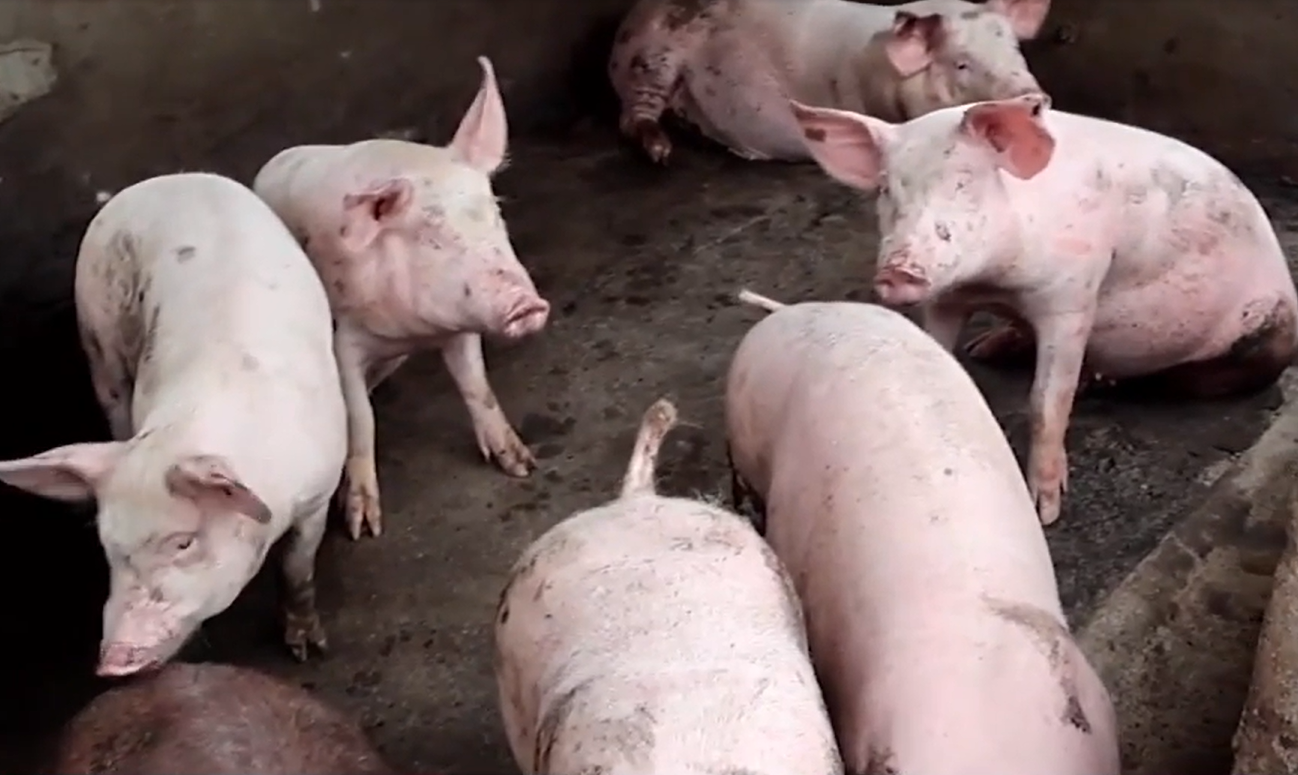
China’s Swine Import Ban: What It Means for the Philippines’ Agriculture
On a Wednesday filled with mixed emotions, the Bureau of Animal Industry (DA-BAI) made an important announcement. China has implemented a ban on importing pigs, wild boar, and related swine products from the Philippines due to concerns over African swine fever (ASF). But before panic sets in, let’s take a moment to understand what this really means for our agricultural trade.
DA-BAI acknowledged the Chinese authorities’ decision, which was widely reported in international media. Reuters detailed that the General Administration of Customs in China had taken this precautionary measure. However, here’s the silver lining: the Philippines currently does not export live pigs or related products to China. Essentially, the ban won’t have an immediate impact on our trade performance—something that is, of course, a relief.
The agency expressed its view on the situation as a matter of “mutual understanding.” Both countries share a strong commitment to biosecurity and disease control measures as they strive to eliminate destructive swine diseases like ASF and Classical Swine Fever (CSF). This isn’t just a challenge for one nation—it’s a shared global responsibility to protect the agricultural supply chain.
Since ASF was first detected in the Philippines back in 2019, DA-BAI has enacted strict movement controls, biosecurity measures, and has even culled infected or exposed animals in affected areas. Their efforts have been relentless, with intensified surveillance in high-risk regions to keep the disease at bay. The bureau is also in full alignment with the World Organisation for Animal Health (WOAH), ensuring that containment measures are up to global standards.
As we navigate through this uncertainty, DA-BAI remains committed to transparency. They promise to keep all stakeholders, including our international trading partners, updated on developments in the local swine industry.
The hope is clear: as health interventions progress and our domestic industry works towards recovery, there lies the promise of safe and robust livestock trade in the future.
This is a moment for collaboration, understanding, and hope. Together, we can look towards brighter days in agriculture, as we fight this battle side by side. As DA-BAI puts it, “We look forward to a future where successful disease management paves the way for safe, robust, and mutually beneficial livestock trade.”
So, let’s stay informed, stay proactive, and together, we can overcome these challenges.