Duterte’s Day in Court: A Turning Point for Justice?
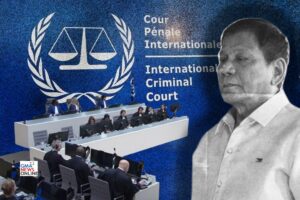
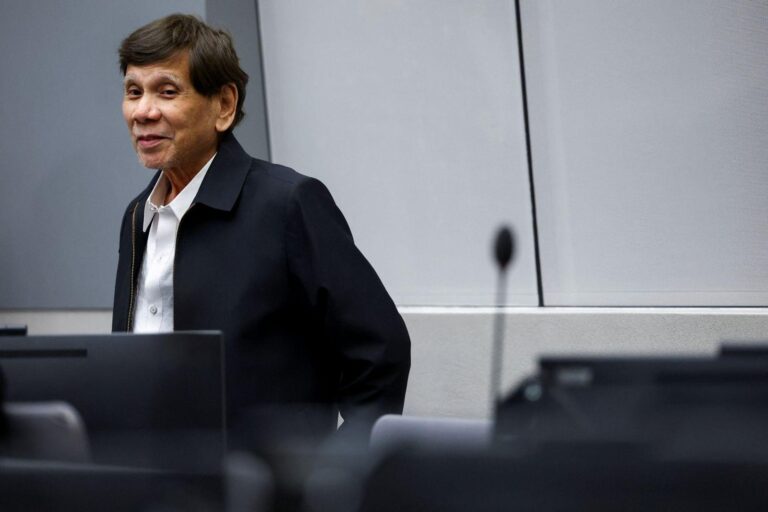
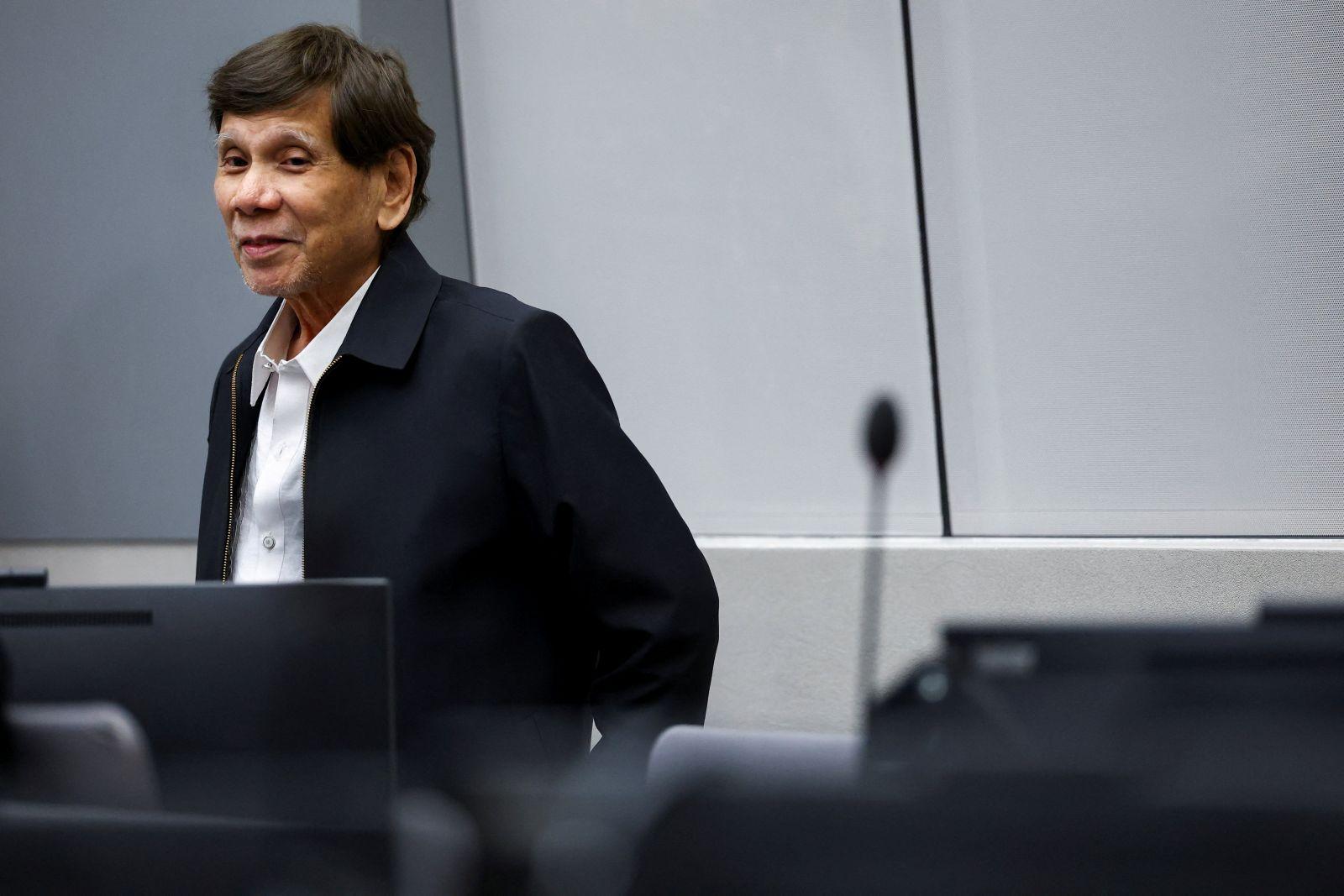
In a moment that felt heavy with history, supporters and families of victims responded to former President Duterte’s first in-person appearance at the International Criminal Court (ICC) last Wednesday. Dressed sharply in a black suit and crisp white shirt, Duterte sat before the court as part of the ongoing preparations for his trial, scheduled to begin on November 30.
This marked a significant step in a long journey for many who have lived in the shadow of the war on drugs Duterte spearheaded. He was arrested and taken to The Hague on March 12, 2025, and just days later, he made headlines again by appearing via video link. This time, however, the atmosphere was different—there was a palpable tension and a fragile hope.
On social media, familiar faces offered their support. Senator Robin Padilla shared photos from the hearing with a simple yet affectionate caption: “Tatay.” Senator Christopher “Bong” Go, who has been by Duterte’s side for over two decades, echoed this sentiment with “Tatay Digong.”
Yet for many, this was not a moment of celebration. Llore Pasco, who lost two sons to Duterte’s brutal drug policies, watched the hearings from Manila. She felt a mix of emotions when she saw Duterte’s face on her screen. “When I saw Duterte’s face, I felt a sense of relief,” she revealed. “Knowing that he is still there in The Hague, he cannot leave. Thank you to the ICC for taking care of Duterte there for us so that we can achieve true justice.”
Her words resonate deeply with countless others who have endured unimaginable pain through this tumultuous chapter in Philippine history. Sally Ramos, a mother devastated by the loss of her son, also expressed her feelings: “We’re just grateful he is finally where he should be. It’s been a long, painful fight for truth and accountability.”
Earlier this year, the ICC judges assessed Duterte’s health and decided he was fit to attend in person, a significant distinction in the proceedings. The charges against him reflect a dark era in the Philippines, with allegations of thousands of extrajudicial killings tied to a campaign that spanned from 2011 to 2019. While police documented approximately 6,200 suspects killed during anti-drug operations, human rights organizations suggest that the true number could be shockingly higher.
Duterte has often insisted that he only instructed police to act in self-defense. Still, the chilling impact of his policies has left scars across communities, with families trembling at the thought of what “justice” might look like in this unfolding saga.
As we await the trial on November 30, the emotional weight of these testimonies reminds us of the urgent need for justice—not just in the context of a courtroom, but for the families whose lives were shattered by violence. In The Hague, under the watch of international scrutiny, the echoes of their pain and resilience will be hard to ignore.
In this gripping moment, we stand at a crossroads, wondering what the future will hold for the Philippines and its quest for truth.