Embracing Home: The Safe Return of OFWs from Qatar
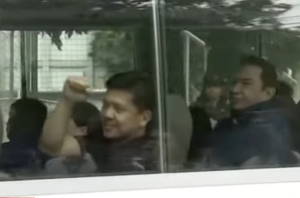
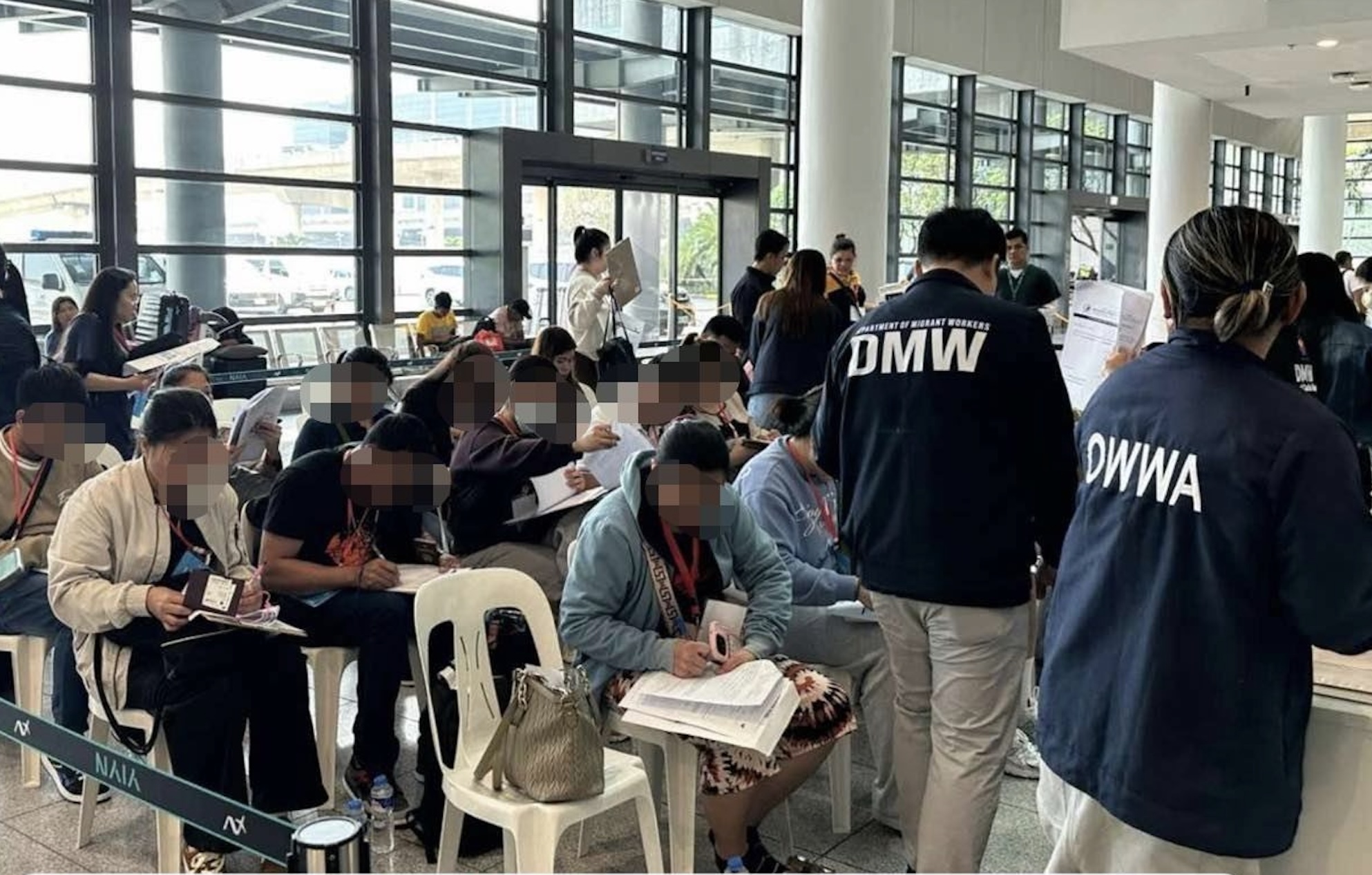
On a heartfelt Saturday, May 16, thirty-four overseas Filipino workers (OFWs) and one dependent finally touched down on familiar soil after their time in Qatar. Their arrival at Ninoy Aquino International Airport (NAIA) Terminal 3 in Pasay City marked not just a return, but a significant moment for them and their families, as they were part of the government’s endeavor to bring home those affected by rising tensions in the Middle East.
The warmth of Filipino hospitality welcomed them as representatives from the Department of Migrant Workers (DMW), along with the Overseas Workers Welfare Administration (OWWA), medical personnel from the Manila International Airport Authority (MIAA), and the New NAIA Infrastructure Corporation, were ready to offer immediate assistance. Imagine the sighs of relief, the hugs, and the gratitude filling the airport as these workers ventured back into their lives.
This return isn’t an isolated event. It’s part of a larger picture. With escalating conflict in parts of the Middle East, many Filipinos found themselves longing for home and seeking assistance to come back. The DMW has been listening. They have received numerous requests for repatriation, all echoing the fears and hopes of those caught in uncertainty.
In response, DMW Secretary Hans Leo Cacdac assured the public that the government is not only aware of the urgency but is ready to act. They have pre-arranged evacuation routes, designated assembly points, and essential transport coordination, all designed to ensure that OFWs can return safely if the situation calls for it. The message is clear: no one will be left behind.
This repatriation effort isn’t just a flight back home—it’s a lifeline. Since March, thousands of OFWs have returned to the Philippines under government-assisted programs, and the support doesn’t stop at the airport doors. The returning workers were met with a warm welcome that included medical aid, financial support, temporary accommodation, and transportation back to their hometowns.
But it doesn’t end there. The government understands the challenges of reintegration. That’s why they offer programs that provide livelihood support, employment assistance, and skills training—tools essential for these brave individuals as they rebuild their lives.
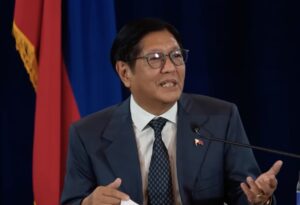
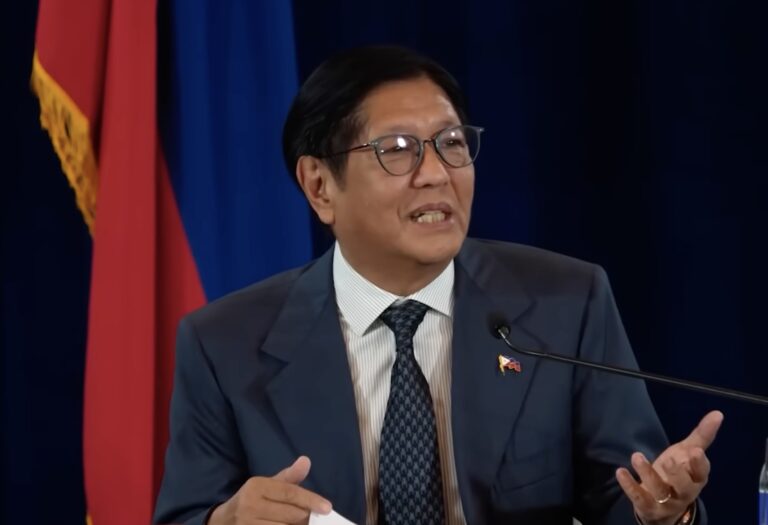
All of these efforts resonate deeply with the administration’s commitment under President Ferdinand Marcos Jr. It’s not just about bringing our people home; it’s about ensuring their long-term welfare and recovery.
As we celebrate these returning heroes, let’s remember that every journey home is filled with stories, sacrifices, and dreams. Let’s continue to support our OFWs as they transition back into the warmth of their families and communities. After all, it’s not just about safety; it’s about rebuilding hope and forging a brighter future together.