


It may look like just numbers.
But for millions of Filipinos… this is real life.
This is groceries. Rent. Remittances. Dreams.
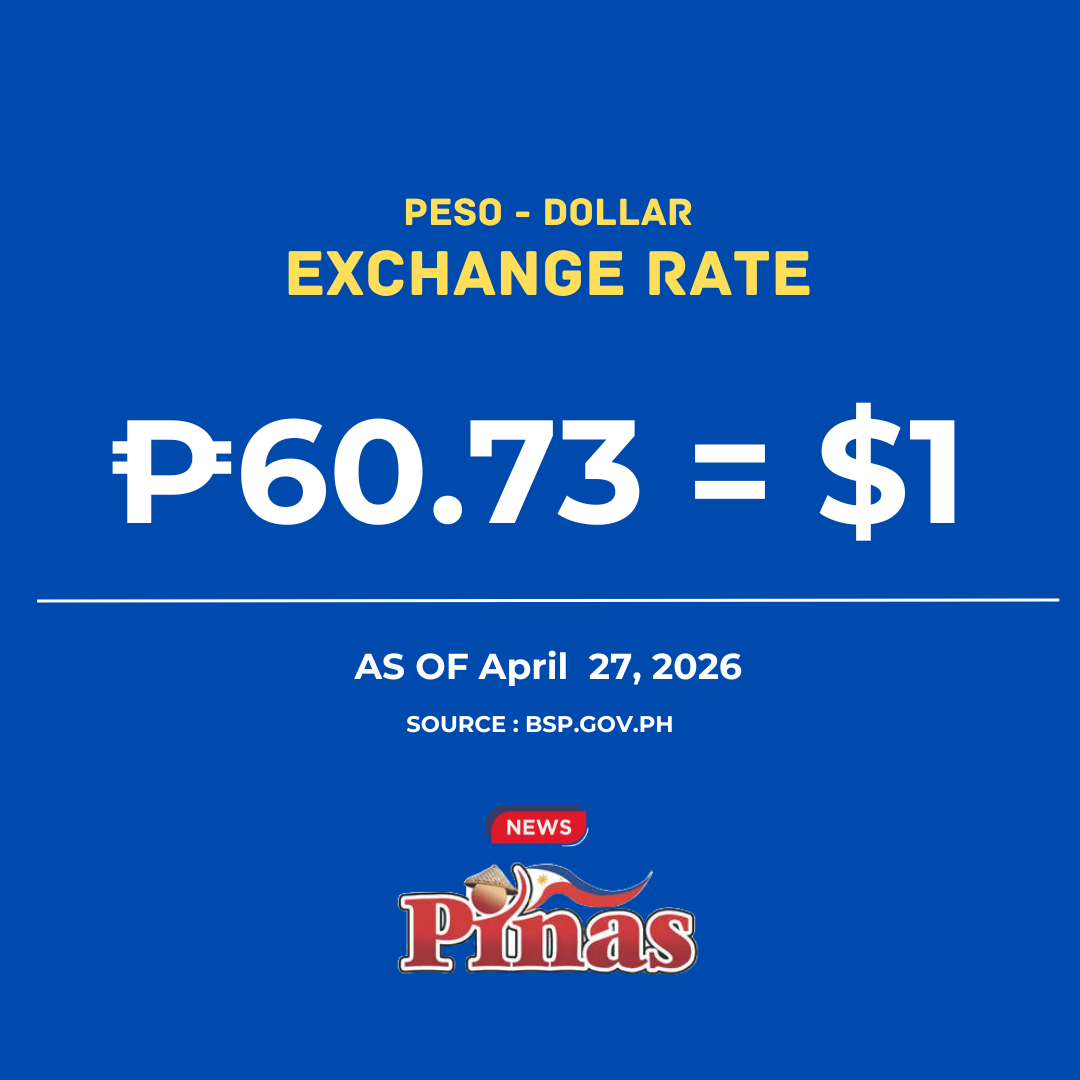
As of April 27, 2026, the Philippine peso stands at:
₱60.73 for every 1 US dollar.
Pause for a second.
That means every dollar coming in… stretches a bit more.
But every dollar you need to pay? It costs more.
And that quiet tension… is felt across households, businesses, and OFWs worldwide.
The Big Picture: Peso vs the World
The US dollar remains strong — and the peso continues to adjust around it.
But it’s not just about the dollar.
Let’s take a closer look at how the peso is performing against the world’s top currencies — and what it really means.
💵 US Dollar (USD) — ₱60.73
The global benchmark.
When the dollar moves… everything follows.
For OFWs, this is often good news.
For import-heavy businesses? Not so much.
💷 British Pound (GBP) — ₱82.10
One of the strongest currencies today.
If you’re earning in pounds… you’re in a powerful position.
If you’re spending in it? It stings.
🇪🇺 Euro (EUR) — ₱71.13
Still steady. Still influential.
The euro sits between stability and pressure — and the peso continues to trail behind.
🇨🇭 Swiss Franc (CHF) — ₱77.38
A “safe haven” currency.
In times of uncertainty, money flows here — and today, it shows.
🇸🇬 Singapore Dollar (SGD) — ₱47.59
A key regional player.
Strong, stable, and closely watched by Filipino workers in Singapore.
🇦🇪 UAE Dirham (AED) — ₱16.54
Important for OFWs in the Middle East.
Every dirham counts — especially during uncertain times.
🇸🇦 Saudi Riyal (SAR) — ₱16.19
Another lifeline currency.
Remittances from Saudi Arabia continue to support thousands of Filipino families.
🇭🇰 Hong Kong Dollar (HKD) — ₱7.75
Stable… but closely tied to the US dollar.
Its movement mirrors the bigger global picture.
🇨🇦 Canadian Dollar (CAD) — ₱44.39
A favorite destination for Filipinos.
Strong enough to matter — steady enough to trust.
🇦🇺 Australian Dollar (AUD) — ₱43.38
Slightly softer, but still valuable.
For students and workers in Australia, every peso conversion still counts.
🇯🇵 Japanese Yen (JPY) — ₱0.38
Still weak compared to others.
Good for travelers… but less impactful for earnings.
🇨🇳 Chinese Yuan (CNY) — ₱8.89
A major trade currency.
Its movement quietly affects prices of goods in the Philippines.
🇰🇷 Korean Won (KRW) — ₱0.041
Small in value… but big in influence.
Especially in trade and cultural exports.
🇹🇭 Thai Baht (THB) — ₱1.88
Closer to home.
Regional competition makes this currency worth watching.
🇮🇩 Indonesian Rupiah (IDR) — ₱0.0035
Lower in value… but part of the bigger ASEAN picture.
What This Means — Beyond the Numbers
This isn’t just about exchange rates.
It’s about how far your money goes… or doesn’t.
When the peso weakens:
- Imported goods get more expensive
- Travel costs rise
- Businesses feel pressure
But there’s another side.
OFWs sending money home?
They gain more value for every dollar, dirham, or riyal.
A small relief… in a complicated system.
A Quiet Reality We All Feel
Currencies don’t shout.
They don’t make headlines every day.
But they move quietly — shaping everyday life.
From the price of fuel…
To the cost of food…
To the money families receive from abroad.
And today, April 27, 2026 — the message is clear:
The dollar is strong.
The peso is holding… but feeling the pressure.
And for millions of Filipinos —
Every centavo still matters.