

Miracles in the Philippines: A Journey of Faith and Hope
As we travel home, whether through long winding roads or bustling highways, our hearts begin to reflect. During this season of rituals like Visita Iglesia, many of us turn our thoughts to prayer and contemplation. In the Philippines, there are sacred places filled with inspiring stories of miracles—stories that, while not officially sanctioned by the Church, continue to shine brightly in the hearts of countless devotees seeking hope.
One such remarkable site is the National Shrine of the Divine Mercy nestled in Marilao, Bulacan. This shrine isn’t just a building; it’s a beacon of faith. The story of its creation is as poignant as the miracles it is said to house. It was largely established through the unwavering dedication of Fr. Vic Robles, who found a calling after witnessing the powerful 3 o’clock prayer on television in 1991. Captivated and inspired, he began sharing the message of Divine Mercy within his parish.
Despite facing many hurdles, Fr. Robles pursued his dream of building a shrine dedicated to this divine message. By 1994, the church was completed and officially became a parish—a cornerstone for the local faithful. Just a year later, it played a significant role during World Youth Day 1995, welcoming pilgrims and young believers from around the globe.
The shrine’s journey didn’t stop there. Its significance grew so much that on January 26, 2001, it was elevated by Orlando Quevedo, then head of the Catholic Bishops’ Conference of the Philippines. The formal proclamation resonated with many on November 30, 2002.
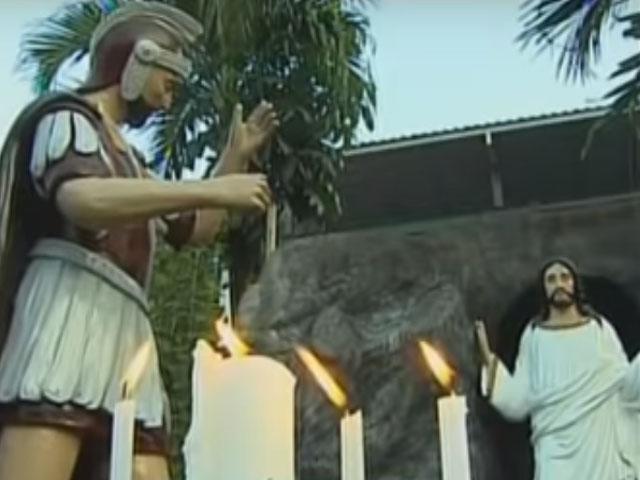
One of the most magical features of this place is the Grotto, which is famed for its miraculous water believed to heal. Although no formal investigation by the Church has authenticated these claims, as noted by Labisig, this hasn’t dampened the hope or faith of those who visit. “The absence of formal recognition,” Labisig emphasizes, “does not invalidate the personal experiences of those who have encountered miracles here.”
It’s beautifully stated that the Catholic Church approaches these claims with a balanced heart. It neither fully endorses nor outright condemns individual testimonies of miracles. Instead, it encourages a spirit of discernment, reminding us that authentic miracles undergo thorough examination—spanning theological, scientific, and canonical scrutiny.
In a country where devotion runs deep, these shrines emerge as sacred spaces where faith blossoms. Labisig points out how they are not just about reported miracles; they encapsulate the essence of living faith. “They inspire prayer, conversion, and a deeper trust in God,” he explains, highlighting that the journey towards faith is often as important as the miracles themselves.
In the end, we are reminded that these holy sites serve as living testimonies of hope—and the unbroken bond between the Filipino people and their God. As we reflect on our own journeys, we can find comfort in the stories held within these walls, knowing that every prayer and every flicker of faith is a step toward a miracle, whether seen or felt.
So, as you make your way home this season, let these stories of devotion and hope inspire you, filling your heart with peace and a renewed sense of faith. Each journey, after all, is not just about the destination, but the shared stories, the quiet prayers, and the miracles that come alive in our hearts.