Reviving Flood Control Funding: A Call for Change and Accountability
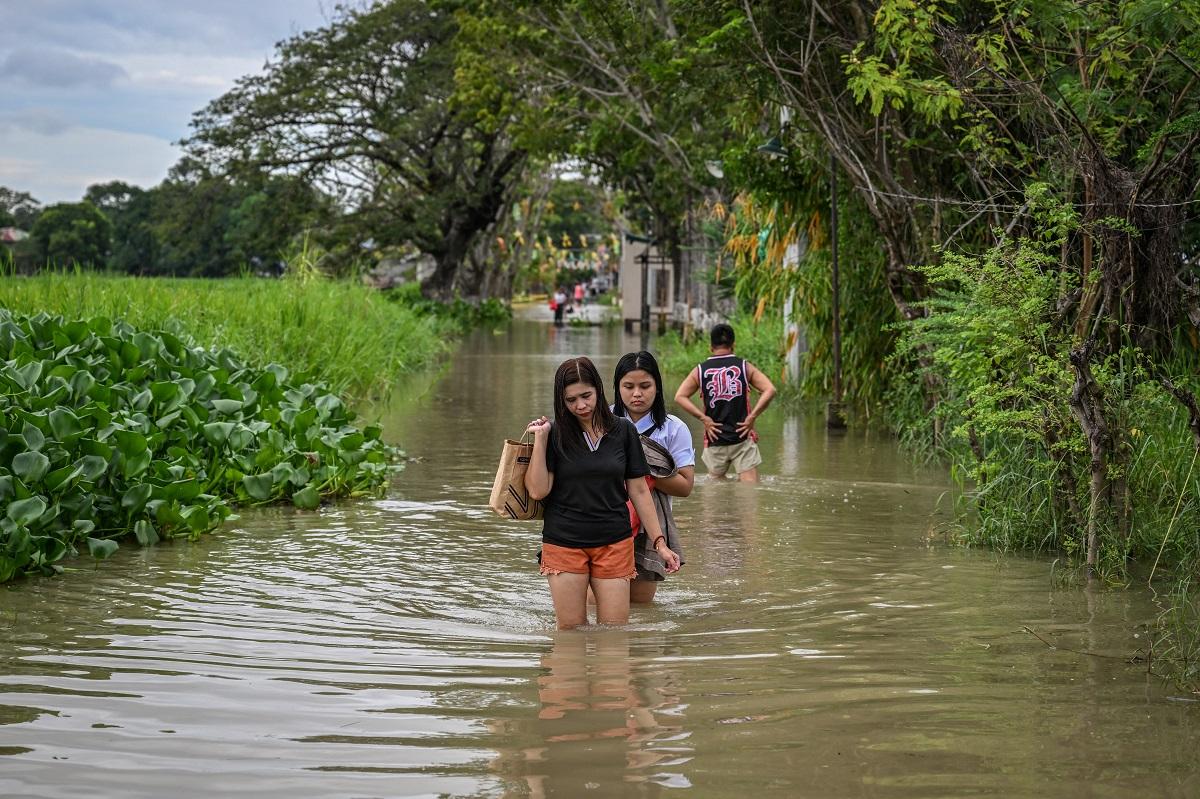
In the wake of rising concerns about climate change and extreme weather, a group of representatives from the House of Representatives is championing the vital need for flood control funding in the upcoming 2027 national budget. With memories of devastating floods lingering in the minds of many, the urgency is palpable.
“Funding for flood mitigation infrastructure is crucial,” said House Deputy Speaker Paolo Ortega during an interview on Monday. He pointed out that it has been over a year since any significant flood mitigation projects were initiated. With today’s technologies at hand, he believes it’s time to revisit these essential projects. “It would be good to revive these initiatives,” he emphasized, “to effectively protect our communities.”
Just a day prior, the Department of Budget and Management presented the proposed budget for fiscal year 2027 to President Ferdinand “Bongbong” Marcos Jr. House Deputy Speaker Janette Garin shared insights during the press conference that followed. She called on citizens to remain vigilant as they approach flood control measures, especially since previous allocations for flood projects were marred by issues like substandard construction and fraudulent reports of ghost projects.
Ortega highlighted Project NOAH, an imperative tool for mapping flood-prone areas, landslides, and storm surges, harnessing drone technology for newfound efficiency in project identification. “We need to discuss these issues and ensure effective implementation without compromising the functionality of our infrastructure,” he stated, suggesting that prioritization should be based on risk levels in different zones.
When asked about the potential for including funding for flood control in the proposed 2027 budget, Ortega expressed optimism. “I believe there will be funding, but the journey from proposal to approval will require thorough vetting and documentation.” The approval process, he noted, is designed to ensure that only the most necessary and effective projects move forward.
In his commitment to flood safety, Ortega identified several priority projects in La Union, including a spillway bridge and larger drainage systems. “There’s a strict process,” he explained, “and it must pass through multiple levels of scrutiny.”
Marikina City’s Representative Miro Quimbo echoed the same sentiment. “Flood control is crucial. It’s how we’ve kept Marikina safe,” he affirmed. “However, it’s not just about having flood control programs; it’s about how we implement them.” Quimbo likened effective flood control to responsible use of weapons—beneficial in the right hands, but potentially dangerous if mismanaged.
Quimbo stressed the importance of transparency and accountability in funding these projects. “We must identify who is proposing amendments to the budget,” he urged, explaining that doing so will allow representatives to answer for the success or failure of these initiatives.
On a different note, ACT Teachers Party-list Representative Antonio Tinio acknowledged the necessity of flood control projects but pointed towards a need for reform. “Our funding processes need to change,” he advocated, emphasizing that piecemeal funding is inadequate for comprehensive flood control solutions. Instead, he called for multi-year, fully funded approaches to these critical projects.
Tinio also raised an important question: What would the return of flood control funding mean for social services? “We need to keep an eye on how this will affect education and health budgets,” he warned, contemplating the balance between infrastructure and essential services.
As the discussions unfold, one thing is clear: the call for funding flood control projects is not just about infrastructure; it’s about safeguarding lives and communities. The representatives, armed with awareness and urgency, are urging a united front to ensure that this vital funding is allocated wisely and transparently, paving the way for a safer future for all.
In the face of adversity, it’s crucial that we stand vigilant, advocating for the changes needed to protect our homes and loved ones. Together, we can ensure that our communities are resilient and prepared for the challenges that lie ahead.