

Safe Return: Filipino Seafarers’ Journey from Danger to Home
On a night filled with relief and gratitude, fourteen brave Filipino seafarers touched down in Manila after an experience that no one could ever anticipate. Just days prior, they were aboard the Saudi-flagged oil tanker, Sidr, navigating the treacherous Strait of Hormuz when an attack erupted. This harrowing incident occurred on August 31, casting a shadow over their mission and turning a routine passage into a nightmare.
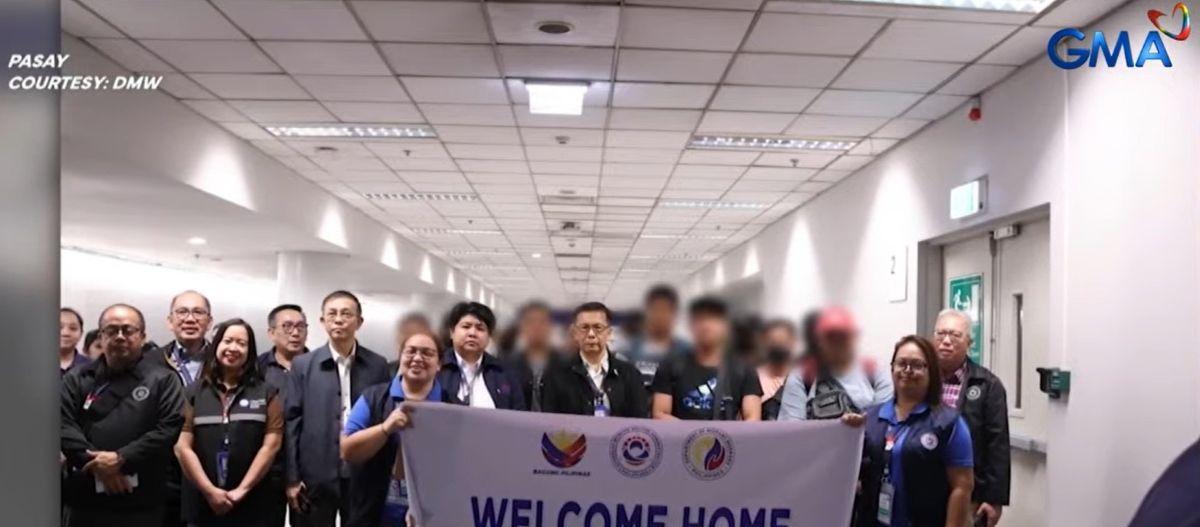
As they arrived back home on a Tuesday night, the atmosphere was charged with emotion. Officials from the Department of Migrant Workers (DMW) and the Overseas Workers Welfare Administration (OWWA) were waiting to greet them, their commitment to ensuring the seafarers’ well-being palpable. OWWA Administrator Patricia Yvonne Caunan emphasized, “What matters most is their reunion with family. It’s crucial they have someone to talk to during these overwhelming days, and we’ll provide them with the necessary medical care and psychosocial support.”
The officials couldn’t have been more right. After enduring such a traumatic ordeal, these men needed a safe space to heal, to embrace their loved ones, and share their feelings. They were not just returning from abroad; they were coming back from the brink of fear.
DMW Secretary Hans Leo Cacdac highlighted the broader challenge for Filipino seafarers, noting that nearly 2,000 have safely exited the Strait, leaving many to ponder how they could be next. He conveyed the shock felt across communities, “The attack on the Sidr was unexpected. These men were doing their jobs, just like so many others before them, hoping for a safe passage.”
Yet, this incident raised critical questions. The DMW announced an investigation into the seafarers’ manning agency. Did they violate regulations by sending the crew into such a perilous area? Cacdac promised accountability, stating, “We will look into whether the manning agency respected their right to refuse to sail into high-risk zones. If there were violations, there will be consequences.”
Amidst the relief for the returning seafarers, there’s a heart-wrenching sorrow for two souls who did not make it home. The DMW confirmed they are working to repatriate the remains of the two Filipino seafarers who tragically lost their lives during the attack. Plans are in motion to bring them back within the week, a somber task that weighs heavily on everyone’s hearts.
President Ferdinand “Bongbong” Marcos Jr. directed relevant agencies to support the grieving families left behind, ensuring they would not face this painful loss alone. Meanwhile, Jebsen PTC, the manning agency involved, expressed deep condolences and committed to working closely with the families and relevant authorities to navigate the repatriation process.
Among those lost was a young seafarer named Rod, just 28, who was unaware of the risks posed by their route. His family revealed that the original mission was to be in Europe—how could they have known they were sailing into danger when Rod only discovered the destination after boarding?
This tragic narrative serves as a reminder of the realities faced by many seafarers, who bravely navigate not just the world’s oceans, but also the complexities of safety and job security.
As these fourteen seafarers reunite with their families, their journey—from the heat of conflict back to the embrace of home—is a story of resilience. They are not just survivors; they are symbols of courage, forever changed by their experience yet filled with hope as they begin to heal. Every story they share, every tear they shed, is part of a collective journey that connects families, communities, and a nation that stands behind them.