Tragedy Strikes Venezuela: A Nation in Mourning
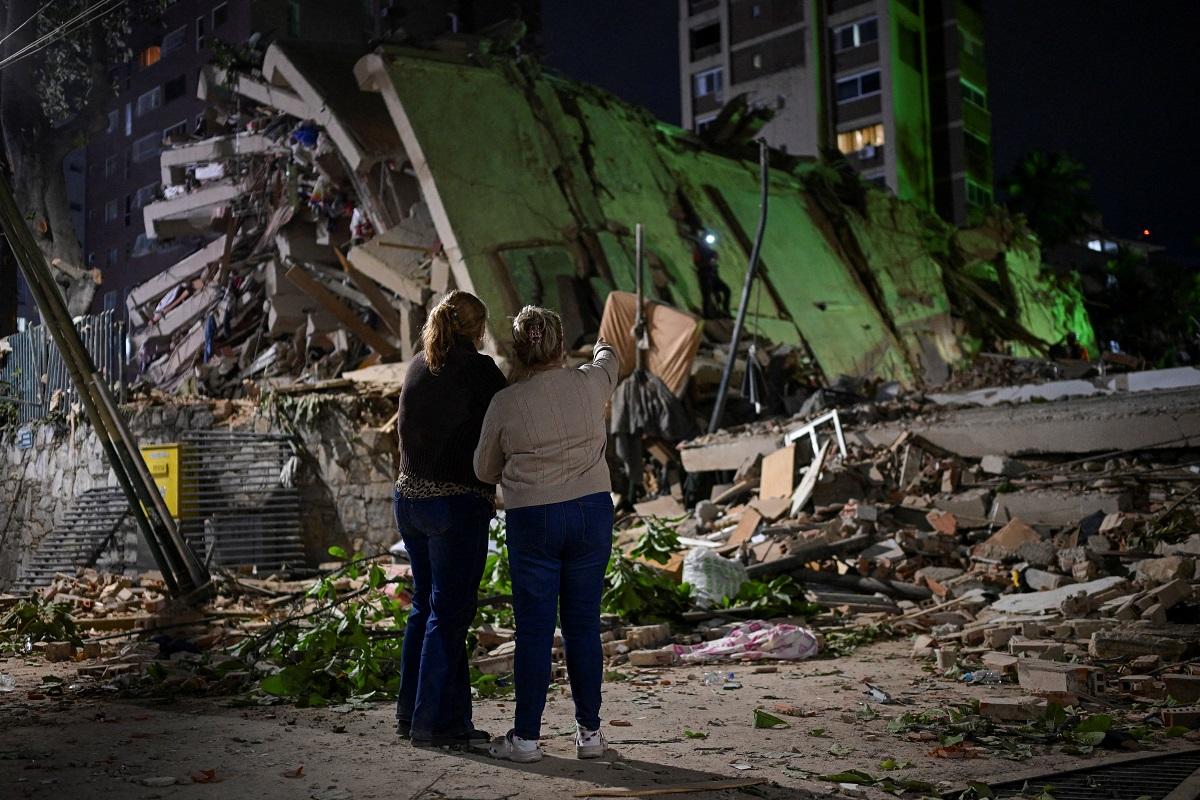
Caracas — A dark cloud has settled over Venezuela as the nation grapples with the aftermath of a devastating earthquake that struck near the capital on Thursday. Thousands are feared dead, buried under the debris of collapsed buildings, while others are desperately searching for loved ones as powerful aftershocks continue to shake the region.
The earth trembled violently, registering a magnitude of 7.2 just 160 kilometers west of Caracas. This was soon followed by a 7.5 tremor, leaving at least 32 confirmed dead and over 700 injured, according to the U.S. Geological Survey. With the sun setting, emergency workers raced against time to dig through the rubble, their hearts heavy with despair.
As night fell, the cries of distraught family members echoed through the streets. Maria Alejandra, a resident who witnessed the horror firsthand, described the chaos: “When we went downstairs, it was like a scene from a horror movie. We climbed over debris, desperate for a way out. Only one family managed to escape from my building.”
Interim President Delcy Rodriguez delivered grim news, stating that at least 164 people are confirmed deceased. But this number barely scratches the surface of the tragedies unfolding, particularly in La Guaira state, home to the city’s main airport. Witnesses shared harrowing images of ceilings collapsing and lives upended. “La Guaira state is a true tragedy,” Rodriguez said solemnly. “We are working tirelessly to save as many lives as possible.”
The situation is desperate. The U.S. Geological Survey predicts that the death toll could climb into the thousands, with many people unaccounted for. A website designed to track missing persons reported over 10,000 individuals still untraceable early Thursday morning.
As the earthquake struck during a public holiday, many Venezuelans were at home, caught off guard. “It was a loud crash, followed by everything in the house shaking,” recalled 56-year-old Coro Martinez from eastern Caracas, his voice shaky with emotion. “I’ve never experienced anything like it.”
Aftershocks continued to rattle the ground, intensifying the panic. President Trump extended an offer of assistance, stating, “The situation in Venezuela is devastating, and we stand ready to help.” Leaders worldwide, including those from Brazil, El Salvador, and Spain, voiced their condolences and readiness to assist in any way they could.
Across the capital, frightened residents fled their homes, many recounting the terror. “We began hearing screams,” said 41-year-old Astrid Ramirez. “Everyone was running for the exits.” Even 80-year-old Maria Romero, with the help of police, was evacuated from her home. “This earthquake was worse than the one in 1967,” she said, her voice filled with sorrow.
As hospitals braced for an influx of injured, staff at the Hospital de Clinicas prepared to double their efforts. Classes were canceled, and assessments of the damage began immediately. The Venezuelan Red Cross reported significant damage to its headquarters but is mobilizing rescue teams to the hardest-hit areas.
Despite the devastation, there has been no immediate impact on the country’s oil infrastructure, though concerns linger about the potential for power loss affecting crude output. Civil protection authorities in the oil-rich region of Maracaibo have reported no casualties there, but the future remains uncertain.
The devastation left in the wake of this earthquake is staggering, yet in this trying time, the resilience of the Venezuelan people shines through. As the nation mourns, a call for solidarity resonates, pushing everyone forward amidst the rubble and heartache.
The journey to recovery may be long and arduous, but hope still lingers in the hearts of the Venezuelan people—not just for today, but for a brighter tomorrow.