


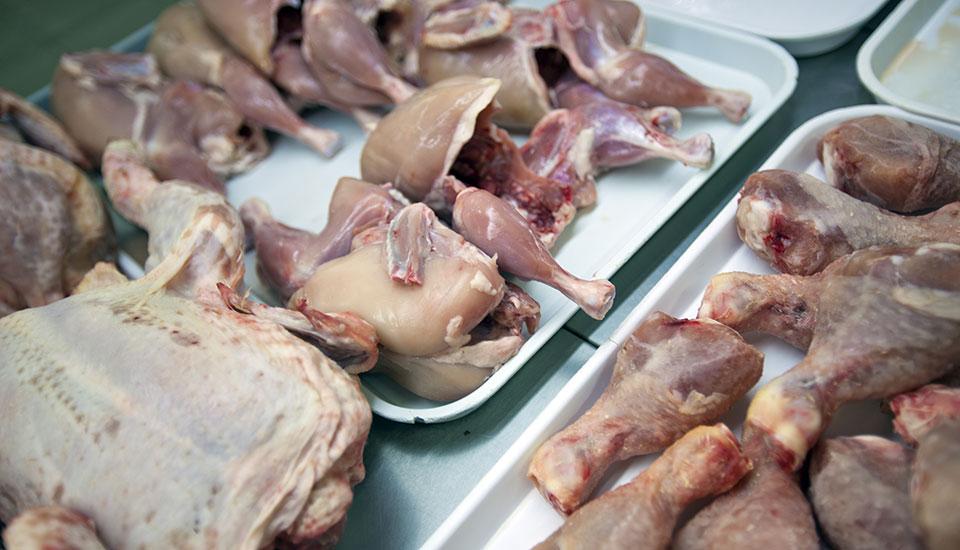
Rising Chicken Imports: Meeting the Demand for a Growing Nation
In a world where culinary preferences are constantly evolving, the demand for chicken meat is soaring. According to the United States Department of Agriculture (USDA), imports of chicken meat into the Philippines are set to rise dramatically, predicted to reach a staggering 780,000 metric tons by 2027. This increase is primarily driven by bustling sectors in food manufacturing and the ever-thriving food service industries.
A Surge in Demand
The USDA’s report highlights a 14.7% increase in import volume for 2027, compared to an estimated 680,000 tons in 2026. Think about it: as our population grows and the economy strengthens, our appetite for chicken continues to expand. This excitement for poultry isn’t just about food; it’s about feeding families, celebrating traditions, and enjoying meals together.
Brazil Takes the Lead
Interestingly, a significant chunk of this growth is set to come from Brazil, which is expected to dominate the market with its chicken imports. The USDA notes that Brazil has a price advantage over other suppliers, making it the go-to source for many in the Philippines.
“Imports from Brazil are projected to capture most of the Philippine market,” the report states. Industry insiders have pointed out that Brazil’s competitiveness, particularly when compared to sources like the United States, the European Union (EU), and Canada, is hard to overlook.
While Brazil basks in the spotlight, the US remains the Philippines’ second-largest chicken meat supplier, followed by significant contributions from Poland, other EU countries, and Canada. However, as Brazil continues to expand its market share, the overall contribution from these other countries may begin to wane.
A Bright Future Amid Challenges
The anticipated growth in chicken imports also points to a proactive approach by the Philippine Department of Agriculture (DA). With new regionalization agreements with countries like the Netherlands, the United Kingdom, Belgium, and Chile, the landscape for imports looks promising. These agreements allow for a more selective approach to regulating imports.
“The DA’s agreements mean imports from the UK and Chile are expected to rise, lifting restrictions that previously limited their import volumes,” the USDA mentions. Instead of imposing nationwide bans on entire countries affected by avian influenza, these targeted regional bans help expand the pool of eligible suppliers, ensuring a steady flow of chicken meat.
Navigating Through Adversity
Nevertheless, it’s worth noting that the Philippine government had to impose restrictions on poultry imports from specific regions, such as Indiana in the United States, due to outbreaks of avian influenza. Such challenges highlight the delicate balance between ensuring food safety and meeting the rising demand for chicken.
In conclusion, as we look ahead to 2027, the rising imports of chicken stand as a testament to our ever-growing appetite and the complexities of global trade. It’s not just about numbers; it’s about the meals that bring us together. And as the market evolves, so does our culinary journey, offering opportunities for diverse flavors and delicious experiences.
Let’s embrace this exciting chapter in the world of food, where every bite tells a story of growth, resilience, and the spirit of community. 🍗❤️