
A Case of Redemption: Maria De Leon’s Journey Through the Legal Maze
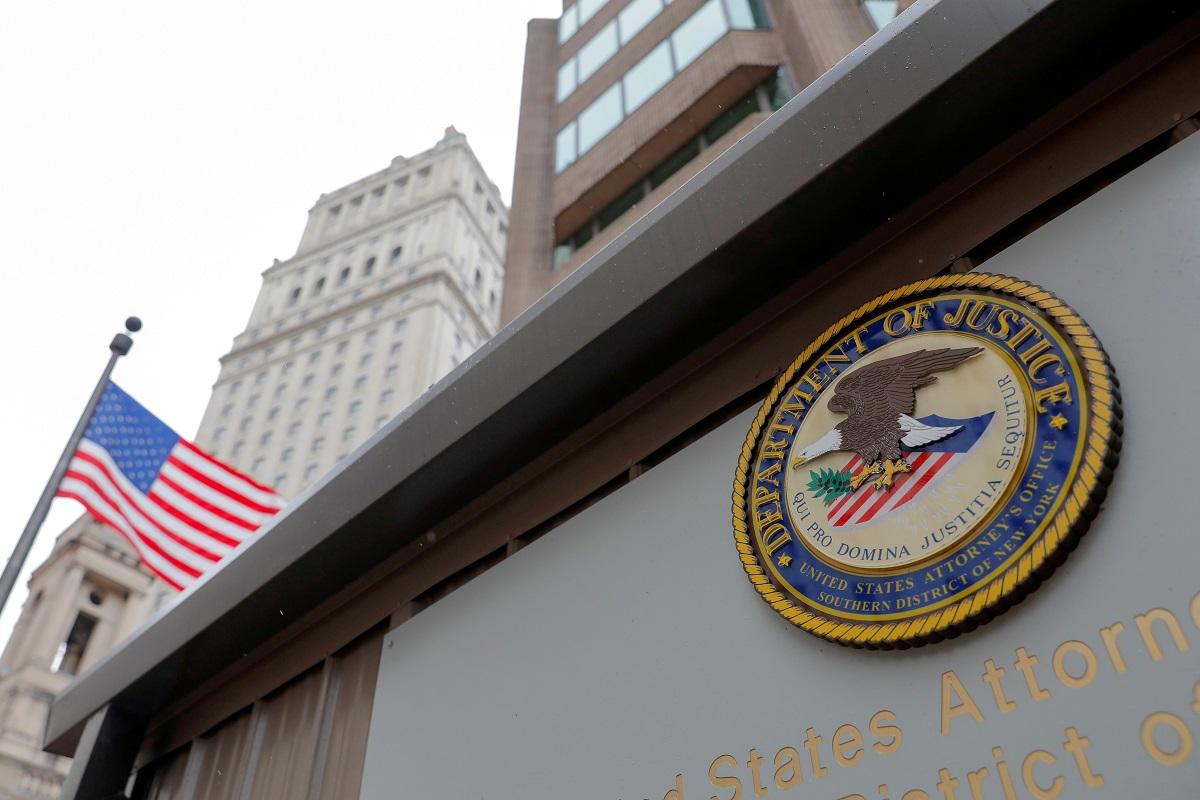
NEW YORK — In a courtroom filled with tension, a story of complexity and emotion unfolds. It’s the story of Maria De Leon, a paralegal and notary whose role in a controversial case has led prosecutors to advocate for a lighter sentence. Why, you may wonder? It all comes down to her willingness to assist in the prosecution of individuals tied to the Kingdom of Jesus Christ (KOJC), a religious organization led by Pastor Apollo Quiboloy.
The Heart of the Matter
From 2013 to January 2020, the air was thick with allegations. It was during this time that De Leon processed fraudulent immigration documents for members of KOJC, enabling them to stay in the United States illegally. The convoluted scheme? It involved sham marriages arranged between KOJC members and U.S. citizens—all orchestrated by co-defendants Guia Cabactulan, Amanda Estopare, and Marissa Duenas.
Imagine this: People were walking down the aisle, their vows nothing more than a façade, playing into a system designed to deceive. De Leon, who ran Liberty Legal Document Service in Los Angeles, wasn’t a member of the church. Yet, she became embroiled in a web of legal and moral turmoil, filing at least nine fraudulent immigration petitions and notarizing divorce documents without the required physical presence.
The Weight of Justice
When the dust settled, federal prosecutors recognized De Leon’s unique position. They saw beyond her alleged misdeeds. They acknowledged her significant cooperation in the investigation, which shone a light on the deeper workings of this religious organization. As she sat in multiple meetings with investigators, she offered crucial insights that helped to unravel a vast operation.
De Leon’s cooperation wasn’t just timely; it bore the weight of honesty and bravery—a spark of light in a dark situation. In recognizing this, prosecutors decided to recommend a five-level downward departure from the standard sentencing guidelines.
Sentencing: A Turning Point
Initially, the U.S. Probation Office estimated her sentencing range to be between 10 to 16 months, suggesting a year of probation. But the story doesn’t end there. Prosecutors felt differently, arguing that the appropriate sentencing should range from 0 to 6 months since the plea agreement only involved nine fraudulent petitions—well below the threshold for harsher penalties.
Their plea? A request for a sentence of time served. Time that could lead to a fresh start, a second chance at life without the heavy shackles of supervision after release, and a modest $100 special assessment fee.
The Final Chapter Awaits
As the courtroom awaits its next steps, all eyes will be on the hearing scheduled for May 18, 2026. This isn’t merely a legal proceeding; it’s a moment that holds the potential for redemption—a chance for De Leon to reclaim her narrative.
Quiboloy’s representatives hastily asserted that De Leon had no formal or personal ties to KOJC, perhaps hoping to distance their leader from the tangled mess. Yet as the legal battles continue, it’s clear that the implications of this case ripple far beyond the courtroom.
Maria De Leon’s story isn’t solely about legal ramifications; it’s a poignant reminder that sometimes, the road to justice is paved with difficult choices and moral complexity. In this tangled web of faith, law, and personal journey, will she find redemption? The future remains uncertain, but one thing is clear: her choices have set the stage for a gripping saga that beckons us all to look a little deeper into the human experience.