The quiet of a Friday in Syria didn’t last long.
In a massive display of military might, the United States launched a wave of retaliatory strikes against more than 70 Islamic State targets. This wasn’t just a routine operation; it was a loud, clear response to a tragedy that struck just days before.
The Spark: A Betrayal in Palmyra
The story begins last Saturday in the historic town of Palmyra. A convoy of American and Syrian forces was moving through the area when they were ambushed.
The attacker? A member of the Syrian security forces—someone who was supposed to be a partner. He was later suspected of being an ISIS sympathizer. In that moment of betrayal:
-
Two U.S. Army soldiers (Sgts. William Howard and Edgar Torres Tovar) lost their lives.
-
A civilian interpreter (Ayad Mansoor Sakat) was killed.
-
Three other soldiers were left wounded.
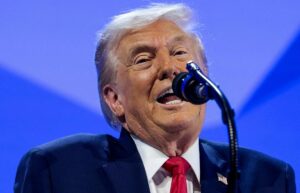
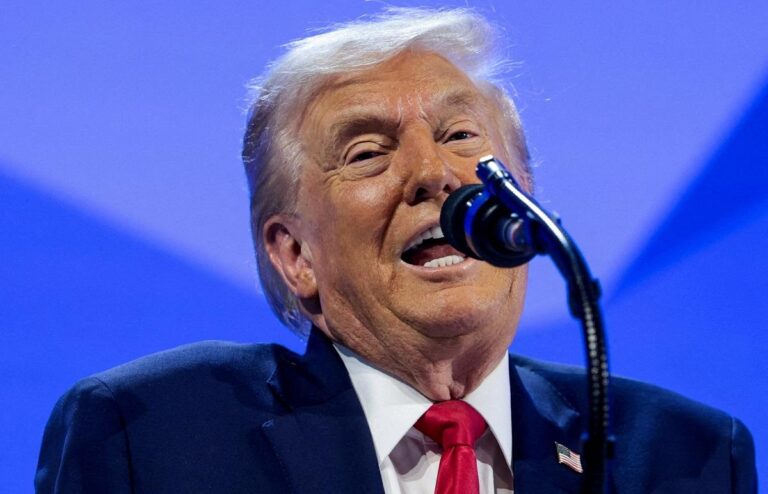
For President Donald Trump, the response was non-negotiable. He promised the families of the fallen that retaliation would be “very serious.”
“We Hunted and We Killed”
By Friday, that promise was kept. The U.S. military unleashed Operation Hawkeye Strike.
Defense Secretary Pete Hegseth didn’t mince words when describing the mission. Standing firm, he made a distinction that resonated across the globe:
“This is not the beginning of a war—it is a declaration of vengeance. Today, we hunted and we killed our enemies. Lots of them. And we will continue.”
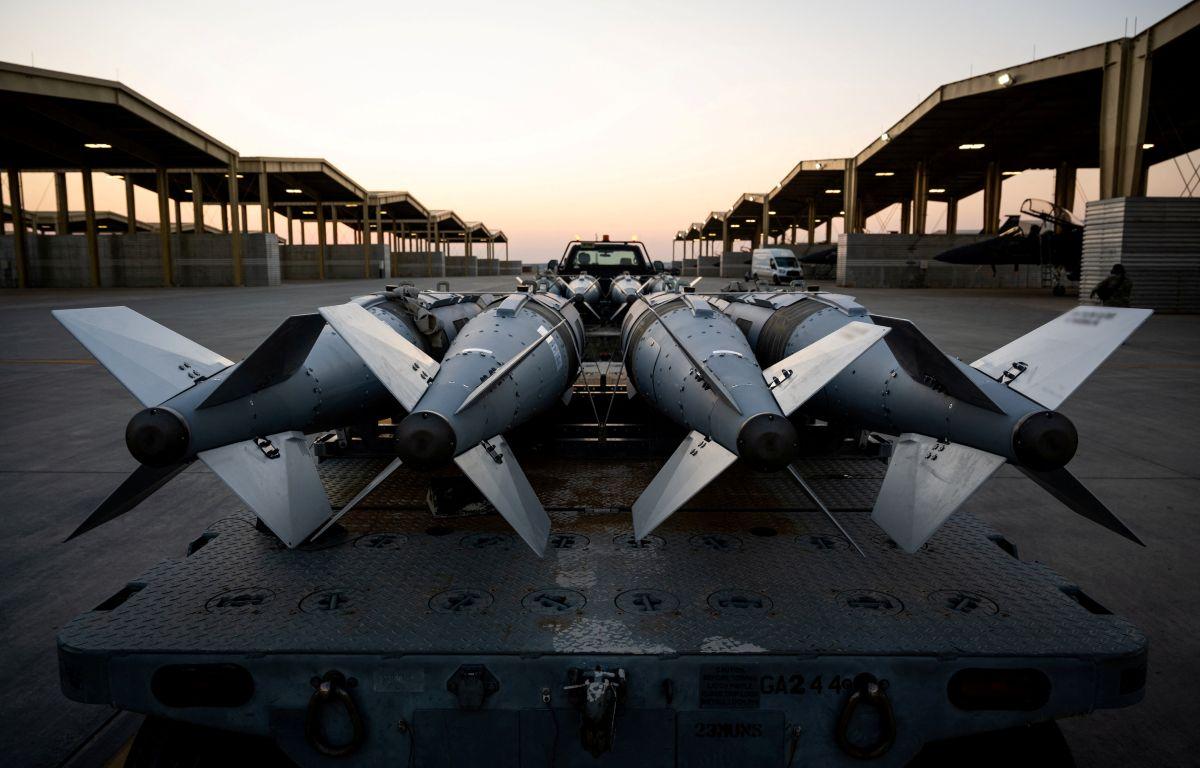
The operation was a coordinated hammer blow. U.S. F-15 and A-10 jets, Apache helicopters, and HIMARS rocket systems lit up the central Syrian desert. Even Jordanian fighter jets joined the fray, proving that the U.S. isn’t standing alone in this fight.
An Unlikely Alliance
The landscape of this conflict has shifted dramatically. Just last year, Syria saw the fall of the Assad regime after 13 years of civil war. Today, the country is led by former rebels—including some who once fought in Al Qaeda branches but have since broken away to fight ISIS.
In a move that would have seemed impossible years ago, Syrian President Ahmed al-Sharaa visited the White House last month to solidify a partnership with the U.S.
Today, that partnership is being tested by fire. The Syrian government fully supported these strikes, reiterating its “steadfast commitment” to ensuring ISIS has no “safe havens” left on their soil.
The Road Ahead
While the “massive blow” dealt on Friday was successful, the reality on the ground remains tense. About 1,000 U.S. troops are still stationed in Syria, working daily to prevent the resurgence of a group that thrives on chaos.
As the smoke clears over the 70 destroyed sites, the message from Washington remains the same: If you target Americans, there is no corner of the desert where you can hide