
The world was holding its breath… and the clock was ticking down.
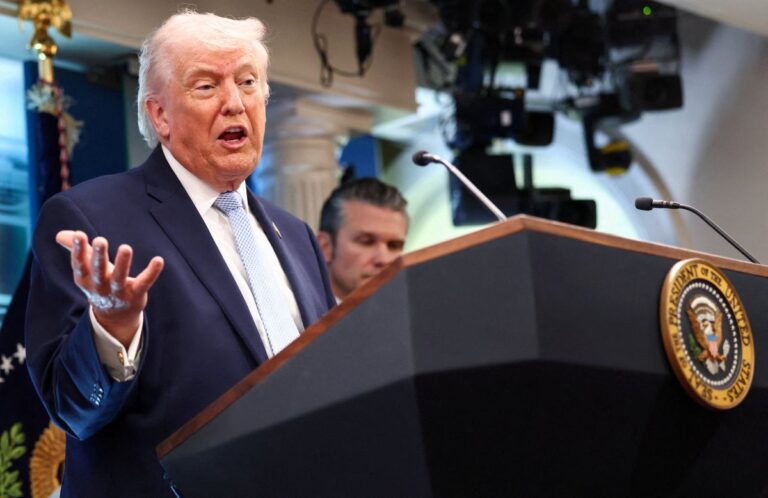
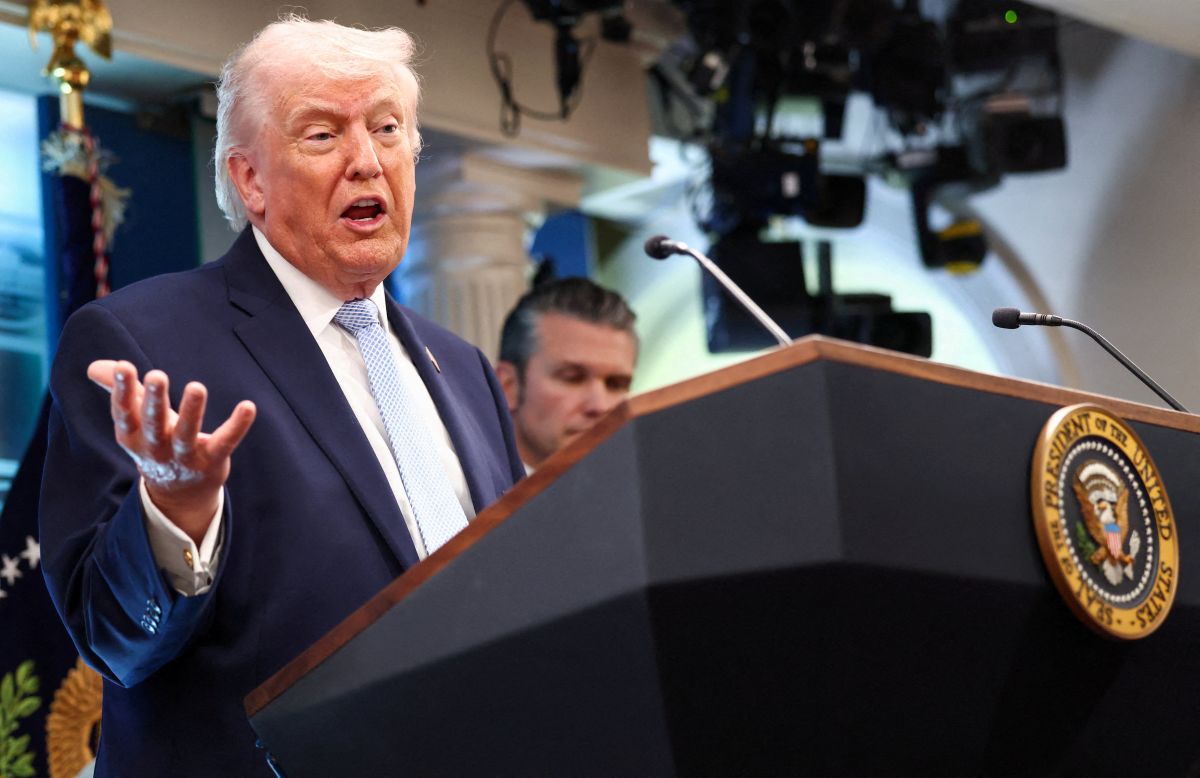
Just hours before a looming deadline—and after days of escalating threats—U.S. President Donald Trump made a sudden, dramatic move.
A two-week ceasefire with Iran had been agreed.
An unexpected pause… in a war that has already taken thousands of lives.
According to reports, the deal came together less than two hours before Trump’s ultimatum expired—his demand that Iran reopen the Strait of Hormuz or face devastating attacks on civilian infrastructure.
Earlier that same day, his warning was chilling.
“A whole civilization will die tonight,” he had said.
The tension was real.
The stakes—unimaginable.
But then, a shift.
Through last-minute diplomacy, with Pakistan stepping in as mediator, both sides found a narrow path toward de-escalation.
Trump announced the agreement online, calling it a “double-sided ceasefire”—a temporary halt meant to open the door for something bigger.
Peace.
At least, that’s the hope.
Under the deal, Iran is expected to pause its blockade of the Strait of Hormuz—a critical global oil route responsible for nearly one-fifth of the world’s oil supply.
In return, attacks will stop… for now.
Iran signaled its willingness to cooperate, saying it would halt counterattacks and allow safe passage through the strait.
But beneath the agreement, tension still lingers.
Both sides are claiming victory.
The U.S. says the ceasefire is a result of military strength and pressure.
Iran says its conditions were met.
Two narratives.
One fragile truce.
And on the ground?
The war hasn’t fully gone quiet.
Even after the announcement, missiles were still detected. Explosions echoed. Defense systems lit up the skies.
A reminder that peace—right now—is only temporary.
The conflict, now in its sixth week, has already claimed more than 5,000 lives across nearly a dozen countries, including over 1,600 civilians in Iran.
Behind every number… is a story.
A family.
A life changed forever.
Still, the ceasefire has brought a moment of relief.
Markets responded almost instantly—oil prices dropped, stocks rose.
For a brief moment, the world exhaled.
But uncertainty remains.
Some officials quietly admit this may just be a “trust-building exercise”—a pause that could either lead to peace… or buy time for something else.
Because in conflicts like this, two weeks can mean everything.
Or nothing at all.
Now, all eyes are on what happens next.
Will this fragile pause lead to real, lasting peace?
Or is it just the calm… before another storm?