
A Turning Point for Philippine Energy: President Marcos Jr.’s Bold Move
In a moment that reverberated across the archipelago, President Ferdinand “Bongbong” Marcos Jr. captured the nation’s attention during his fifth State of the Nation Address (SONA). With a powerful declaration that could revolutionize the Philippine energy sector, he emphasized a deep-seated need for change.
“At sa mga usapan ng pagbawas ng presyo, panahon na para alisin natin ang system loss na pinapasa sa konsyumer,” he stated, channeling the frustrations of countless Filipinos. (And if we’re talking about lowering prices, I believe it’s time we remove the system loss charges being passed on to consumers.) The energy loss, he continued, is simply not the fault of consumers. “Hindi naman kasalanan ng konsyumer kung bakit nagkaroon ng system loss,” he stressed. (It’s not right that they should be the ones paying for it.)
As he called on Congress to amend the Electric Power Industry Reform Act (EPIRA), the crowd responded with a standing ovation, reflecting a wave of hope and anticipation. Could this be the change consumers have long awaited?
What Is System Loss?
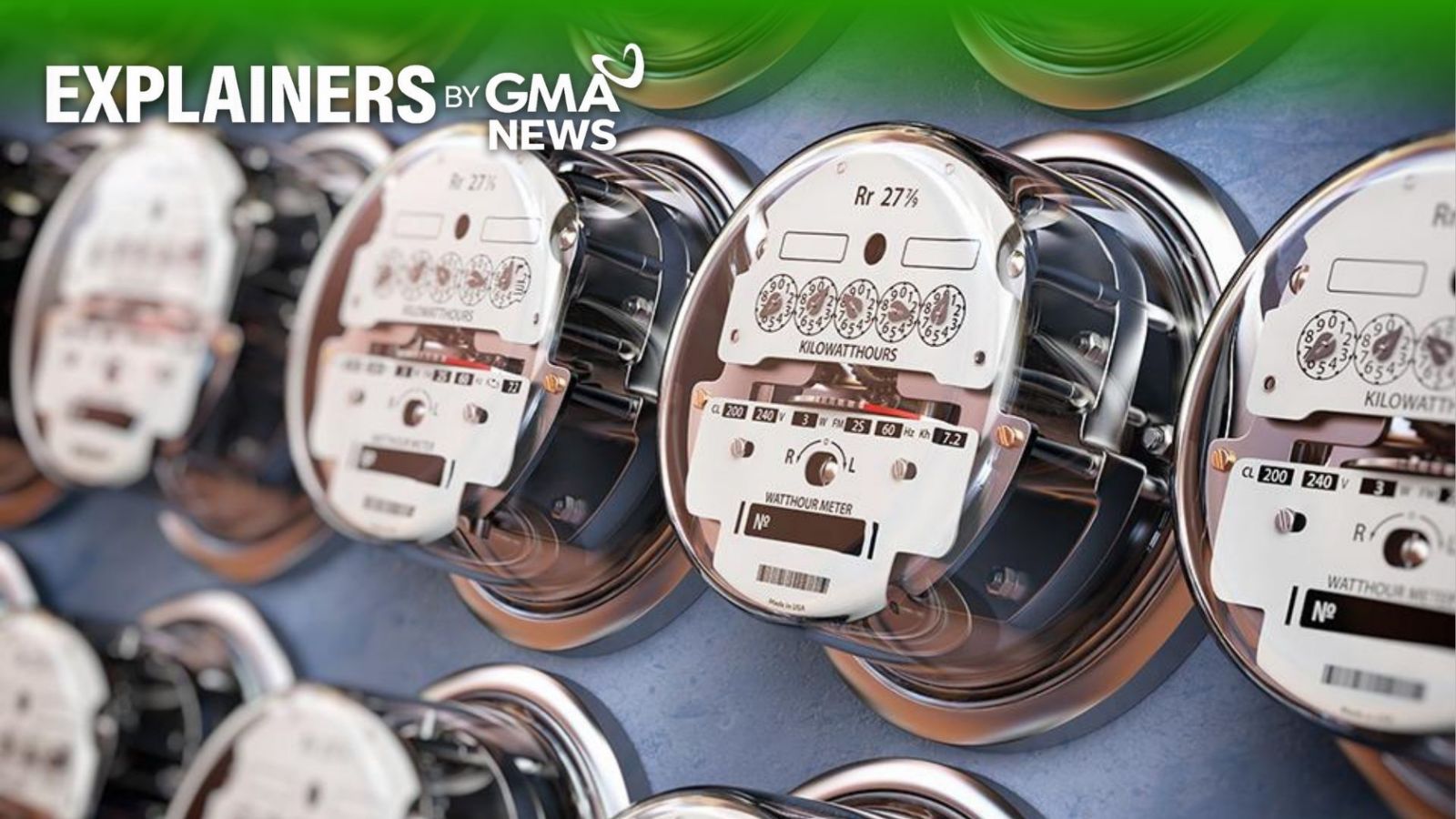
But what does “system loss” really mean? How does it impact your monthly electricity bill? The Manila Electric Company (Meralco) elucidated that system loss is essentially the difference between electricity generated by power plants and what actually reaches consumers. When electricity travels across vast distances, some of it is lost along the way due to both technical and non-technical factors.
Technical Factors: These are the unavoidable losses that occur when electricity flows through wires, generating heat as it moves through multiple transformers and faces voltage stability issues.
Non-Technical Factors: Unfortunately, this also includes electricity theft or illegal tapping into power lines—issues no consumer should have to bear.
Let’s take a moment to think about this: Why should we, the consumers, shoulder costs that aren’t our responsibility? Under current laws like the EPIRA and the Anti-Pilferage Law, distribution utilities can pass on a portion of these system losses directly to customers.
The Cost of System Loss
The Energy Regulatory Commission (ERC) has outlined caps on how much utilities can charge consumers. For rural electric cooperatives, the maximum is about 12% to 13%, while private distributors like Meralco can charge up to 6.5%. In fact, for Meralco’s customers, system loss charges account for 5% of their monthly bills.
Yet, with the recent support from both the Department of Energy (DOE) and the ERC backing President Marcos’ proposal, there’s a glimmer of hope on the horizon. Meralco has expressed the need for more discussion, aware of the implications for the operational and financial health of power distribution utilities.
A Life-Changing Shift?
President Marcos Jr. has taken a momentous step, one that has left many asking: Could this be the dawn of a fairer energy sector? As we edge closer to what may turn out to be a game-changer for millions of Filipinos, one thing is certain—the voices of the people are being listened to, and change may finally be within reach.
So, let’s hold onto this moment. Let’s continue to advocate for transparency and fairness in our electricity bills. Because, as President Marcos said so emphatically, it is high time that consumers are no longer left to bear the burden of expenses outside their control.
As we watch this story unfold, let’s hope for a brighter, more equitable future in the Philippine energy sector. Together, we can be the change we want to see.