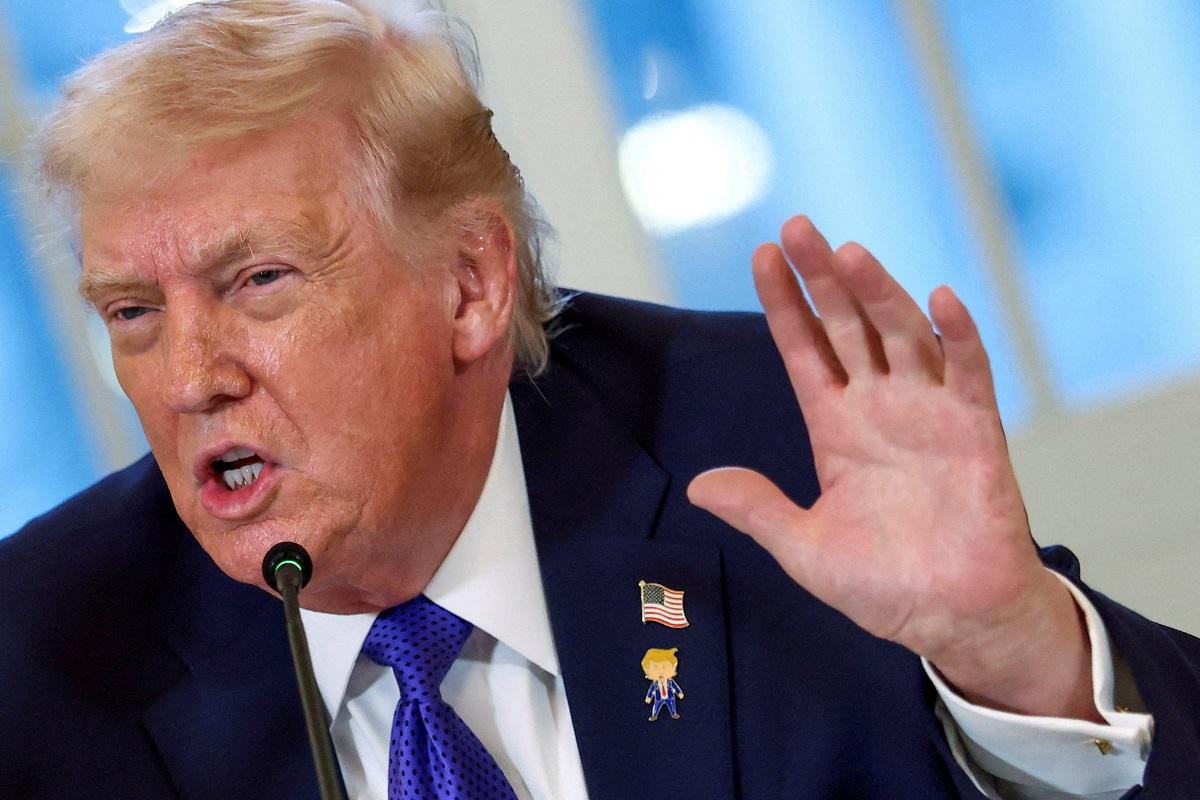
President Donald Trump’s warning to Cuba was blunt, unapologetic, and unmistakably strategic.
“No more oil. No more money.”
And with that, Washington signaled a hard reset.
Trump’s message was clear: Cuba’s long reliance on Venezuela is over, and the island now faces a choice — continue resisting the United States, or finally come to the table.
For decades, Venezuelan oil kept Cuba afloat. It powered cities, fueled transport, and softened the blow of sanctions. Now, that lifeline is being cut — not gradually, but abruptly. And the timing could not be worse.
A nation already stretched thin
Cuba today is not the Cuba of the past.
Blackouts are frequent.
Food shortages are routine.
Tourism, once a pillar of survival, is fragile.
Remove oil from that equation, and the pressure multiplies.
Without Venezuelan fuel, the impact will be immediate and painful — longer power outages, higher transport costs, and deeper strain on hospitals and food supply chains. This isn’t just an economic threat. It’s a daily-life crisis for millions of ordinary Cubans.
Pressure disguised as diplomacy
Trump framed his warning as advice: “Make a deal before it’s too late.”
But make no mistake — this is leverage.
The message isn’t aimed only at Cuba’s leaders. It’s aimed at the system that has ruled the island since 1959. By cutting off external support, the U.S. is betting that internal pressure will do what sanctions alone could not.
Critics argue this approach risks hurting civilians more than politicians. Supporters say it’s the only language authoritarian governments understand.
Both sides may be right.
Is Cuba really “ready to fall”?
Trump suggests Cuba is on the brink. Intelligence assessments, however, are more cautious.
Yes, the system is strained.
Yes, governance is becoming harder.
But collapse is not guaranteed.
Cuba has survived isolation before — through adaptation, rationing, and resilience. The real question is not whether the country will fall, but how much suffering it will absorb before it changes.
A narrow window
Ironically, this moment could also be an opening.
If Cuba chooses engagement, negotiations could ease sanctions, stabilize energy supply, and give its people room to breathe. But that would require political shifts — and trust — on both sides.
If it doesn’t, the road ahead will be darker, slower, and colder.
The human cost
Behind every policy threat is a human story.
Families sitting in the dark.
Workers stranded without transport.
Hospitals conserving fuel.
Geopolitics may be played in capitals and on social media, but its consequences are felt in kitchens, clinics, and classrooms.
Trump’s warning may reshape Cuba’s future — but whether it leads to reform or deeper hardship remains an open question.
One thing is certain:
The clock is ticking, and Cuba’s margin for error has never been smaller.