


Strait of Hormuz: A Tenuous Hope for Peace Amidst Turmoil
In a world where tensions run high and stakes are even higher, Iran is making a bold move in a bid for peace. Last Saturday, Iran waited with bated breath for an official response from the United States regarding its proposal aimed at reopening the crucial Strait of Hormuz and halting fighting throughout the Middle East. But, as reported by the Wall Street Journal, President Donald Trump may have already cast a shadow over this hope by rejecting the deal.
During the recent United Nations General Assembly in New York, Iran pushed its diplomatic initiative forward. They communicated the proposal to U.S. officials through Qatari mediators, proposing to restore access to the strategic waterway that is vital for global oil transport. They claimed this could lead to a cessation of hostilities in the region—yes, all within just seven days.
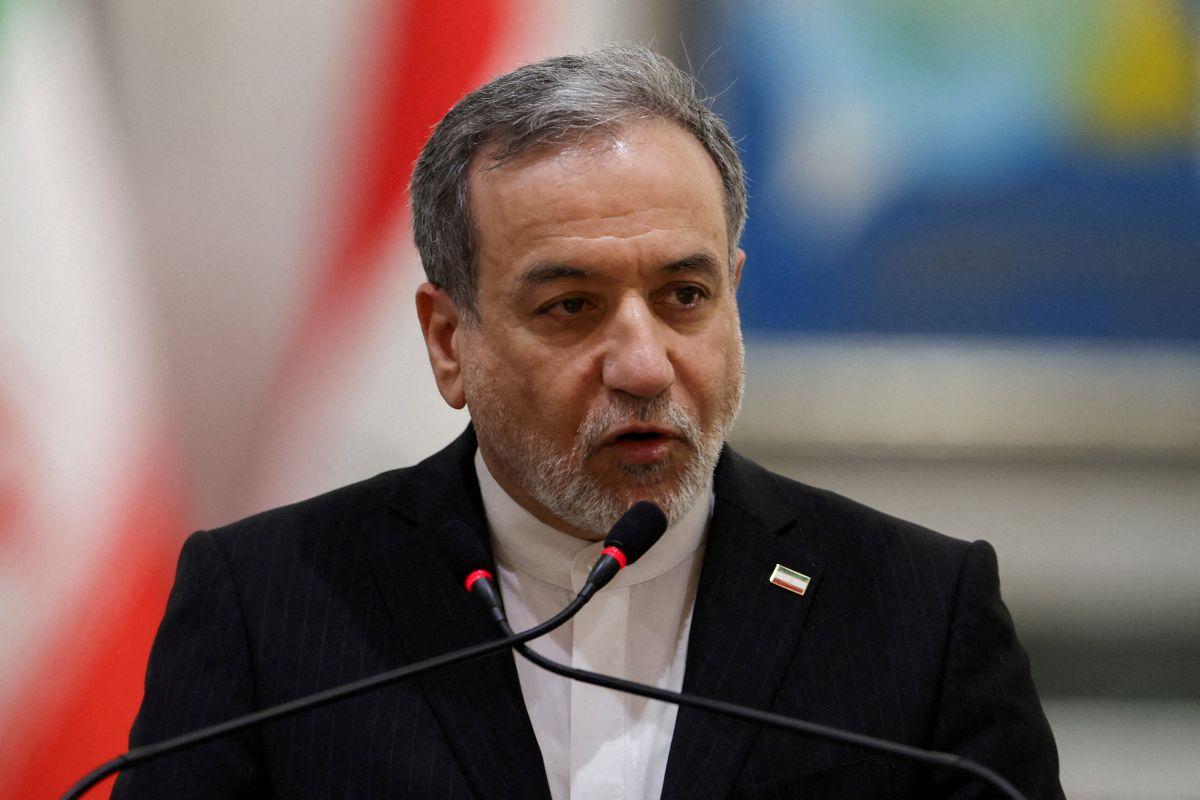
As Iranian Foreign Minister Abbas Araqchi spoke to reporters, hope flickered. He expressed, “If there is seriousness on the U.S. side to come to a deal and reopen the Strait of Hormuz, everything is now prepared.” Imagine a world where competing nations could set aside their differences and engage in wider talks, possibly even discussing Iran’s nuclear ambitions.
Yet, there remains skepticism. While Trump has vowed that Tehran will never possess a nuclear weapon, a senior Iranian official made it clear that Iran wouldn’t budge an inch regarding its nuclear program, regardless of the peace negotiations. The official drew the line at enriching uranium and shipping it out of the country, emphasizing that Iran’s rights are non-negotiable.
Despite the barriers, Iran has proposed halting hostilities across all fronts, including Lebanon. However, this peace plan comes at a cost—it hinges on the United States lifting its blockade on Iranian ports, releasing frozen funds, and easing oil sanctions. It’s a complex entanglement, one that speaks to the fragile nature of diplomacy in a region strained by conflict.
Even as discussions through mediators have been labeled “positive and constructive” by a U.S. official, reports suggest Trump remains skeptical. Torn between hope for dialogue and the fear of renewed military action, he has hinted at the likelihood of escalating confrontations, a troubling thought for those who yearn for peace.
For months, violence has wracked the region. The conflict, which ignited on February 28 with U.S. and Israeli attacks, has resulted in untold suffering, claiming lives and crippling economies. Iran and its allies have retaliated, expanding the conflict like ripples in a pond. Drones and missiles have struck U.S. allies in the Gulf, while Iranian-aligned militias have launched attacks, bringing chaos even to Saudi Arabia.
The situation has drawn Saudi Arabia’s allies together, reinforcing defenses against the Houthi fighters, who have launched missiles deep into Saudi territory. The air is thick with tension as Saudi defense officials engage in discussions with Turkey and Pakistan, strategizing ways to counteract the rising threats.
Amidst the fighting, a humanitarian crisis looms large. The United Nations has reported alarming increases in acute malnutrition among children in Yemen, adding yet another layer to the unfolding tragedy.
As the world watches, we hold our collective breath. Will this moment of potential reconciliation give way to greater peace, or will divisions deepen further? The next move is crucial, and the world is waiting, hoping for a turn towards a more peaceful tomorrow.