


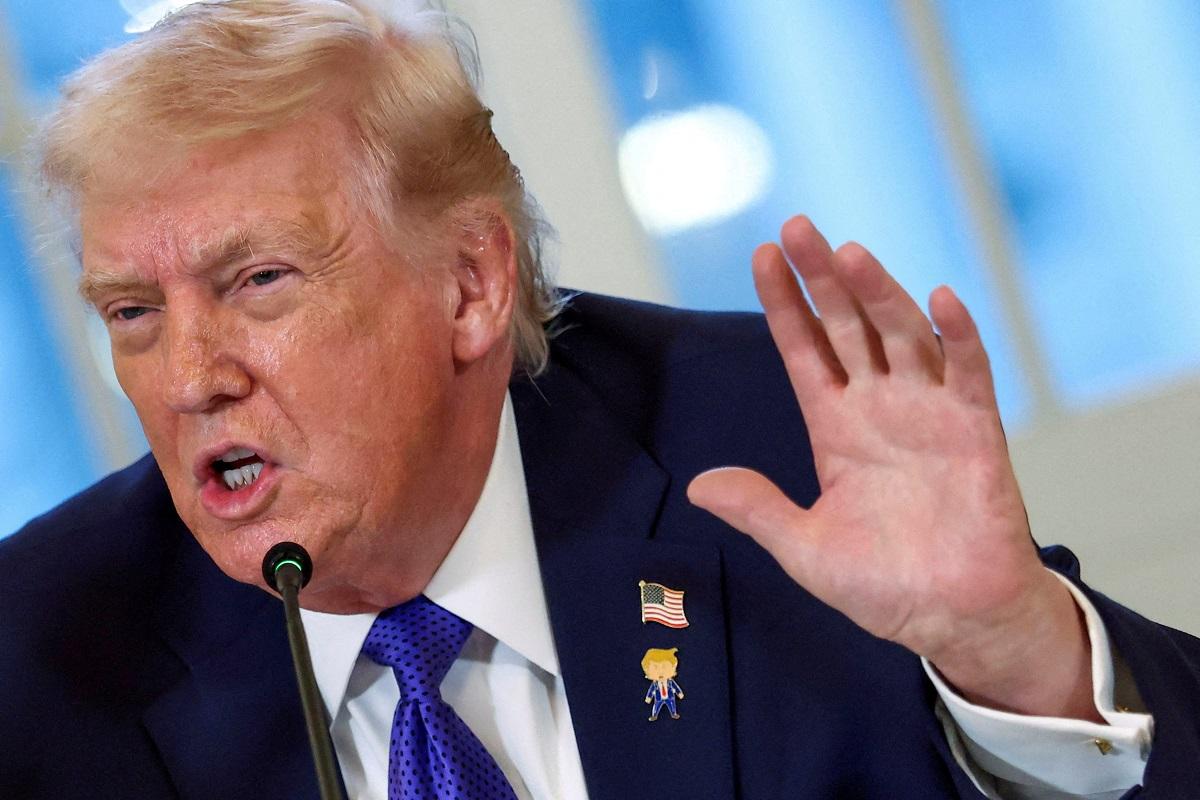
DAVOS, Switzerland — In a sharp and unexpected turn, U.S. President Donald Trump stepped back from weeks of fiery threats on Wednesday, ruling out both force and tariffs in the dispute over Greenland — and signaling that a deal is now close.
Speaking during a whirlwind visit to the World Economic Forum in Davos, Trump dialed down rhetoric that had rattled NATO allies, unsettled global markets, and raised fears of the deepest transatlantic rift in decades.
Instead of confrontation, Trump offered reassurance.
“I don’t have to use force,” he said bluntly. “I don’t want to use force. I won’t use force.”
For weeks, Trump had floated tariffs and other pressure tactics as leverage in talks involving Greenland, a Danish territory of growing strategic value in the Arctic. The comments sent shockwaves through Europe and reignited concerns of a new global trade war.
But on Wednesday, the tone changed.
Emerging from a meeting with NATO Secretary General Mark Rutte, Trump said a framework agreement had been reached — one that could satisfy U.S. security concerns while easing tensions with allies.
“It’s a deal that everybody’s very happy with,” Trump told reporters. “It’s a long-term deal. The ultimate long-term deal.”
Then he added, with emphasis: “It’s a deal that’s forever.”
According to Trump, the proposed agreement would help advance U.S. interests in missile defense — including his vision of a “Golden Dome” system — and secure access to critical minerals, all while blocking Russia and China from gaining influence in the Arctic.
A NATO spokesperson confirmed that seven Arctic NATO allies would work together to ensure regional security, stressing that talks between Denmark, Greenland, and the United States would continue.
The goal, the spokesperson said, is clear: to make sure Russia and China never gain a foothold in Greenland — economically or militarily.
On his Truth Social platform, Trump said the U.S. and NATO had “formed the framework of a future deal” covering Greenland and the wider Arctic region. Because of that understanding, he said, the tariffs scheduled to take effect on February 1 would no longer be imposed.
Denmark, however, urged caution.
Foreign Minister Lars Lokke Rasmussen said the issue should be handled quietly and respectfully — not through social media.
“What is crucial for us,” Rasmussen said, “is respect for the integrity and sovereignty of the Kingdom of Denmark and the right of the Greenlandic people to self-determination.”
He confirmed speaking with Rutte but declined to share details of the discussions.
Trump said further negotiations would be led by Vice President JD Vance, Secretary of State Marco Rubio, and special envoy Steve Witkoff.
Earlier in the day, Trump also acknowledged what markets had been signaling for weeks — unease.
Investors reacted swiftly to his softer stance. U.S. stocks rallied, with the S&P 500 climbing 1.2%, adding to a rebound after the sharpest selloff in three months.
Still, the episode left allies uneasy.
Trump’s repeated threats to seize Greenland — from a longtime NATO partner — had alarmed European leaders. And while the president has often issued bold warnings only to later soften or withdraw them, the pattern continues to keep markets and diplomats on edge.
For now, though, the message from Davos was clear.
No force.
No tariffs.
And, according to Trump, a deal finally within reach.