
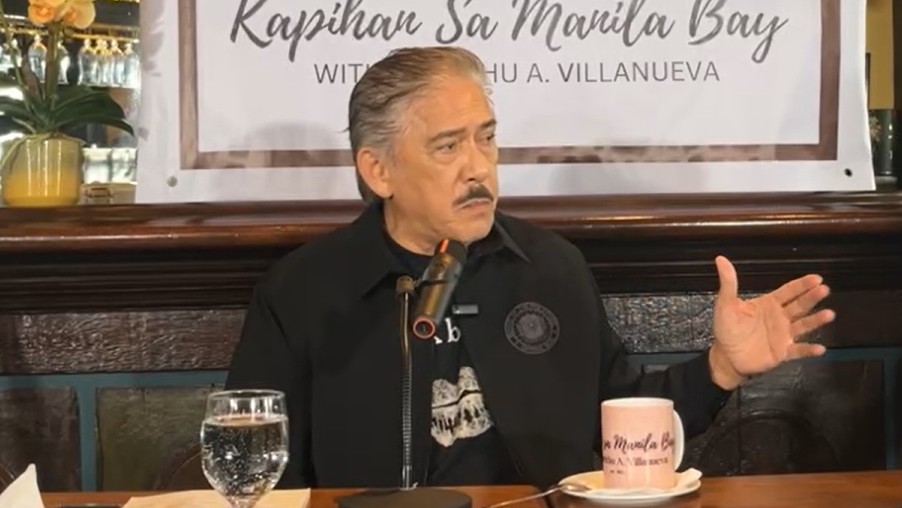
MANILA, Philippines — Senate Minority Leader Vicente “Tito” Sotto III has filed a big and dramatic change to how the country fights illegal drugs. He wants to get rid of the current drug agencies and set up a brand-new one called the Presidential Drug Enforcement Authority — a new group that would answer directly to the President.
🔧 Why Change the Old Law?
The current law that governs the country’s anti-drug work is called Republic Act 9165, also known as the Comprehensive Dangerous Drugs Act of 2002. That law has been used for 23 years, and Sotto says it’s starting to show its age.
“The law, as presently formulated, needs retrofitting, so to speak, like any structure or machine in constant use for 23 years now,” he said.
He added that the people in charge of stopping illegal drugs need better supervision so that the rules and plans can be clearer and stronger.
In short: Tito Sotto believes the current system is broken, outdated, and not working as well as it should — so he wants to tear it down and build a new one from the ground up.
⚖️ What Will the New Authority Do?
If the bill becomes law, the Philippine Drug Enforcement Agency (PDEA) and the Dangerous Drugs Board (DDB) would be dissolved — that means those two groups would be shut down.
In their place, the new Presidential Drug Enforcement Authority would be created. It would have five special parts (called bureaus), each with its own job:
-
Anti-Drug Enforcement – catching people who make, sell, or use illegal drugs
-
Anti-Drug Prosecution – making sure drug cases go to court and are handled properly
-
Anti-Drug Prevention – teaching people how to avoid drugs before they start
-
Anti-Drug Rehabilitation – helping people stop using drugs and get better
-
Anti-Drug Policy Formulation, Guidelines and Procedure – writing the rules and plans to make the whole drug fight work better
These five bureaus are supposed to work together so the country can fight drugs not just by arresting, but by preventing and healing too.
🔄 What Happens to the Old Enforcement Powers?
The bill says the actual work of catching and handling illegal drugs won’t disappear. Instead, the powers that used to belong to PDEA will now be carried out by a group of existing police and law enforcement units, including:
-
Philippine National Police’s Anti-Illegal Drugs Special Operation Task Force
-
National Bureau of Investigation’s Anti-Illegal Drugs Task Force
-
Bureau of Customs Task Group/Force in Dangerous Drugs and Controlled Chemicals
-
Narcotics Units of the Armed Forces of the Philippines
-
And similar units with the same job
So the people doing the real street-level enforcement would still be active — but now under a new central authority that pulls the strings from the top.
🏛️ Who Runs the New Agency?
The Presidential Drug Enforcement Authority would be directly under the Office of the President. That means it would be closer to the top leader of the country instead of being more independent like the old agencies.
The head of this new agency is called the Secretary. The President will choose and appoint this person. The Secretary will be the one in charge of running everything — making sure the agency works well, organizes the bureaus, and follows the plan.
💰 Where Does the Money Come From?
To start the new agency, the bill says the money will come from the budgets of the old groups — PDEA and DDB — for the current year. After that, the funds would come from the General Appropriations Act, which is the yearly government budget approved by Congress.
So the plan is to reuse existing money at first, then keep funding the new authority through the official government spending process.
🔥 What This Means
This is a big shake-up in how the government fights illegal drugs. It’s dramatic because it proposes to erase existing institutions and replace them with a new, stronger central body. It shows a clash between the old system (which critics say is worn out) and a new vision that wants tighter control, clearer rules, and more centralized leadership.
If passed, it could change everything—from how drug suspects are caught, to how drug users are helped, to who makes the big decisions — all under the watchful eye of the President.