Bangkok —
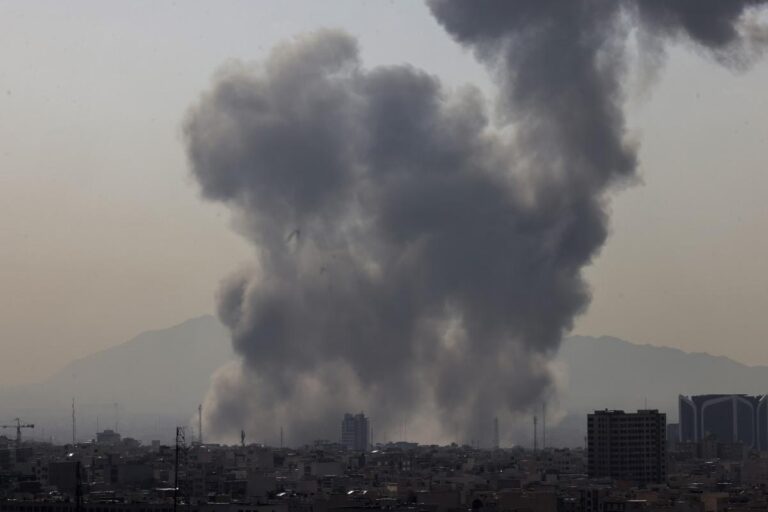
After weeks of fear, fire, and uncertainty, the guns have finally gone quiet.
On Saturday, Thailand and Cambodia agreed to halt their fiercest border clashes in years, putting an end—for now—to a conflict that saw fighter jets in the sky, rockets on the ground, and artillery shaking border communities.
At exactly noon, the ceasefire took effect.
“Both sides agree to maintain current troop deployments without further movement,” the two defense ministers said in a joint statement.
No advances.
No reinforcements.
No more escalation.
Cambodia’s Defense Ministry warned that any troop buildup would only inflame tensions and damage long-term peace efforts.
The agreement, signed by Thai Defense Minister Natthaphon Nakrphanit and Cambodian Defense Minister Tea Seiha, brought to a close 20 days of fighting that claimed at least 101 lives and forced more than half a million people on both sides to flee their homes.
For families caught along the border, it was a long-awaited pause from fear.
The violence flared again in early December after a previous truce—helped by U.S. President Donald Trump and Malaysian Prime Minister Anwar Ibrahim—collapsed. Accusations flew. Tempers rose. And fighting returned.
The roots of the conflict run deep.
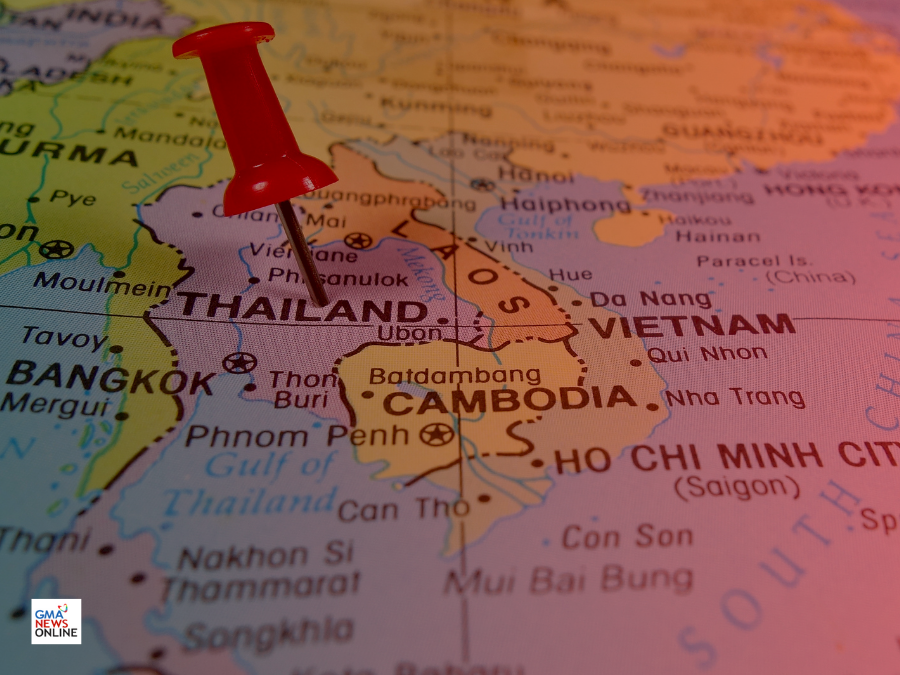
For over a century, Thailand and Cambodia have disputed sovereignty over parts of their 817-kilometer land border, where boundaries remain unclear. From time to time, old tensions erupt—sometimes into deadly clashes.
This latest ceasefire will be closely watched.
An observer team from the Association of Southeast Asian Nations (ASEAN) will monitor the situation, alongside direct coordination between the two militaries.
“At the policy level, there will be direct communication between the defense ministers and the armed forces chiefs of both sides,” Natthaphon told reporters.
Still, the road to peace has been rocky.
In July, simmering tensions exploded into five days of fighting that killed at least 48 people and displaced 300,000, before Trump stepped in to broker a truce. That fragile peace unraveled just months later.
As fighting spread—from forested areas near Laos to coastal provinces along the Gulf of Thailand—efforts by both Trump and Anwar failed to stop the violence.
Hope returned only after renewed talks.
A special meeting of Southeast Asian foreign ministers in Kuala Lumpur opened the door, followed by three days of negotiations at a border checkpoint—culminating in Saturday’s agreement.
Beyond silencing the guns, the pact includes humanitarian steps.
Displaced residents will be allowed to return home.
Both sides pledged not to use force against civilians.
And Thailand agreed to return 18 Cambodian soldiers captured during July’s clashes—if the ceasefire holds for 72 hours.
But one thing remains unresolved.
The agreement makes clear that it does not affect ongoing border demarcation efforts. The thorny issue of disputed territory will remain in the hands of existing bilateral mechanisms.
As the ceasefire took hold, a message of unity echoed from Thailand’s military leadership.
“War and clashes don’t make the two countries—or the two peoples—happy,” said Air Chief Marshal Prapas Sornjaidee.
“I want to stress that the Thai people and the Cambodian people are not in conflict with each other.”
For now, peace has a chance to breathe.