

The Weight of Choices: A Glimpse into the Lives of Young Offenders
In our society, the line between childhood and adulthood is sometimes blurred, especially in the eyes of the law. Recently, the emotional stories of two young men, Josh and Justin (not their real names), have surfaced, shedding light on how our justice system navigates the complex world of juvenile offenses.
Facing Consequences
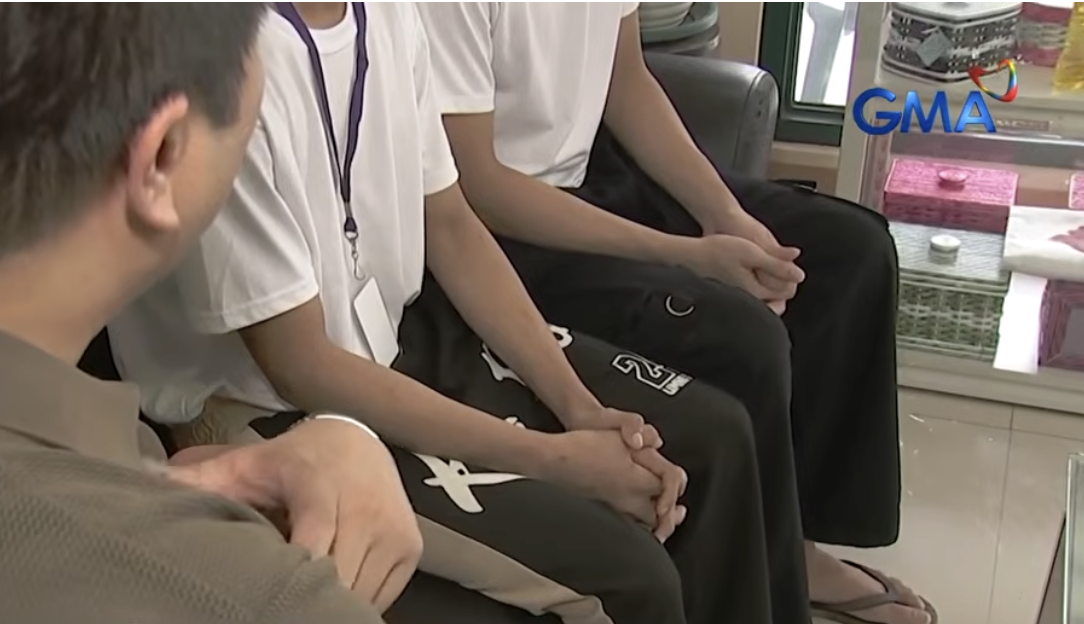
At just 17 years old, Josh found himself tangled in a legal nightmare, charged with a terrible crime. Now, at 20, he resides in a Bahay Pag-Asa—a rehabilitation center designed for minors. Awaiting his trial for rape, he reveals his aspirations with heartfelt sincerity. “I plan to continue my studies,” he says, his eyes shining with hope. “I’m a first-year college student, moving to my second year.”
On the flip side, Justin is a young man who has already faced the consequences of his actions. Convicted of murder at 17, he was initially held at Bahay Pag-Asa until his sentence was suspended. Soon, he will turn 21, and authorities will decide whether he can reintegrate into society or must serve time in prison. Reflecting on his journey, Justin shares, “The moment I walked through these doors, I promised myself I would fix my life. I will pay for my mistakes and reflect on every poor choice I made.”
A Heartbreaking Trigger
The urgency of conversations around juvenile justice was underscored recently by a tragic event. Two high school students—a 14-year-old and a 15-year-old—opened fire in a classroom in Tacloban City, resulting in the loss of three lives and injuries to 20 others. The impact was staggering. The older shooter is now facing serious charges, having acted with discernment, a legal term indicating an understanding of one’s actions.
Both boys will be placed in Bahay Pag-Asa facilities, where they will receive the care and education they need to potentially reshape their futures. The 14-year-old will undergo intensive intervention programs, in line with the Juvenile Justice and Welfare Act, aimed at guiding young offenders toward a better path.
A New Routine at Bahay Pag-Asa
Inside Bahay Pag-Asa, every day is structured, filled with life skills classes led by trained psychologists. The young residents wake at 4 a.m., share meals, and wind down by 9 p.m., much like a school routine. Some are even enrolled in K-12 classes, receiving an education just like their peers outside.
Staying at a Bahay Pag-Asa is not just about serving time; it’s a journey of introspection and learning. Each minor is required to stay for a minimum of one year, with the potential for an extension based on their progress. Emphasizing rehabilitation over punishment, the hope is that every child demonstrates genuine remorse and a deep understanding of the gravity of their actions before seeking release.
The Path Forward
For the 15-year-old shooter from Tacloban, an assessment will determine if he acted with discernment. If he did, he will stand trial as an adult. However, if the court finds him lacking in discernment, he will undergo the same rehabilitation process as younger offenders, receiving support tailored to his needs.
Social worker Maribel Barcenas explains the complexity of these evaluations, highlighting that the court relies on thorough assessments to make its final ruling. “Each evaluation tool has its own criteria,” she notes, underscoring the sensitive nature of these proceedings.
A Hopeful Tomorrow
The stories of Josh, Justin, and the young shooters are woven with challenges, yet woven within them are threads of hope and potential transformation. Through structured rehabilitation, education, and heartfelt commitment to change, these young lives might not be defined by their past choices, but rather by the futures they are willing to fight for.
As we reflect on these stories, we must remember that every young person deserves a chance for redemption—a chance to learn, grow, and ultimately, to heal. Whether behind the walls of Bahay Pag-Asa or in a classroom, every child is a canvas, and with the right guidance, they can paint a masterpiece of their own life.