


The government’s sin tax collections are on the rise, but challenges remain in keeping pace with past peaks and adapting to new trends in smoking.
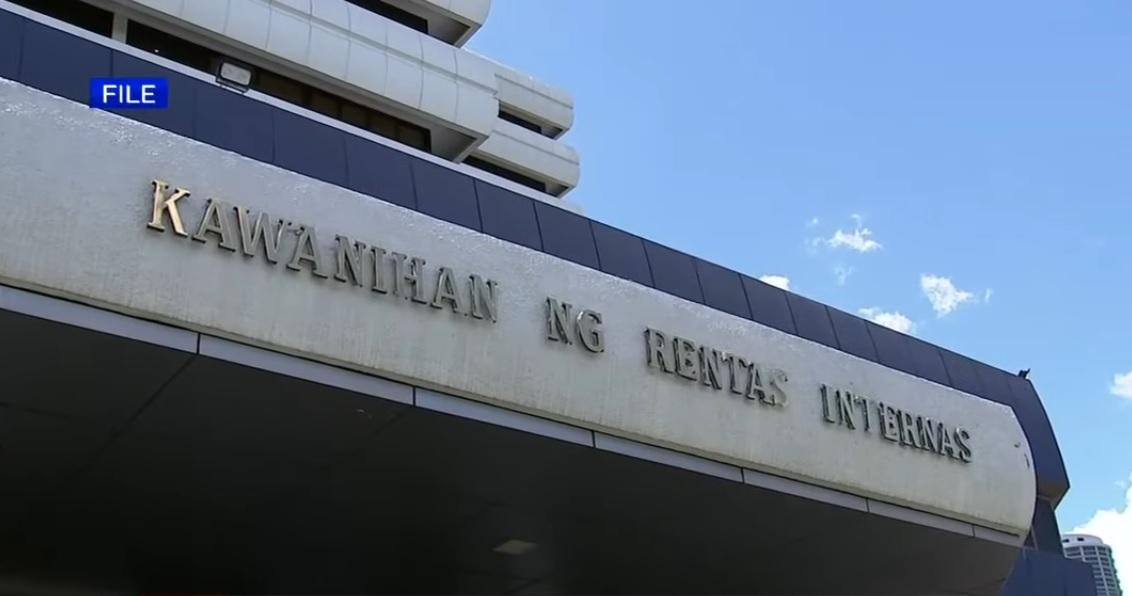
From January to September 2025, excise taxes on cigarettes reached P106 billion, up from P84 billion during the same period last year. E-cigarettes or vapor products added another P2 billion to the coffers. Former Bureau of Internal Revenue (BIR) Commissioner Romeo Lumagui shared these figures during a briefing before the House ways and means panel.
“We’ve seen an increase of more than P20 billion compared to last year,” Lumagui said. He credited the rise to the BIR’s aggressive enforcement activities, including nationwide raids targeting excisable products.
Despite the growth, Rep. Romero Quimbo, chair of the panel, noted that collections remain far from the P170 billion peak recorded in 2021. He raised a critical question: is the decline due to the 2012 Sin Tax law successfully discouraging unhealthy habits, or are smokers simply shifting from traditional cigarettes to e-cigarettes, which carry much lower taxes?
Lumagui pointed out that the lower excise rates on vapor products have indeed prompted many smokers to switch rather than quit altogether.
“The rates of excise tax on vapor products are much, much lower than cigarette products. So even if smoking continues, revenue is smaller when people shift to vapes,” he explained.
Quimbo suggested a risk-based excise tax system as a middle ground, but emphasized that a unitary tax for vapor products is essential for better administration. Too many classifications, he said, create loopholes and complicate enforcement.
“The remedy is a simplified system,” Lumagui agreed. “Different categories lead to misdeclarations and make monitoring difficult. A unitary tax for vapor products would be very helpful.”
The discussion came just a day before Malacañang announced that Lumagui would be replaced by Finance Undersecretary Charlito Mendoza, marking the end of his tenure as BIR commissioner.
The figures show progress, yet lawmakers and tax experts stress the need for clear, enforceable, and simplified rules to ensure the government collects fairly from both traditional and modern tobacco products—while keeping public health goals in mind.