

“We Will Not Be Silenced”: Senators Fire Back at China
Tension is rising.
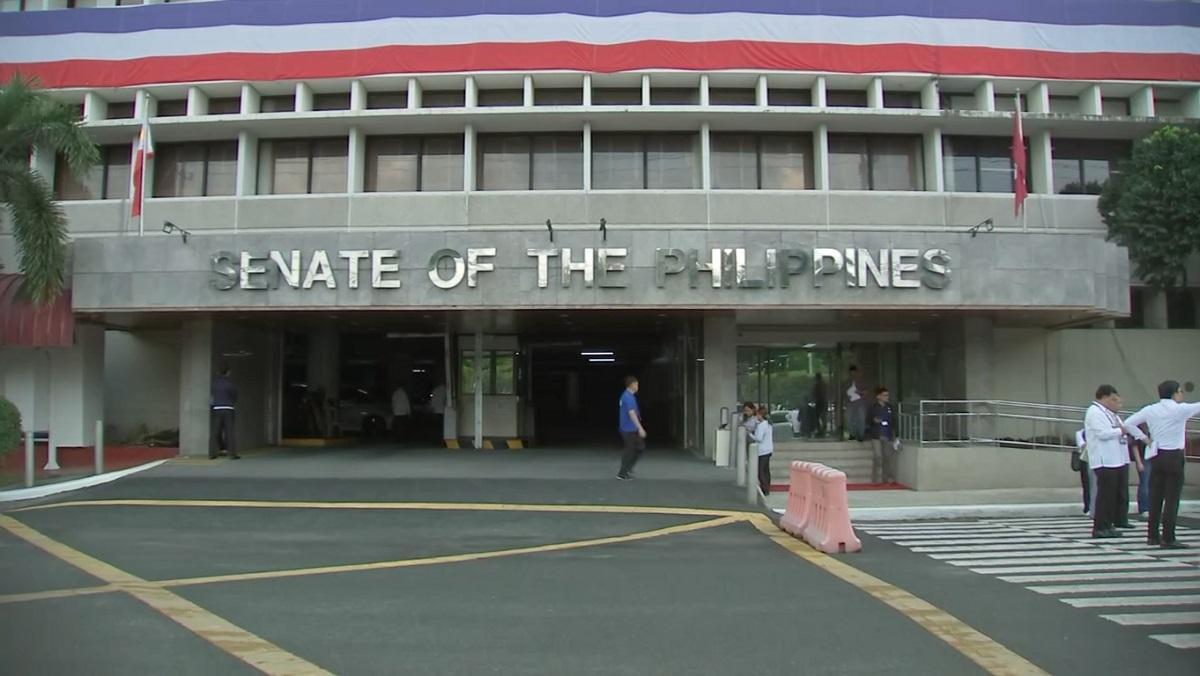
And this time, it’s not just on the waters of the West Philippine Sea — it’s inside the halls of the Senate.
On Wednesday, Filipino senators made one thing clear: they will not be intimidated.
They will not be silenced.
The strong statements came after the Chinese Embassy in Manila criticized a recently adopted Senate resolution condemning Beijing officials’ remarks against Filipino government leaders.
China called the resolution “anti-China.”
A political stunt.
An act based on “misinformation.”
But Philippine lawmakers are standing their ground.
“Why Should We Listen to Them?”
Senator Erwin Tulfo, chair of the Senate Committee on Foreign Relations, did not mince words.
“Bakit natin sila pakikinggan? Sino ba sila?” he asked during an ambush interview.
Why should we listen to them? Who are they?
He reminded diplomats of a fundamental principle.
“They are visitors here in our country.”
Tulfo pointed to the Vienna Convention of 1961 — the global framework that governs diplomatic conduct.
As guests, he said, diplomats must respect the laws of the host nation.
“Ganun din po tayo sa bansa nila,” he added. Filipino diplomats abroad follow the rules. The same respect should apply here.
Still, Tulfo emphasized that as the newly elected chair of the foreign relations panel, he would defer further diplomatic steps to the Department of Foreign Affairs, in line with protocol.
The Resolution That Sparked It
The Senate adopted Resolution No. 256 earlier this week.
The measure denounced recent statements from the Chinese Embassy directed at Filipino officials who criticized Beijing’s aggressive actions in the disputed South China Sea.
In response, the embassy accused some Philippine lawmakers of resorting to threats and intimidation — and claimed they knew “little about how diplomacy works.”
Chinese Ambassador Jing Quan said Beijing would continue to “firmly” push back against what he called “false narratives.”
But senators insist their move was lawful — and necessary.
“This Is Our Constitutional Duty”
Senator Risa Hontiveros described the resolution as a legitimate tool of democracy.
“We will not be silenced or deterred by statements from foreign actors,” she said.
Even if there are “a million criticisms,” she added, the Senate will continue to put its position on record.
Because it is their constitutional duty.
Her message was firm but measured.
The Philippines remains open to cooperation.
To dialogue.
To peaceful resolution.
But she said good faith must come first.
“The Chinese government must cease harassment of our vessels in the West Philippine Sea,” she stressed.
“We Will Never Be Cowed”
Senator Francis “Kiko” Pangilinan, who sponsored the resolution, was even more blunt.
He described the embassy’s response as “undiplomatic and boorish.”
For him, the reaction only reinforced concerns about Beijing’s behavior.
“We will never tolerate nor be cowed by foreigners disrespecting us in our own land,” Pangilinan declared.
He also called on the Department of Foreign Affairs to take appropriate diplomatic measures — not to escalate tensions, but to uphold the country’s dignity and ensure that relations follow international law.
A Question of Sovereignty
At its core, this is more than a war of words.
It is about sovereignty.
Respect.
National interest.
The Senate says it has the right — and the obligation — to speak when Philippine laws and territory are involved.
China says it will defend itself against what it calls misinformation.
Between the statements and counter-statements, one message rings loud from the Senate floor:
This is a democracy.
And in a democracy, elected officials will speak — even when the message is uncomfortable.
And they say they will not be silenced.