
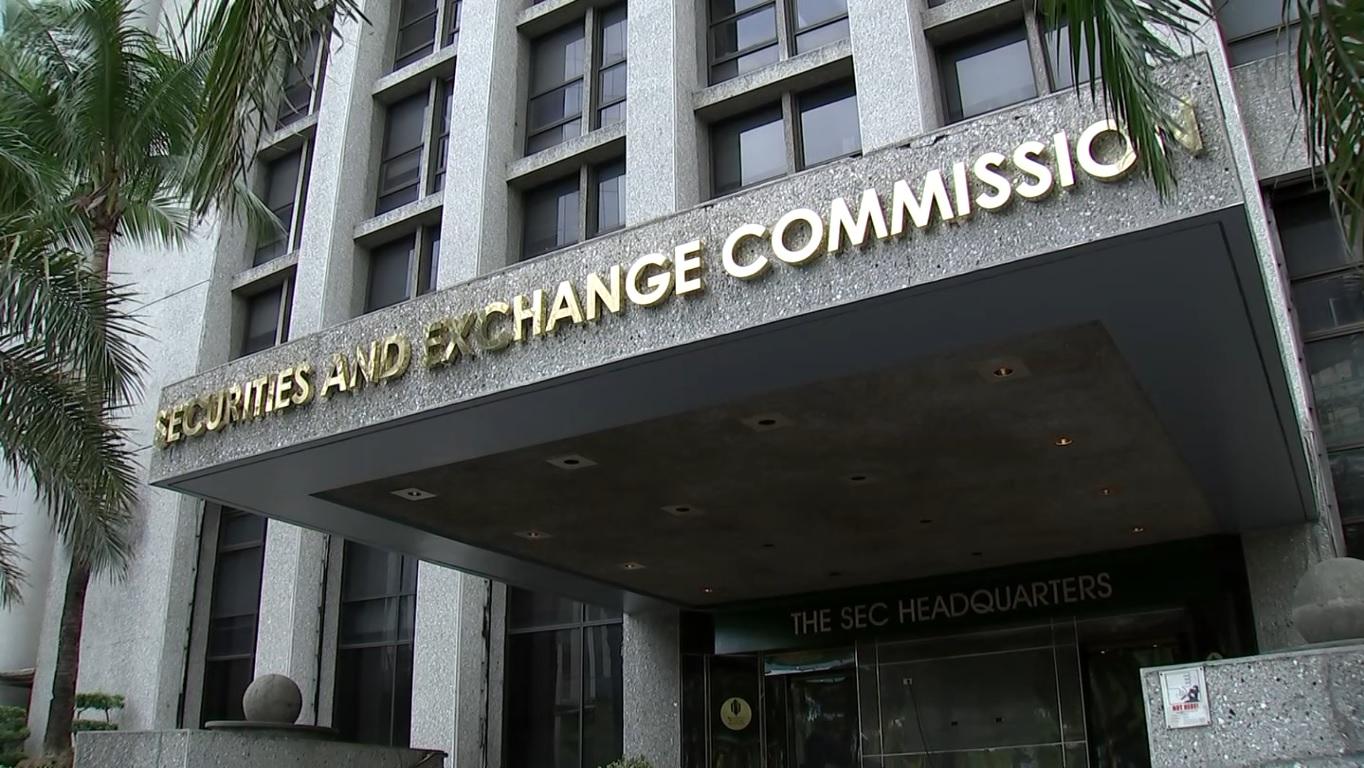
The Securities and Exchange Commission (SEC), the agency that oversees companies and the stock market in the Philippines, has made a big change that will affect all listed companies.
On Friday, the SEC announced that it is removing the rule that divides common shares into “Class A” and “Class B”. This rule was first made in 1973 to monitor the 40% foreign ownership limit in companies and to make sure foreigners did not own more than the allowed shares.
What Are Class A and B Shares?
-
Class A shares – Only Filipinos can own them.
-
Class B shares – Filipinos and foreigners can own them.
This system was meant to protect Filipino ownership of companies, but over time, it created unfair differences in price between Class A and Class B shares. It also caused problems and delays for traders and the Securities Clearing Corporation of the Philippines, which helps settle trades.
Why End the Rule Now?
The SEC says new technology in the Philippine Stock Exchange (PSE) can now track and enforce foreign ownership limits automatically. This means the old classification system is no longer needed.
In fact, the SEC had already ordered the declassification (removal of A and B labels) back in 1997, but only for new shares. Older shares that were already classified stayed that way—until now.
What Companies Must Do
Under SEC Memorandum Circular No. 10, Series of 2025, all listed companies that still have Class A and Class B shares must:
-
Change their Articles of Incorporation within one year to remove the classification.
-
Until the change is official, buyers must receive the exact type of share they bought—A or B—and cannot be forced to take a different one.
If Foreign Ownership Limits Are Broken
If a trade causes a foreigner to own more than what is allowed:
-
The foreign buyer, through their broker, must sell the excess shares immediately at the current market price.
-
The money from the sale will be returned to the foreign investor.
-
If the breach is found during trading hours, it must be fixed the same day. If it’s discovered after hours, it must be fixed the next trading day.
Penalties for Breaking the Rules
Anyone who violates the new rule after it takes effect can face penalties under the Securities Regulation Code (RA 8799), but only after proper notice and hearing.
The SEC says this change will make trading smoother, fairer, and faster while still protecting Filipino ownership rules.