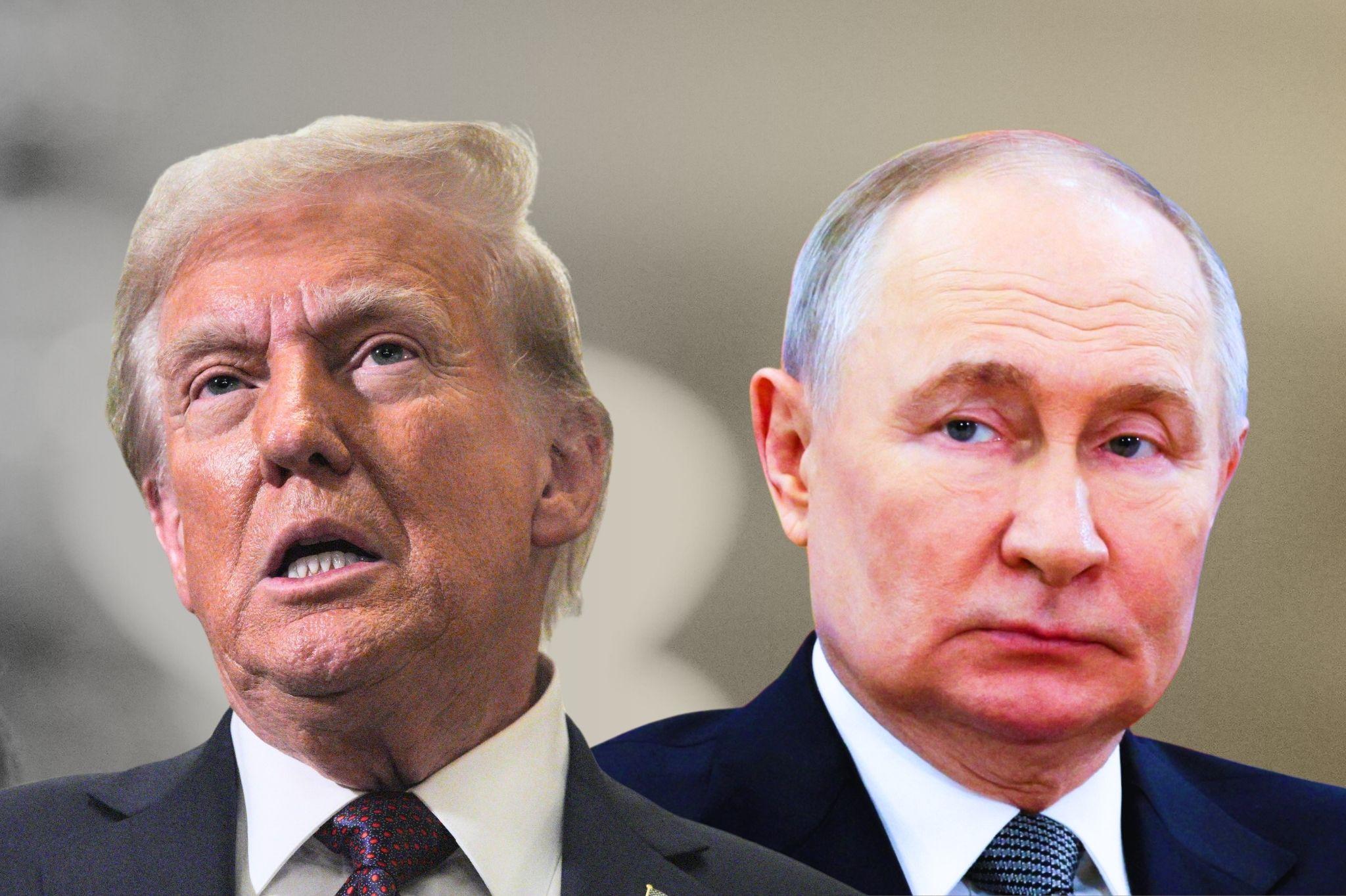
Moscow — Russian President Vladimir Putin stood his ground on Thursday (Friday, Philippine time), brushing off new sanctions from U.S. President Donald Trump that targeted Russia’s two biggest oil companies — a move that sent global oil prices soaring by 5%.
The sanctions, aimed at Rosneft and Lukoil, are the toughest economic measures yet from Washington, designed to choke off Moscow’s wartime revenues and pressure the Kremlin to end its invasion of Ukraine. Together, these companies account for over 5% of global oil output — making the move one of Trump’s most aggressive steps since the conflict began.
A Global Ripple Effect
The shockwaves were immediate.
According to trade sources, Chinese state oil firms have suspended Russian oil purchases for now, while India — the largest buyer of seaborne Russian crude — is preparing to sharply cut imports.
Just a week ago, Trump and Putin were expected to meet for a peace summit in Budapest. But the sanctions marked a sudden, dramatic U-turn — signaling that Trump has lost patience and is now ready to tighten the squeeze on Moscow’s finances.
“This is, of course, an attempt to put pressure on Russia,” Putin said defiantly. “But no self-respecting country ever decides anything under pressure.”
The Russian leader insisted the sanctions would barely dent the economy, warning instead that restricting Russia’s oil supply could backfire — pushing up prices and hurting nations like the United States.
War of Words and Strategies
Trump, meanwhile, confirmed that the planned summit with Putin was off — for now.
“We cancelled the meeting with President Putin — it just didn’t feel right,” Trump told reporters. “We’ll do it in the future, but it needs to be meaningful.”
White House Press Secretary Karoline Leavitt said the sanctions were “pretty hefty,” admitting the U.S. had urged India and Europe to join the pressure campaign by scaling back energy purchases from Moscow.
“It’s full court press for sure,” Leavitt said. “We expect these sanctions to do harm.”
The Department of Migrant Workers (DMW) and international observers say the sanctions could take time to hit hard — but their message is clear: Washington is no longer pulling its punches.
Europe Steps In — and Pushes Harder
In Brussels, European Union leaders joined Ukrainian President Volodymyr Zelenskyy in a meeting to discuss new funding and pressure measures. The EU has now approved its 19th package of sanctions, banning Russian liquefied natural gas (LNG) imports and targeting Chinese refiners and Central Asian banks involved in the trade.
Since 2022, the EU has cut its reliance on Russian energy by around 90%, but Moscow still earned more than €11 billion in energy revenues from Europe in the first eight months of this year.
For Zelenskyy, Trump’s sanctions were a “very important step” — but not enough.
“More pressure is needed to make Moscow agree to a ceasefire,” the Ukrainian leader said, urging allies to tighten the economic noose further.
Russia Holds Its Ground
Despite the global backlash, Putin remains unmoved.
He warned that any strikes deep into Russian territory by Ukrainian forces would provoke a “very serious, if not overwhelming” response.
At the same time, Moscow vowed a “painful response” if the West proceeds with plans to use frozen Russian assets to fund Ukraine’s defense and recovery — an idea that’s gaining momentum in Brussels.
Even as Russia’s oil and gas revenues fell 21% year-on-year, they still make up nearly a quarter of its national budget — the lifeline keeping the war machine running.
The Battle Beyond the Battlefield
Trump’s surprise sanctions signal a sharp turn in U.S. strategy — from diplomacy to direct economic warfare.
Putin’s defiance, however, shows that the road to peace remains long and uncertain.
As global oil prices climb and alliances shift, one thing is clear:
the battle between power and pressure has only just begun — and the world is watching every move.