


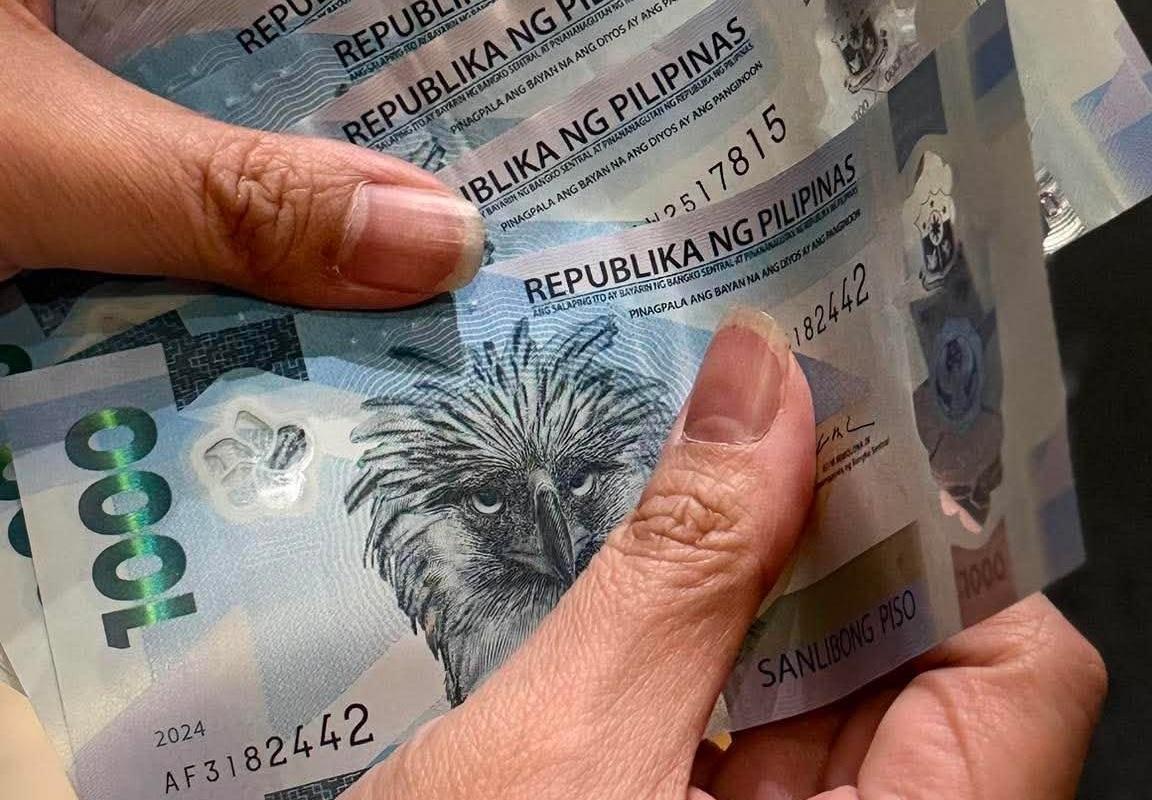
The Peso’s Struggle: A Story of Economic Turmoil
The Philippine peso has hit yet another low, marking its third consecutive day of decline against the US dollar. On Thursday, it plummeted to P63.06 for every dollar, breaking through the P63:$1 barrier and setting a new record low. This isn’t just a number; it’s a reflection of ongoing challenges that affect countless lives across the nation.
A Depressing Trend
Just imagine waking up to the news that your country’s currency has weakened yet again. The peso’s drop of 19 centavos from P62.87 on Wednesday isn’t just a statistic; it’s indicative of a troubling trend. This astonishing decline marks the 27th time this year that the peso has set a record low—surpassing even its previous low of P62.9 from October 8, 2026.
Economic Woes
Why is this happening? Economists like Jonathan Ravelas from Reyes Tacandong & Co. describe it as a “series of unfortunate events.” But what does that mean for everyday Filipinos? It’s a complicated web of factors that include an increased likelihood of interest rate hikes in the United States. With the Federal Open Market Committee (FOMC) meeting next week to discuss policy rates, the ripple effects are hitting home.
With US inflation rates rising to 3.7% in September—and core inflation at 2.6%—the stakes have never been higher. This drives up the probability of an interest rate hike by the Federal Reserve, causing the dollar to strengthen against the peso. As a result, the value of remittances, savings, and consumer purchasing power hangs in the balance.
The Local Landscape
On the local front, the Bangko Sentral ng Pilipinas is scheduled to convene on October 22 to evaluate the current economic climate and determine if changes to monetary policy are necessary. So far this year, interest rates have risen by a cumulative 75 basis points, raising the target reverse repurchase rate to 5.0%. These decisions impact loans, mortgages, and savings rates—affecting families and businesses alike.
A Bleak Picture
What’s worse, the gross international reserves (GIR)—the country’s financial buffer for settling debts and handling imports—have dwindled to $99.996 billion, the lowest it’s been in three years. You can almost feel the tension when you consider that this drop shadows even the previous low of $98.116 billion observed in September 2023.
Geopolitical Shadows
Michael Ricafort, chief economist at Rizal Commercial Banking Corp. (RCBC), paints another grim picture. He points to geopolitical risks, notably the escalating conflicts from Russia to the Middle East. These hostilities threaten global oil and energy supplies, stirring fear in a world already on edge.
The Silver Lining?
Despite these challenges, there have been indications of possible government intervention as the peso approached the P63.10-P63.15 range against the dollar. Authorities seem to be responding to keep the peso from tumbling further, but the question remains: how far will intervention go in the face of ongoing economic pressures?
A Call to Awareness
These fluctuating numbers and uncertainties may feel distant, but they have tangible effects on families and businesses throughout the Philippines. As the peso struggles to find its footing, it’s essential to stay informed and aware of the economic landscape that shapes our daily lives.
In a world where every cent counts, we must remain resilient and vigilant as we navigate these turbulent times together. Who knows what the next report will bring? As we keep a close watch, let’s remember that in tough times, our collective strength can steer us toward a brighter future.