


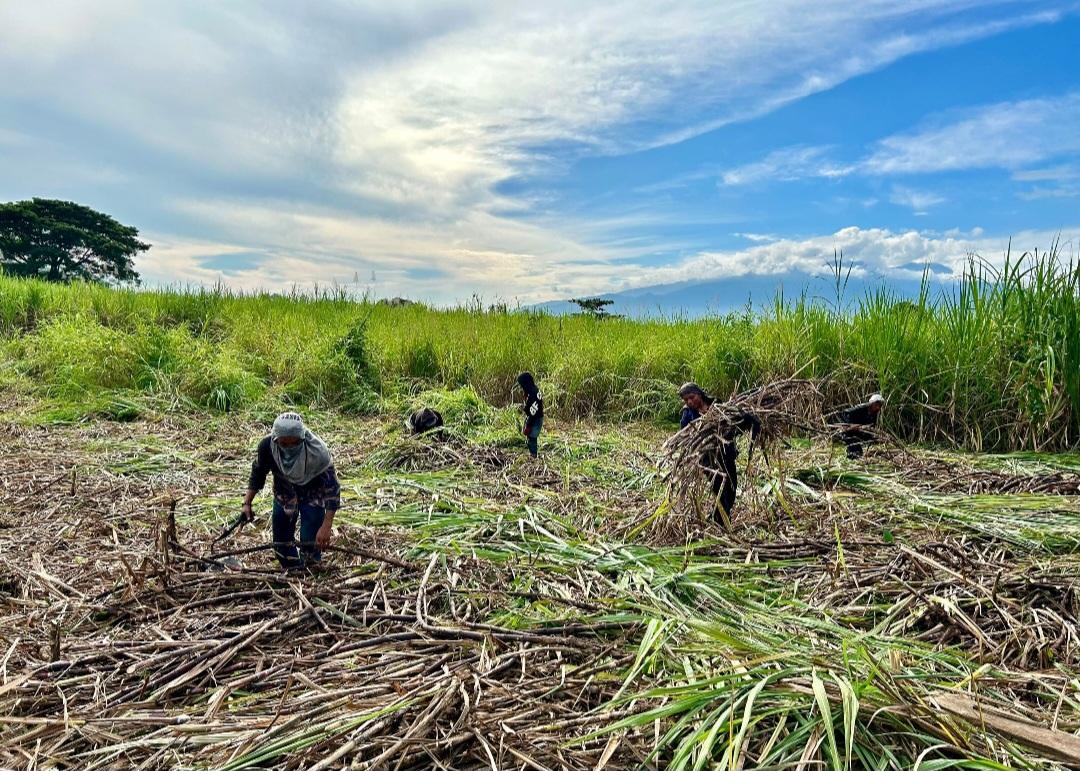
The Sweet Struggles of the Sugar Industry: Navigating Tough Times Together
In a heartfelt announcement this Tuesday, the Department of Agriculture (DA) shined a light on the dire circumstances facing our nation’s sugar industry. As we enter a challenging milling season, the situation for farmers has taken a worrying turn. Weak production levels, soaring farm costs, the looming threat of El Niño, and persistent pest infestations are creating a storm that is putting livelihoods and investments at risk—especially for those who pour their heart and soul into every crop.
The Sugar Regulatory Administration (SRA) Board has raised a red flag about the situation. Low cane tonnage and diminished sugar yields are symptoms of a deeper crisis. The combination of escalating fuel prices, high input costs, and the pesky red soft scale insect (RSSI) infestation is undermining productivity just as the 2026-2027 milling season hits its stride.
But it’s not just the farms and mills that are feeling the pinch; the economic ripple effects stretch far and wide. In Negros Occidental, the country’s powerhouse for sugar production, the industry supports thousands of families and is integral to the local economy. Without immediate intervention, this community stands to lose not only its livelihood but its very foundation.
Adding to the complexity is the ongoing conflict in Iran, which has further strained production costs. Many farmers now find themselves at a crossroads, uncertain whether this season’s efforts will generate enough returns to cover their expenses. This predicament could dissuade future investments, potentially deepening the already pressing supply issues within the industry.
Mitzi Mangwag, a dedicated representative of both millers and farmers, voiced her concerns. “Our mills have invested billions of pesos in modernization,” she said, emphasizing that these operations depend heavily on consistent cane deliveries to recoup those investments. “Any drop in sugarcane production is bad news for our farmers and millers alike, especially at such a critical time.”
Dave Sanson, another representative advocating for farmers, echoed these sentiments. The mounting input costs could leave growers unable to afford essential fertilizers and resources necessary to sustain their farms. “We must do everything we can to ensure the survival of our farmers and millers,” he stressed.
In response, Agriculture Secretary Francisco Tiu Laurel Jr. assured the public that the DA is ready to take decisive action. “We cannot allow our farmers to shoulder these challenges alone,” he declared. The government is prepared to step in with assistance, including strategies to manage the RSSI infestation and protect farmers’ incomes.
SRA Administrator Pablo Luis Azcona shared similar sentiments, highlighting the need for balance. “We must find a sustainable farmgate price for growers while ensuring adequate supply and making sugar affordable for households and food manufacturers,” he explained. Azcona underscored the importance of ongoing dialogue among farmers, millers, traders, and policymakers to forge a path toward a more stable industry.
The DA is also actively seeking additional funding from the national government, collaborating with the SRA to mitigate the effects of El Niño and the RSSI. The stakes couldn’t be higher: declining sugar production jeopardizes not only the value chain but also the economies of communities deeply reliant on this vital industry.
As we navigate these turbulent waters, it’s clear that unity and collective effort are our best strategies for persevering. Together, we can face this challenge head-on, ensuring that the sweet legacy of our sugar industry continues to thrive for generations to come.