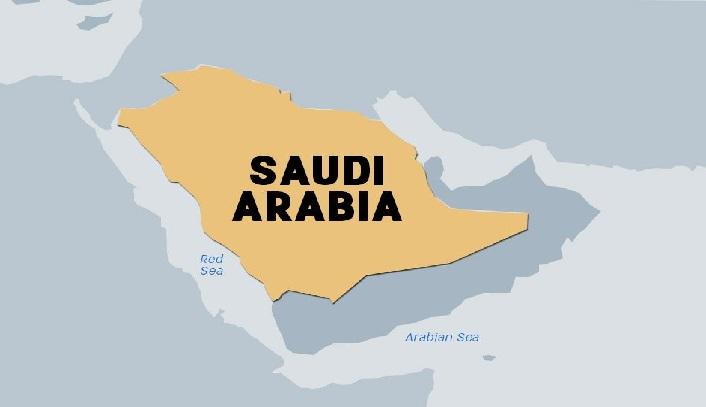

MANILA — The Philippines is ramping up efforts to welcome more Saudi travelers as part of its push to capture a bigger share of the Middle East travel market, the Department of Tourism (DOT) announced Thursday.
Earlier this month, DOT officials held high-level meetings with Saudia Airlines and Riyadh Air, exploring ways to expand air connectivity and launch joint tourism promotions.
“Our shared values of hospitality, family, and faith make the Philippines a natural destination of choice for Saudi travelers,” Tourism Secretary Christina Frasco said.
“With enhanced air connectivity, we aim to bring the beauty and warmth of our islands even closer to the Saudi people,” she added.
During the 26th UN Tourism General Assembly in Riyadh from November 7 to 11, DOT representatives met with Saudia Airlines General Manager Abdulrahman Alabdulwahab and Riyadh Air Vice President Wolfgang Reuss to discuss partnership opportunities.
Frasco, currently leading relief operations in Typhoon Tino-hit Negros Occidental, was represented by DOT Undersecretary Verna Buensuceso, who conveyed instructions to enhance accessibility and forge stronger tourism collaboration between the Philippines and Saudi Arabia.
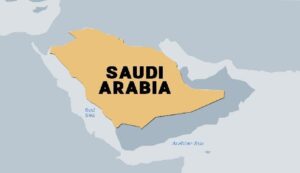
Currently, two direct flights link the two countries: Riyadh–Manila and Jeddah–Manila. But the DOT is exploring options to increase flight frequency and make travel even more convenient.
“The Philippines continues to gain ground among Saudi travelers,” Frasco said.
She highlighted the country’s warm hospitality, competitive value, English-speaking service culture, and growing Halal-friendly tourism infrastructure. Saudi nationals enjoy visa-free entry for up to 30 days, making travel simpler and more accessible.
Saudi Arabia is now one of the fastest-growing outbound tourism markets in the world, driven by a young, affluent population with high disposable income. In 2024, tourism receipts from Saudi visitors reached USD 37.86 million, a 46% increase from the previous year.
Popular destinations for Saudi tourists include Cebu, Boracay, Pampanga, Palawan, and Cavite, reflecting a preference for premium, family-friendly beach and resort experiences.
To cater to Muslim travelers, the DOT has expanded Halal-certified dining establishments, partnered with hotel chains like Megaworld Hotels and Resorts to develop Muslim-friendly properties, and launched Marhaba Boracay, the country’s first Muslim-friendly beach cove.
Even airlines are adapting: AirAsia Philippines now offers Halal-certified meals on all routes, making travel more comfortable for Muslim visitors.
With these initiatives, the Philippines is not just opening its doors—it’s creating a welcoming, inclusive experience for Saudi tourists and Muslim travelers from around the world, cementing its place as a top Middle East destination.