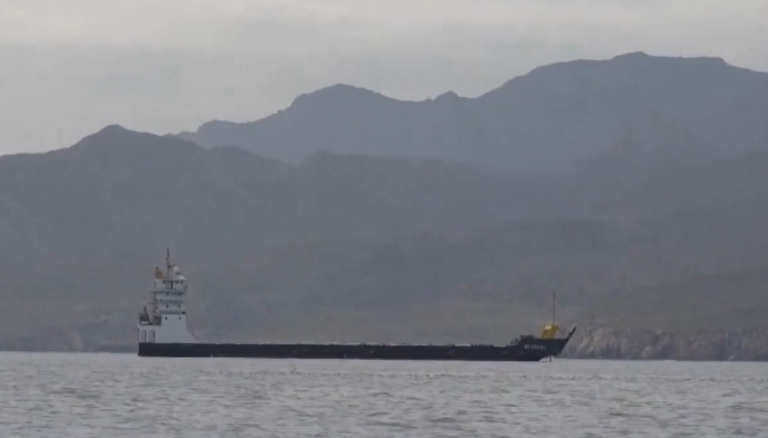
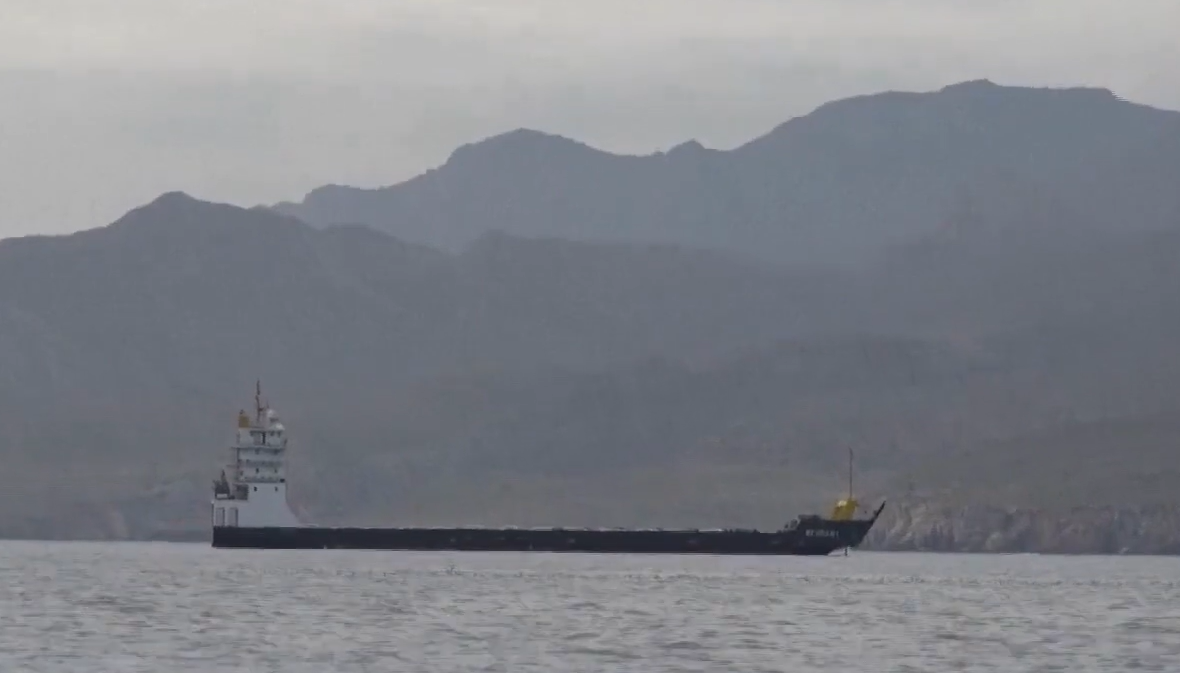
Tension is rising… but for now, there is reassurance.
Amid growing fears of conflict in the Middle East, one question hangs heavy:
Are Filipino ships safe?
On Monday, the Department of Foreign Affairs gave a clear answer—
yes.
Philippine-flagged vessels are still assured safe passage through the Strait of Hormuz… despite threats of a looming blockade.
A pause.
A breath of relief.
Foreign Affairs Secretary Ma. Theresa Lazaro confirmed that the Philippines’ agreement with Iran remains intact—unchanged, steady, and respected.
“The agreement… will remain the same,” she said.
Even as tensions escalate, communication continues.
Just days ago, Lazaro revealed that the Iranian ambassador personally reached out—discussing two to three Philippine vessels expected to pass through the strait.
And the message was consistent.
They will pass safely.
No disruption.
No delay.
Earlier assurances from Iran still stand—Philippine ships, energy cargo, and Filipino seafarers will be allowed to move freely through one of the world’s most critical waterways.
A vital promise… in a very fragile moment.
Because beyond the headlines, the Strait of Hormuz is no ordinary route.
It carries nearly 20% of the world’s oil supply—a narrow passage where any disruption can ripple across the globe.
And now, that ripple is growing.
After failed peace talks with Iran, former US President Donald Trump announced a bold and controversial move—
A blockade.
“Effective immediately,” he said, the US Navy would begin stopping ships entering or leaving the strait.
A strong statement.
One that raised alarms worldwide.
The plan includes intercepting vessels, clearing alleged mines, and tightening control over international waters.
All of it… putting global energy supply at risk.
And when global oil is at risk—
countries feel it.
The Philippines included.
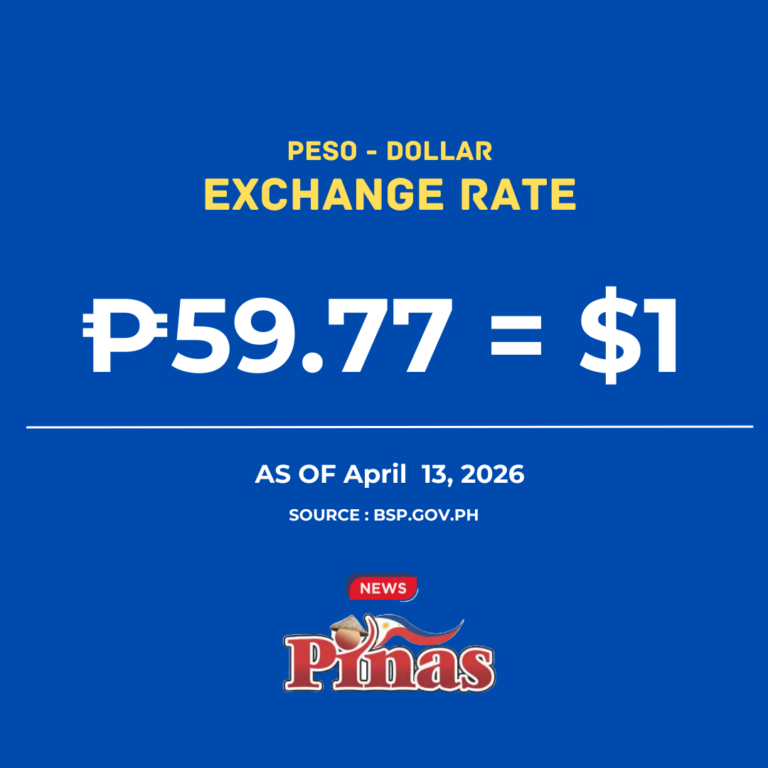
In recent weeks, fuel prices have surged, hitting everyday Filipinos where it hurts most.
Transport.
Food.
Daily life.
But just as uncertainty peaks… a shift.
President Ferdinand “Bongbong” Marcos Jr. announced something unexpected—
A major fuel rollback.
Starting Tuesday, April 14:
Diesel prices drop by more than P20 per liter.
Gasoline falls by P4.43 per liter.
Kerosene goes down by P8.50 per liter.
A rare moment of relief.
So while the world watches the Strait of Hormuz with caution…
for now, Filipino vessels move forward—safe, steady, and protected.
But the question still lingers:
How long will that safety hold?