


The Philippines is making a strong push to bring back one of its most loyal visitors.
For decades, South Korean tourists have filled the country’s beaches, dive spots, and island resorts. Their presence has helped fuel the tourism industry—from bustling hotels in Boracay to island tours in Bohol.
But when the pandemic halted global travel, that steady flow suddenly slowed.
Now, the Philippine government wants them back.
And it is stepping up its efforts to make that happen.
Winning Back Korean Travelers
The Department of Tourism (DOT) announced Thursday that it is intensifying its marketing campaign to accelerate the return of South Korean tourists.
So far, the recovery has been encouraging.
Tourist arrivals from South Korea have already reached more than 60 percent of pre-pandemic levels in 2019.
But officials believe the number can grow even more.
To make that happen, the DOT’s South Korea office is rolling out a stronger and more aggressive marketing strategy.
This includes:
-
Joint promotions with airlines
-
Partnerships with major travel agencies
-
Outdoor advertising campaigns in cities
-
Targeted digital promotions online
The goal is simple: remind Korean travelers why the Philippines remains one of their favorite destinations.
A Special Relationship
Tourism Secretary Christina Frasco said the connection between the Philippines and South Korea runs deeper than tourism.
“South Korea remains one of the Philippines’ most vital and valued tourism markets,” Frasco said.
She noted that the bond between the two countries is built on shared history, cultural exchanges, and decades of friendship.
And every year, millions of Korean travelers have shown that connection in a simple way—by choosing the Philippines for their vacations.
“They appreciate our pristine beaches, world-class dive sites, vibrant festivals, and the warmth and hospitality of the Filipino people,” Frasco said.
That appreciation, she added, has played a major role in strengthening the country’s tourism industry.
Big Promotions and Travel Deals
To attract even more visitors, the DOT is working closely with major airlines and 15 large South Korean travel agencies.
Together, they are launching discounted airfare deals and special travel packages aimed at some of the Philippines’ top destinations.
These include:
-
Manila
-
Cebu
-
Bohol
-
Boracay
-
Clark
The tourism department is also preparing to showcase the Philippines in major travel events in South Korea.
Among them are the Seoul International Travel Fair (SITF) and the Korea International Boat Show (KIBS).
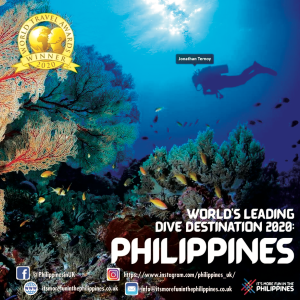
There will also be participation in underwater sports exhibitions—highlighting the country’s famous diving and marine adventures.
Experiential Tourism Takes Center Stage
Beyond traditional beach holidays, the government is also focusing on experiential tourism.
This approach encourages visitors to immerse themselves in local culture, nature, and activities rather than simply sightseeing.
It’s a priority under the Marcos administration’s tourism strategy.
One destination leading the way is Bohol.
Known for its crystal-clear waters, the island has become especially popular among Korean travelers for island hopping, snorkeling, and resort stays.
Travelers are also showing growing interest in multi-destination trips, linking Bohol with nearby hotspots like Cebu or Manila.
More Than Just Beaches
The Philippines is also expanding its tourism offerings beyond leisure travel.
In Clark, golf tourism is gaining attention among Korean visitors.
The country is also promoting:
-
English as a Second Language (ESL) programs
-
Long-stay visits
-
Educational travel opportunities
These options aim to attract visitors who want more than a short vacation.
The Numbers Tell the Story
South Korea remains the Philippines’ largest tourism market.
Last year alone, 1,346,301 South Koreans visited the country.
That accounted for 20.76 percent of all international arrivals.
The number is higher than visitors from the United States, Japan, Australia, and Canada.
Despite the pandemic slowdown, the market has shown remarkable resilience.
According to the DOT, Korean tourism has already recovered to 62.9 percent of its 2019 level.
A Growing Appreciation
During South Korean President Lee Jae Myung’s recent state visit to the Philippines, President Ferdinand Marcos Jr. acknowledged the deepening relationship between the two countries.
He pointed out that Koreans have developed a growing love for the Philippines—not just its destinations.
But also its culture.
“It is also my pleasure to note the growing appreciation of Koreans for the Philippines, our world-renowned mangoes, the beauty of our tourist destinations, and most importantly, the exceptional talent and hospitality of Filipinos,” Marcos said.
Looking Ahead
For the Philippines, tourism is more than an industry.
It is a lifeline for thousands of businesses, communities, and workers across the country.
And as the nation works to rebuild after the pandemic, South Korean travelers remain a key part of that recovery story.
The message from the Philippines is clear:
The beaches are ready.
The islands are waiting.
And the country is eager to welcome its Korean friends back once again.